

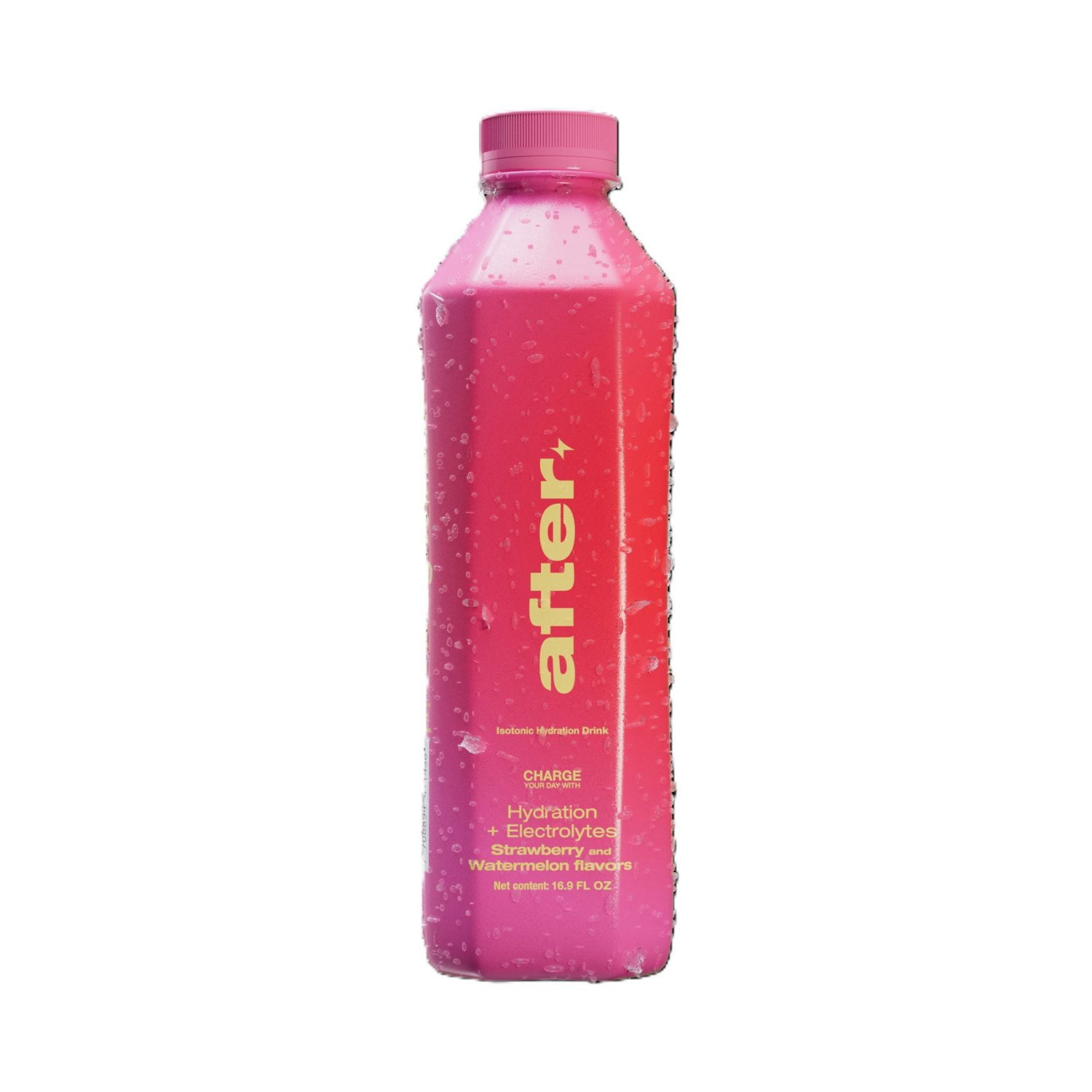

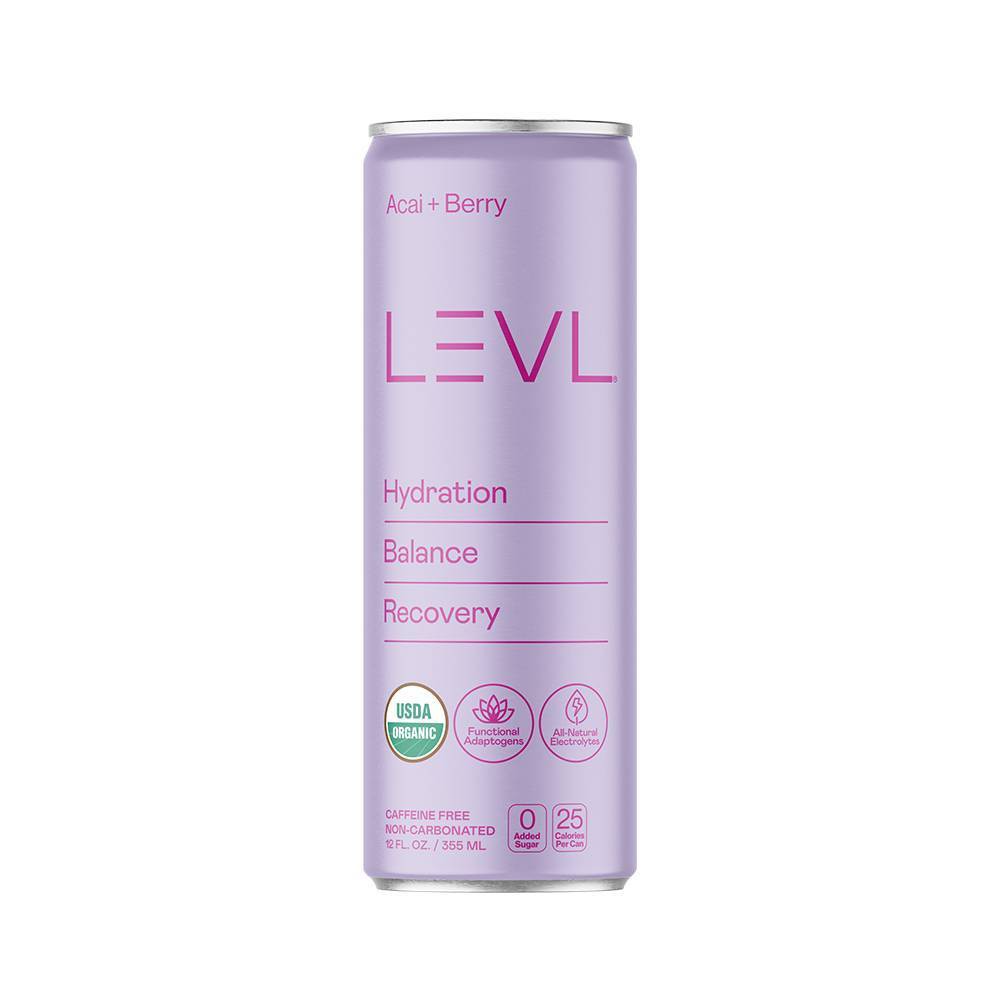

At a glance
Summary
This beverage contains added sugars and caramelized sugar syrup, which contribute to its caloric content without providing nutritional benefits. While it includes beneficial vitamins and minerals, the presence of natural flavors and the level of processing limit its overall healthiness. The use of stevia as a sweetener is a positive aspect, but the product's processed nature and added sugars prevent it from scoring higher.
Key ingredients 14
Carrot ConcentrateGood
Carrot concentrate is used for natural coloring and may provide some antioxidants. It is a minimally processed ingredient derived from carrots. It can contribute to the intake of beta-carotene, a precursor to vitamin A.
Benefits
Provides antioxidants and beta-carotene, which support eye health and immune function.
Magnesium CarbonateGood
Magnesium carbonate is used as a mineral supplement to provide magnesium, an essential nutrient. It is a processed form of magnesium that is bioavailable. Magnesium supports muscle and nerve function and bone health.
Risks
Excessive intake can lead to digestive issues such as diarrhea.
Benefits
Supports muscle and nerve function, bone health, and energy production.
NiacinGood
Niacin is a B vitamin added to support energy metabolism and overall health. It is essential for converting food into energy and maintaining healthy skin and nerves. It is often added to fortify foods and beverages.
Risks
Excessive intake can cause flushing and liver damage.
Benefits
Supports energy metabolism and contributes to healthy skin and nerve function.
Pantothenic AcidGood
Pantothenic acid is a B vitamin that plays a role in energy production and the synthesis of hormones. It is essential for the metabolism of carbohydrates, proteins, and fats. It is commonly added to fortified foods.
Benefits
Supports energy production and hormone synthesis.
ThiamineGood
Thiamine, or vitamin B1, is essential for energy metabolism and nerve function. It is often added to foods to prevent deficiencies. It plays a crucial role in converting carbohydrates into energy.
Benefits
Supports energy metabolism and nerve function.
Vitamin B6Good
Vitamin B6 is important for protein metabolism and cognitive development. It is added to support brain health and immune function. It is essential for the synthesis of neurotransmitters.
Risks
Excessive intake can lead to nerve damage.
Benefits
Supports brain health, immune function, and protein metabolism.
Vitamin B12Good
Vitamin B12 is essential for nerve function and the production of red blood cells. It is added to support energy levels and prevent anemia. It is crucial for DNA synthesis and neurological health.
Benefits
Supports nerve function, energy levels, and red blood cell production.
WaterNeutral
Water is a neutral ingredient that serves as the base for the beverage. It is essential for hydration but does not provide additional nutritional benefits. The quality of water can vary based on source and treatment.
See more about Water →Citric AcidNeutral
Citric acid is used as an acidulant to enhance flavor and preserve the product. It is naturally found in citrus fruits but is often industrially produced. It is generally recognized as safe when consumed in typical amounts.
Risks
Excessive consumption may lead to dental erosion.
Steviol GlycosidesNeutral
Steviol glycosides are natural sweeteners derived from the stevia plant. They provide sweetness without calories and are considered safe for consumption. They are a good alternative to artificial sweeteners.
Benefits
Provides sweetness without adding calories, suitable for reducing sugar intake.
Folic AcidNeutral
Standard formulation ingredient — neither beneficial nor harmful at typical use.
Risks
Excessive intake can mask vitamin B12 deficiency.
Benefits
Supports DNA synthesis, cell division, and red blood cell production.
SugarBad
Sugar is classified as bad due to its contribution to added sugars in the diet, which can lead to health issues like obesity and diabetes. It is a processed ingredient with no essential nutrients. Excessive consumption can lead to metabolic disorders.
Risks
High intake of added sugars can increase the risk of chronic diseases such as type 2 diabetes and heart disease.
Caramelized Sugar SyrupBad
Caramelized sugar syrup is a processed ingredient used for flavor and color. It is high in added sugars, contributing to caloric intake without nutritional benefits. Overconsumption can lead to weight gain and metabolic issues.
Risks
High in added sugars, which can contribute to obesity and metabolic syndrome.
Natural FlavorBad
Natural flavor is a vague term that can include a variety of substances derived from natural sources. It lacks transparency and can mask the presence of additives. It is often used to enhance taste without providing nutritional value.
Risks
May contain undisclosed additives or allergens.
Processing
Processed Foods
Get the full breakdown in the Scout appTake Scout shopping
Scan any product to see lab results, healthy alternatives, and your personalized analysis.
Download on theApp Store GET IT ONGoogle Play