
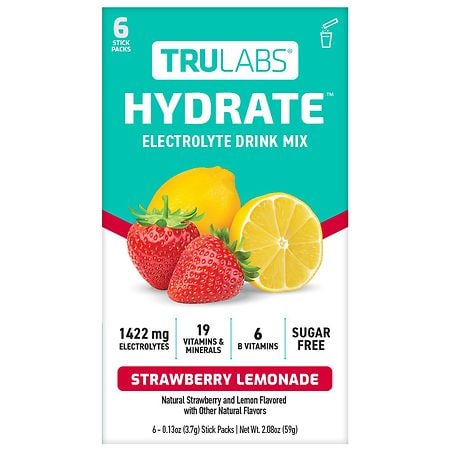
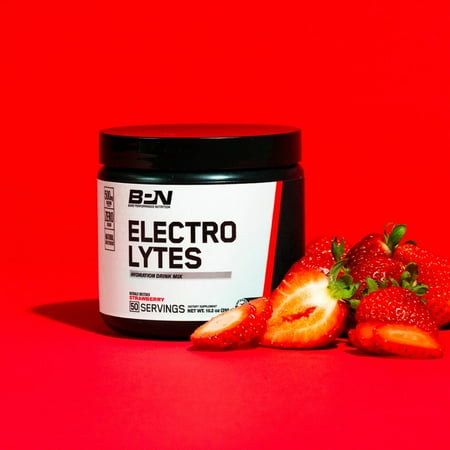
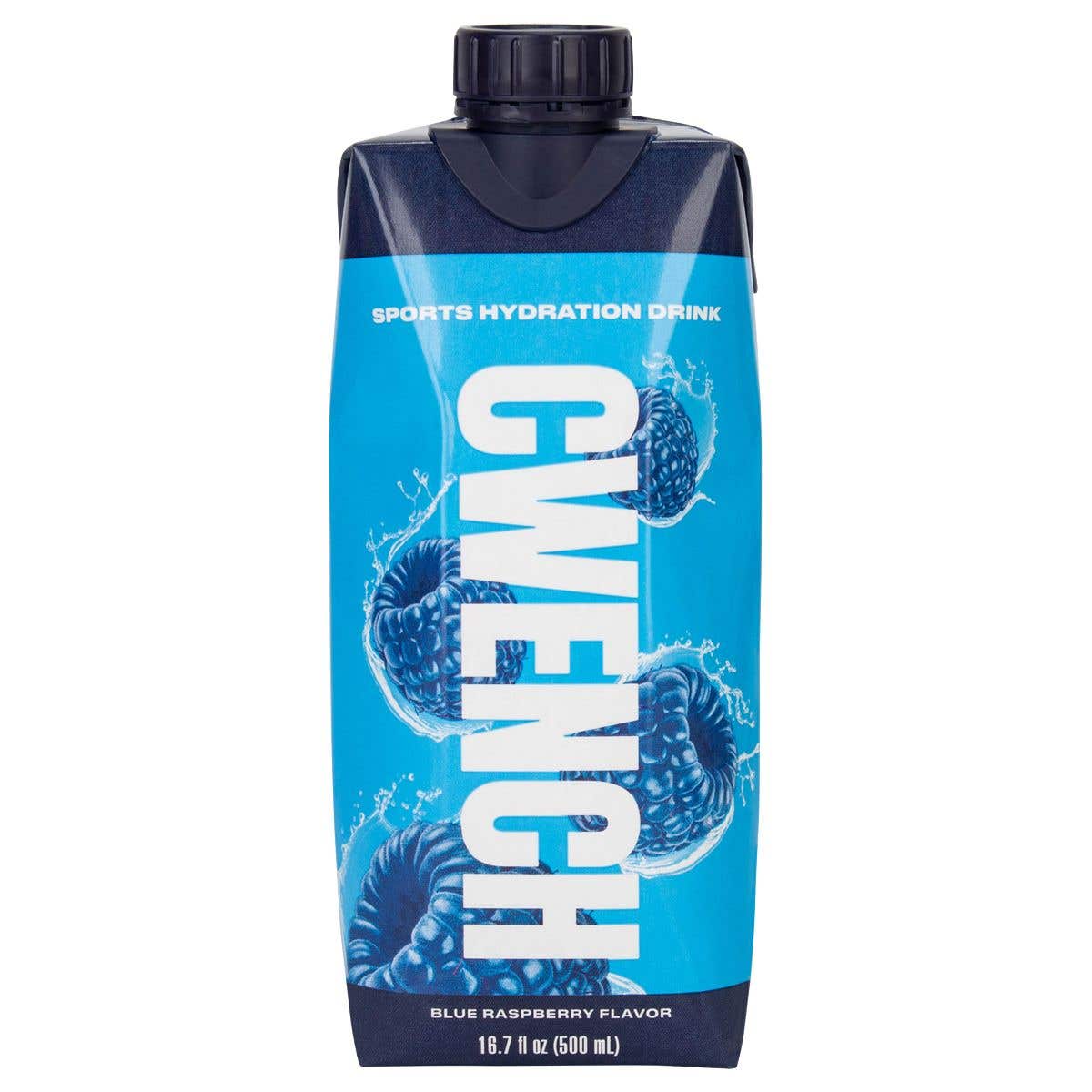
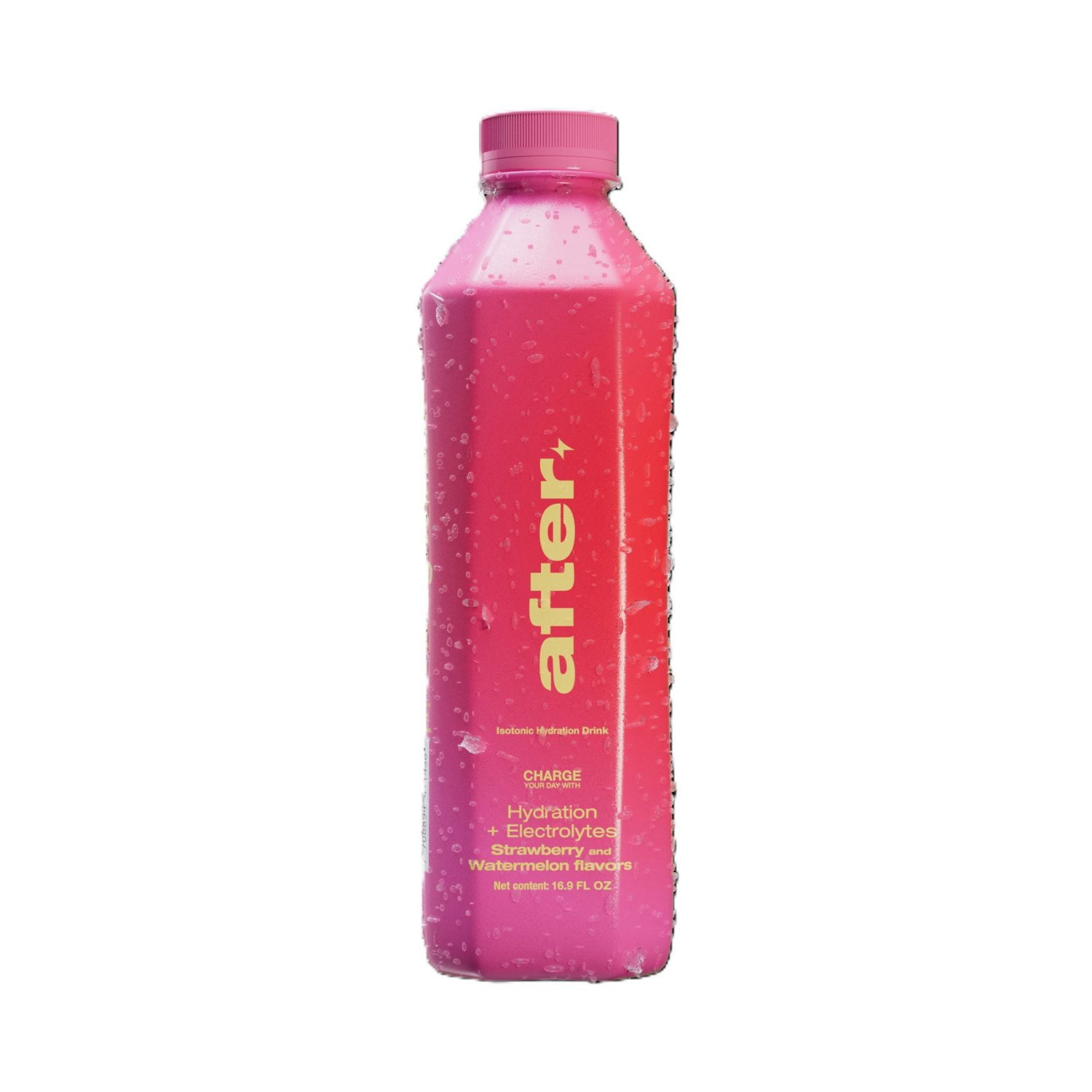

TruLabs Hydrate Sports Drink - Strawberry Lemonade - 0.78oz/6ct: Non-Caffeinated, Powdered, Drink Mixes and Enhancers
Analysis updated August 2026 · How Scout scores
At a glance
Summary
This sports drink mix contains beneficial ingredients like potassium citrate, calcium citrate, and magnesium glycinate, which support electrolyte balance and muscle function. However, the presence of sucralose, an artificial sweetener, and natural flavors, which lack transparency, are concerning. The product is moderately processed, which limits its score despite the inclusion of several vitamins and minerals.
Key ingredients 15
Potassium CitrateGood
Potassium citrate is used to regulate acidity and provide potassium, an essential mineral. It is synthetically produced for food and medical use. It helps in maintaining electrolyte balance and preventing kidney stones.
Risks
Excessive intake can lead to hyperkalemia, affecting heart function.
Benefits
Potassium citrate supports heart health and muscle function.
Calcium CitrateGood
Calcium citrate is a calcium salt used to fortify foods and improve bone health. It is more easily absorbed than other calcium forms. It is beneficial for individuals with low stomach acid.
Risks
Excessive calcium intake can lead to kidney stones.
Benefits
Supports bone health and prevents osteoporosis.
Beetroot For ColorGood
Beetroot is used as a natural colorant and is rich in nitrates. It is minimally processed to retain its natural properties. It can improve blood flow and reduce blood pressure.
Benefits
Rich in antioxidants and supports cardiovascular health.
Magnesium GlycinateGood
Magnesium glycinate is a highly absorbable form of magnesium used to support muscle and nerve function. It is gentle on the stomach compared to other forms. It is beneficial for reducing muscle cramps and improving sleep quality.
Risks
Excessive intake can cause diarrhea and abdominal discomfort.
Benefits
Supports muscle relaxation and reduces anxiety.
Fruit And Vegetable Extract For ColorGood
These extracts are used as natural colorants and are derived from whole foods. They are minimally processed to retain their natural pigments. They provide antioxidants and phytochemicals.
Benefits
Contributes to antioxidant intake and supports overall health.
Ascorbic AcidGood
Ascorbic acid, or vitamin C, is an essential nutrient and antioxidant. It is synthetically produced for food fortification. It supports immune function and collagen synthesis.
Risks
High doses can cause gastrointestinal disturbances.
Benefits
Boosts immune health and enhances iron absorption.
CholecalciferolGood
Cholecalciferol, or vitamin D3, is crucial for calcium absorption and bone health. It is often derived from lanolin or fish oil. It helps prevent bone disorders and supports immune function.
Risks
Excessive intake can lead to hypercalcemia.
Benefits
Supports bone health and immune system function.
NiacinGood
Niacin, or vitamin B3, is essential for energy metabolism and DNA repair. It is added to foods to prevent deficiencies. It can improve cholesterol levels and support brain health.
Risks
High doses can cause skin flushing and liver damage.
Benefits
Supports energy production and cardiovascular health.
Zinc Amino Acid ChelateGood
Zinc amino acid chelate is a highly bioavailable form of zinc used to support immune function. It is chelated to improve absorption. It is essential for wound healing and DNA synthesis.
Risks
Excessive zinc intake can interfere with copper absorption.
Benefits
Boosts immune health and supports skin integrity.
Iron Amino Acid ChelateGood
Iron amino acid chelate is a form of iron that is easily absorbed and gentle on the stomach. It is used to prevent and treat iron deficiency anemia. It is crucial for oxygen transport and energy production.
Risks
Excessive iron intake can cause gastrointestinal issues and toxicity.
Benefits
Supports red blood cell production and prevents anemia.
SaltNeutral
Salt is essential for maintaining fluid balance and nerve function. It is processed to remove impurities and is a common ingredient in hydration products. However, excessive intake can lead to hypertension.
Risks
High sodium intake can increase blood pressure and risk of cardiovascular diseases.
Benefits
Salt helps in maintaining electrolyte balance, especially during intense physical activities.
Malic AcidNeutral
Malic acid is a naturally occurring acid found in fruits, used to enhance flavor. It is synthetically produced for food applications. It is generally recognized as safe when consumed in typical amounts.
Risks
Excessive consumption may cause digestive discomfort.
Benefits
Malic acid can improve energy production and reduce muscle fatigue.
Citric AcidNeutral
Citric acid is a natural preservative and flavor enhancer found in citrus fruits. It is industrially produced for use in food and beverages. It is safe for consumption in moderate amounts.
Risks
High intake may lead to dental erosion.
Benefits
Citric acid can enhance mineral absorption and has antioxidant properties.
Natural FlavorBad
Natural flavors are used to enhance taste but lack transparency in their composition. They are processed and can contain numerous compounds. The lack of disclosure can be concerning for those with allergies or sensitivities.
Risks
Potential allergen exposure due to undisclosed ingredients.
SucraloseBad
Sucralose is an artificial sweetener used to provide sweetness without calories. It is chemically altered to be non-caloric. Concerns exist about its effects on gut health and insulin response.
Risks
May alter gut microbiota and affect insulin sensitivity.
Benefits
Provides sweetness without adding calories, beneficial for weight management.
Processing
Processed Foods
Get the full breakdown in the Scout appTake Scout shopping
Scan any product to see lab results, healthy alternatives, and your personalized analysis.
Download on theApp Store GET IT ONGoogle Play