
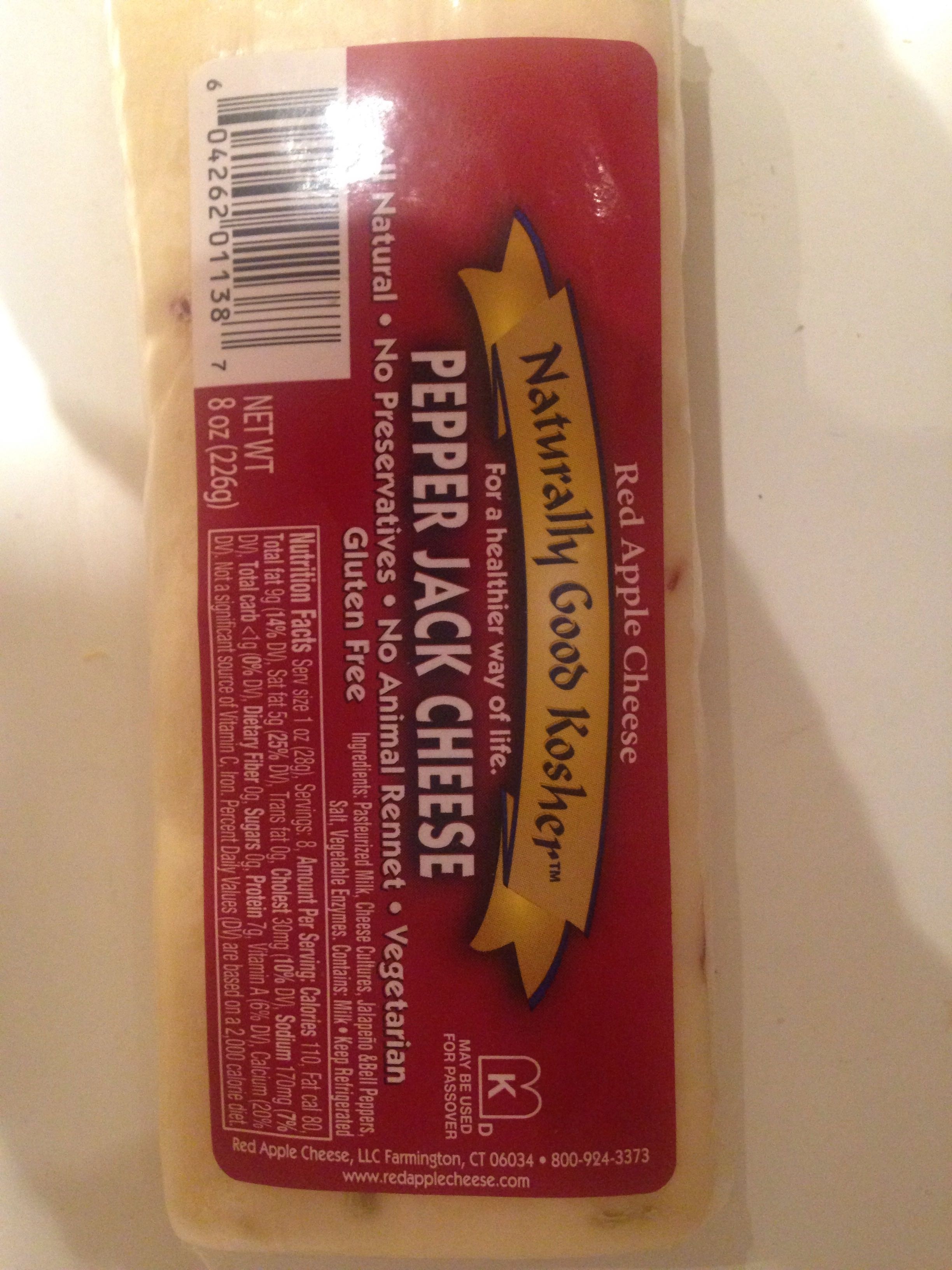


PEPPER JACK CHEESE, PEPPER JACK
Analysis updated September 2026 · How Scout scores
At a glance
Summary
This Pepper Jack cheese is made from pasteurized milk, cheese cultures, jalapeno and bell peppers, salt, and vegetable enzymes, which are all recognizable and traditional ingredients for cheese. The product is processed but maintains a clean label without artificial additives or seed oils, allowing it to score well within its category. The presence of beneficial cheese cultures and the absence of harmful substances contribute positively to its rating.
Key ingredients 5
Cheese culturesGood
Cheese cultures are beneficial bacteria used in the fermentation process of cheese, enhancing flavor and texture. They contribute to the development of probiotics, which can support gut health. The use of cheese cultures is a traditional method that improves the nutritional profile of cheese.
Benefits
May support gut health by contributing to the probiotic content of the cheese.
Pasteurized milkNeutral
Pasteurized milk is a common base for cheese, providing essential nutrients like calcium and protein. The pasteurization process kills harmful bacteria but may also reduce some beneficial enzymes. It is a standard ingredient in cheese production, offering a neutral health impact.
Benefits
Provides essential nutrients such as calcium and protein, which are important for bone health and muscle function.
Jalapeno & bell peppersNeutral
Jalapeno and bell peppers add flavor and a slight nutritional boost to the cheese. They provide vitamins such as vitamin C and antioxidants but are present in small quantities. Their inclusion is primarily for flavor enhancement rather than nutritional impact.
Benefits
Adds flavor and a small amount of vitamins and antioxidants to the cheese.
SaltNeutral
Salt is used in cheese for flavor and as a preservative. It is a necessary component in cheese making but should be consumed in moderation due to potential health impacts of high sodium intake. In this context, it serves a functional role without significant health benefits.
Risks
Excessive consumption of salt can lead to high blood pressure and other cardiovascular issues.
Benefits
Enhances flavor and acts as a preservative in cheese.
Vegetable enzymesNeutral
Vegetable enzymes are used in cheese making to aid in the coagulation process. They are a vegetarian alternative to animal rennet and do not significantly impact the nutritional profile of the cheese. Their use is primarily functional, ensuring proper cheese texture.
Benefits
Provides a vegetarian-friendly option for cheese coagulation without altering the nutritional content.
Processing
Processed Foods
Get the full breakdown in the Scout appTake Scout shopping
Scan any product to see lab results, healthy alternatives, and your personalized analysis.
Download on theApp Store GET IT ONGoogle Play