


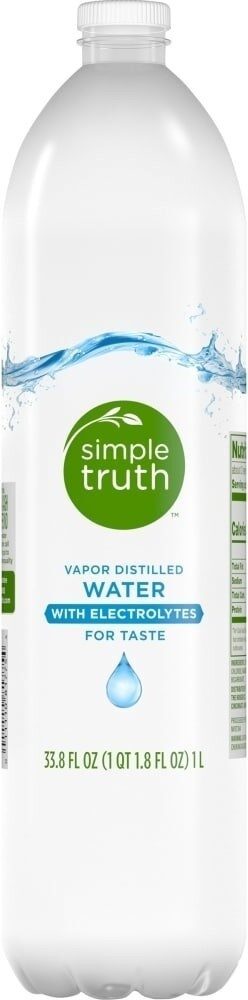


At a glance
Summary
This electrolyte product features beneficial ingredients such as magnesium citrate and potassium citrate, which are bioavailable forms that support hydration and muscle function. The use of natural colors from beet root and carrot, along with stevia as a natural sweetener, contributes to a cleaner formulation. However, the inclusion of 'natural flavours' introduces some lack of transparency, which slightly impacts the overall score.
Key ingredients 12
Magnesium CitrateGood
Magnesium citrate is a bioavailable form of magnesium, an essential mineral for muscle and nerve function. It is well-absorbed and supports hydration and electrolyte balance. This ingredient is beneficial for maintaining normal muscle and nerve function.
Risks
Excessive intake may lead to digestive issues such as diarrhea.
Benefits
Supports muscle and nerve function, and helps maintain electrolyte balance.
Potassium CitrateGood
Potassium citrate is a highly absorbable form of potassium, crucial for maintaining fluid balance and proper muscle function. It helps prevent kidney stones and supports cardiovascular health. This ingredient is beneficial for maintaining electrolyte balance and supporting heart health.
Risks
High doses can lead to hyperkalemia, a condition with elevated potassium levels in the blood.
Benefits
Supports cardiovascular health and helps prevent kidney stones.
Ascorbic AcidGood
Ascorbic acid, also known as vitamin C, is a powerful antioxidant that supports immune function and skin health. It is essential for collagen synthesis and helps protect cells from oxidative damage. This ingredient is beneficial for boosting the immune system and promoting healthy skin.
Risks
High doses can cause gastrointestinal discomfort and increase the risk of kidney stones.
Benefits
Supports immune function and acts as an antioxidant.
Prebiotic Fibersol Soluble Vegetable FibreGood
Prebiotic Fibersol is a soluble fiber that supports digestive health by promoting the growth of beneficial gut bacteria. It is derived from vegetable sources and helps improve bowel regularity. This ingredient is beneficial for maintaining a healthy digestive system.
Risks
Excessive intake may cause bloating or gas in some individuals.
Benefits
Supports digestive health and promotes beneficial gut bacteria.
Sodium ChlorideGood
Beneficial ingredient — whole-food or functional value in this product class.
Risks
Excessive intake can lead to high blood pressure and cardiovascular issues.
Benefits
Essential for fluid balance and nerve function.
Citric AcidNeutral
Citric acid is a common food additive used to add acidity and preserve freshness. It is generally recognized as safe but can cause irritation in some individuals. It is naturally found in citrus fruits but often produced synthetically for food use.
Risks
May cause irritation or allergic reactions in sensitive individuals.
Benefits
Helps preserve food and enhance flavor without significant health concerns.
Tricalcium PhosphateNeutral
Tricalcium phosphate is used as a calcium supplement and food additive. It provides calcium, which is essential for bone health, but its bioavailability is lower compared to other calcium forms. It is commonly used to fortify foods with calcium.
Risks
Excessive intake may lead to hypercalcemia, a condition with elevated calcium levels in the blood.
Benefits
Provides calcium, which is essential for bone health.
Stevia ExtractNeutral
Stevia extract is a natural, zero-calorie sweetener derived from the leaves of the Stevia plant. It is used as a sugar substitute without significant health concerns. This ingredient provides sweetness without adding calories or affecting blood sugar levels.
Benefits
Provides sweetness without calories or blood sugar impact.
Concentrated Beet RootNeutral
Concentrated beet root is used for natural coloring and may provide some antioxidant benefits. It is a natural alternative to artificial dyes but does not significantly impact nutrition. This ingredient is primarily used for its color properties.
Benefits
Provides natural color and may offer antioxidant benefits.
Concentrated CarrotNeutral
Concentrated carrot is used for natural coloring and may provide some antioxidant benefits. It is a natural alternative to artificial dyes but does not significantly impact nutrition. This ingredient is primarily used for its color properties.
Benefits
Provides natural color and may offer antioxidant benefits.
Red Beet PowderNeutral
Red beet powder is used for natural coloring and may provide some antioxidant benefits. It is a natural alternative to artificial dyes but does not significantly impact nutrition. This ingredient is primarily used for its color properties.
Benefits
Provides natural color and may offer antioxidant benefits.
Natural FlavoursBad
Natural flavours are often a catch-all term for a variety of chemical compounds that can include artificial additives. They lack transparency and can mask the presence of less desirable ingredients. This ingredient is often used to enhance taste without providing nutritional benefits.
Risks
Potential allergens and unknown chemical compounds may pose health risks.
Processing
Processed Culinary Ingredients
Get the full breakdown in the Scout appTake Scout shopping
Scan any product to see lab results, healthy alternatives, and your personalized analysis.
Download on theApp Store GET IT ONGoogle Play