



At a glance
Summary
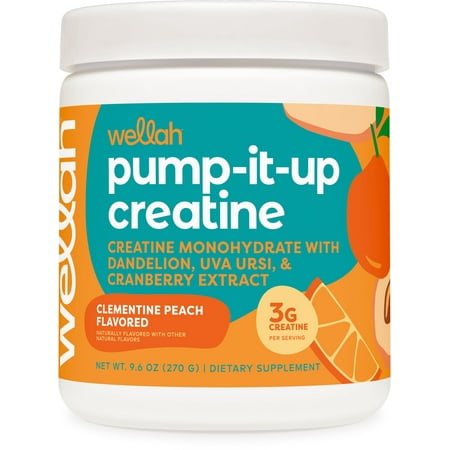
This creatine supplement contains micronized creatine monohydrate, which is highly effective for improving strength and muscle recovery. However, the presence of sucralose, an artificial sweetener, and natural and artificial flavors introduces concerns about potential effects on gut health and lack of transparency. The inclusion of these additives results in a moderate processing level, impacting the overall score.
Key ingredients 10
Micronized Creatine MonohydrateVery Good
Micronized creatine monohydrate is a highly effective supplement for improving strength, power, and muscle recovery. It is well-researched and considered one of the most effective sports supplements available. The micronization process increases solubility and absorption, enhancing its effectiveness.
Benefits
Supports increased muscle mass, strength, and exercise performance.
Himalayan Pink SaltGood
Beneficial ingredient — whole-food or functional value in this product class.
Risks
Excessive salt intake can contribute to high blood pressure and cardiovascular issues.
Benefits
Provides essential electrolytes that can support hydration.
Beta-CaroteneGood
Beneficial ingredient — whole-food or functional value in this product class.
Benefits
May provide antioxidant benefits, but primarily used for coloring.
Citric AcidNeutral
Citric acid is commonly used as a preservative and flavor enhancer in food products. It is naturally found in citrus fruits and is generally recognized as safe. It can help improve the taste and stability of the product.
Risks
Excessive consumption may cause gastrointestinal discomfort in sensitive individuals.
Beet Juice PowderNeutral
Beet juice powder is used as a natural coloring agent and may provide some antioxidant benefits. It is derived from beets and is generally considered safe. The amount used for coloring is unlikely to provide significant nutritional benefits.
Benefits
May provide some antioxidants, but in minimal amounts due to its use as a colorant.
Sodium CitrateNeutral
Sodium citrate is used as an acidity regulator and emulsifier in food products. It is generally recognized as safe and helps maintain product stability. It is a salt of citric acid and does not pose significant health concerns.
Benefits
Helps maintain product stability and improve texture.
Silicon DioxideNeutral
Silicon dioxide is used as an anti-caking agent to prevent clumping in powdered products. It is naturally occurring and considered safe for consumption. It does not contribute any nutritional value.
Benefits
Prevents clumping, ensuring consistent texture and ease of use.
Rebaudioside ANeutral
Rebaudioside A is a steviol glycoside derived from the stevia plant, used as a natural sweetener. It is calorie-free and does not affect blood sugar levels. It is considered safe and is a popular alternative to artificial sweeteners.
Benefits
Provides sweetness without calories, making it suitable for calorie-conscious consumers.
Natural And Artificial FlavorsBad
Natural and artificial flavors are used to enhance the taste of products but can be vague in terms of their specific composition. They may contain a variety of chemical compounds, some of which may not be disclosed. The lack of transparency can be concerning for consumers seeking to avoid certain additives.
Risks
Potential for allergic reactions or sensitivities due to undisclosed ingredients.
SucraloseBad
Sucralose is an artificial sweetener used to provide sweetness without calories. It is chemically altered to be non-caloric, but concerns exist about its potential effects on gut health and insulin response. Some studies suggest it may alter gut microbiota.
Risks
Potential negative impact on gut health and insulin sensitivity.
Benefits
Provides sweetness without adding calories, which can be beneficial for weight management.
Processing
Processed Foods
Get the full breakdown in the Scout appTake Scout shopping
Scan any product to see lab results, healthy alternatives, and your personalized analysis.
Download on theApp Store GET IT ONGoogle Play