



At a glance
Summary
This product is composed of minimally processed, nutrient-dense ingredients such as black beans, organic quinoa, and kale, which provide a rich source of protein, fiber, and essential vitamins. The inclusion of extra virgin olive oil adds healthy fats and antioxidants, enhancing the overall nutritional profile. The clean ingredient list and lack of harmful additives contribute to its high health rating.
Key ingredients 14
Organic quinoaVery Good
Quinoa is a complete protein containing all nine essential amino acids. Being organic, it is free from synthetic pesticides and fertilizers. It is also a good source of fiber, vitamins, and minerals.
Benefits
Provides complete protein and essential nutrients, supporting overall health and wellness.
KaleVery Good
Kale is a nutrient-dense leafy green rich in vitamins A, C, and K. It contains antioxidants that help reduce inflammation and support immune function. Its high fiber content aids in digestion.
Benefits
Rich in vitamins and antioxidants, promoting immune health and reducing inflammation.
Extra virgin olive oilVery Good
Extra virgin olive oil is a high-quality monounsaturated fat with anti-inflammatory properties. It contains antioxidants that support heart health. Cold-pressed extraction preserves beneficial compounds.
Benefits
Rich in monounsaturated fats that support heart health and provide anti-inflammatory properties.
Black beansGood
Black beans are a rich source of plant-based protein and dietary fiber. They contain essential nutrients like folate, iron, and magnesium. Their low glycemic index helps in maintaining stable blood sugar levels.
Benefits
High in protein and fiber, supporting digestive health and providing sustained energy.
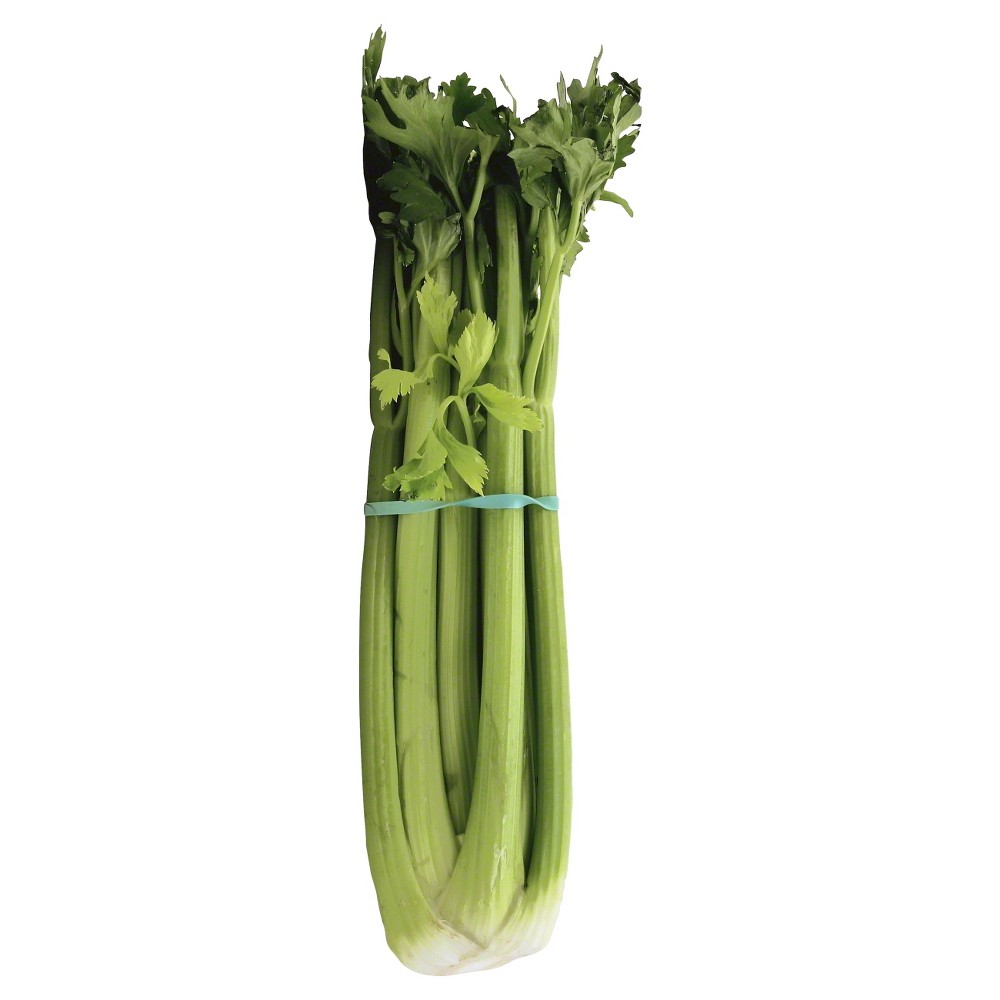
CeleryGood
Celery is low in calories and high in water content, making it hydrating and refreshing. It contains antioxidants and phytonutrients that may reduce inflammation. Its fiber content supports digestive health.
Benefits
Hydrating and low-calorie, with antioxidants that may reduce inflammation.
Red pepperGood
Red peppers are high in vitamin C and beta-carotene, supporting immune health and vision. They contain antioxidants that help protect against oxidative stress. Their vibrant color indicates a high nutrient content.
Benefits
Rich in vitamin C and antioxidants, supporting immune function and eye health.
CarrotsGood
Carrots are an excellent source of beta-carotene, which the body converts to vitamin A. They support eye health and immune function. Their fiber content aids in digestion and promotes satiety.
Benefits
High in beta-carotene, supporting vision and immune health.
Lemon juiceGood
Lemon juice is rich in vitamin C and antioxidants, supporting immune health and skin vitality. It adds a refreshing flavor and aids in digestion. Its acidity can enhance the absorption of iron from plant-based foods.
Benefits
Rich in vitamin C, enhancing iron absorption and supporting immune health.
GarlicGood
Garlic is known for its potential health benefits, including antimicrobial and anti-inflammatory properties. It contains compounds like allicin that may support heart health. Its use in cooking adds flavor and potential health benefits.
Benefits
Contains compounds that may support heart health and provide antimicrobial benefits.
CuminGood
Cumin is a spice rich in antioxidants and has been used traditionally for its digestive benefits. It may help improve digestion and boost the immune system. Its aromatic flavor enhances culinary dishes.
Benefits
Rich in antioxidants and may aid digestion and immune health.
Sea saltGood
Sea salt is a minimally processed source of sodium and trace minerals. It is often preferred for its natural mineral content compared to refined table salt. It enhances flavor and provides essential electrolytes.
Risks
Excessive consumption may lead to high blood pressure.
Benefits
Provides essential electrolytes and enhances flavor with natural minerals.
Black pepperGood
Black pepper contains piperine, which may enhance nutrient absorption and has antioxidant properties. It adds flavor and potential health benefits to dishes. Its use in cooking is widespread for its aromatic qualities.
Benefits
May enhance nutrient absorption and provides antioxidant benefits.
Cayenne pepperGood
Cayenne pepper contains capsaicin, which may boost metabolism and reduce inflammation. It adds heat and flavor to dishes, enhancing culinary experiences. Its potential health benefits include pain relief and improved circulation.
Risks
May cause irritation if consumed in large amounts.
Benefits
Contains capsaicin, which may boost metabolism and provide anti-inflammatory benefits.
Citric acidNeutral
Citric acid is a natural preservative and flavor enhancer. It is commonly used to add acidity and preserve freshness in foods. It is generally recognized as safe when used in food products.
Benefits
Helps preserve freshness and enhance flavor in food products.
Processing
Unprocessed or Minimally Processed Foods
Get the full breakdown in the Scout appTake Scout shopping
Scan any product to see lab results, healthy alternatives, and your personalized analysis.
Download on theApp Store GET IT ONGoogle Play