


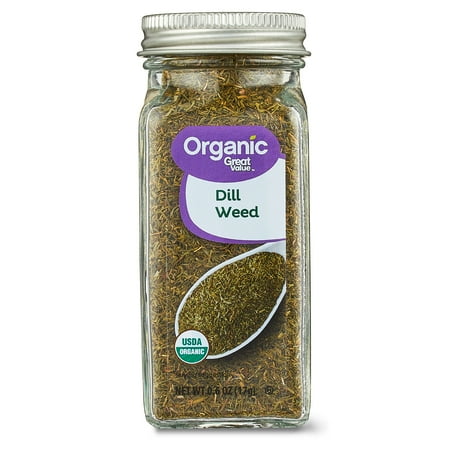


At a glance
Summary
The Organic Dill Relish contains beneficial organic ingredients like cucumbers, vinegar, and turmeric, which contribute to its nutritional value. However, the presence of 'natural flavors' and xanthan gum, along with its classification as an ultra-processed product, limits its healthiness. The high salt content also requires moderation in consumption, impacting its overall rating.
Key ingredients 9
Organic CucumbersVery Good
Organic cucumbers are a low-calorie vegetable rich in vitamins and antioxidants. Being organic, they are grown without synthetic pesticides or fertilizers, reducing potential exposure to harmful chemicals. They provide hydration and support digestive health due to their high water content.
Benefits
Rich in antioxidants and vitamins, supporting overall health and hydration. Organic farming practices enhance nutrient quality and reduce chemical exposure.
Organic TurmericVery Good
Organic turmeric is a spice known for its anti-inflammatory and antioxidant properties. It contains curcumin, which has been studied for its potential health benefits. Being organic, it is free from synthetic pesticides and chemicals, enhancing its health benefits.
Benefits
Contains curcumin, which supports anti-inflammatory and antioxidant activities, promoting overall health.
Organic VinegarGood
Organic vinegar is used as a preservative and flavor enhancer in foods. It is made through the fermentation of organic ingredients, ensuring no synthetic chemicals are involved. Vinegar can aid digestion and has antimicrobial properties.
Risks
Excessive consumption may lead to enamel erosion or digestive discomfort.
Benefits
Aids in digestion and has antimicrobial properties, enhancing food safety and flavor.
Sea SaltGood
Unrefined sea salt — a minimally processed, natural source of sodium and essential trace minerals, and a legitimate whole-food seasoning. Treated as a positive ingredient.
Risks
High sodium intake can lead to hypertension and cardiovascular issues.
Benefits
Contains trace minerals and enhances flavor, contributing to the preservation of the product.
Organic Dehydrated Red Bell PepperGood
Organic dehydrated red bell peppers add flavor and nutrients to the product. They are rich in vitamins A and C and antioxidants, supporting immune health. The dehydration process preserves these nutrients while extending shelf life.
Benefits
Rich in vitamins and antioxidants, supporting immune health and adding flavor.
WaterNeutral
Water is a neutral ingredient used as a solvent and to maintain moisture in food products. It does not contribute any calories or nutrients but is essential for hydration. In this product, it helps maintain the desired consistency and texture.
Benefits
Essential for hydration and maintaining the desired consistency of the product.
Calcium ChlorideNeutral
Calcium chloride is used as a firming agent in food products. It helps maintain the texture and crispness of vegetables in pickled products. It is generally recognized as safe when used in food processing.
Risks
Excessive consumption may lead to gastrointestinal discomfort.
Benefits
Helps maintain texture and crispness in pickled products, enhancing the eating experience.
Xanthan GumNeutral
Xanthan gum is a common food additive used as a thickening and stabilizing agent. It is produced through the fermentation of sugars by Xanthomonas campestris bacteria. It helps improve texture and consistency in food products.
Risks
May cause digestive issues in sensitive individuals when consumed in large amounts.
Benefits
Improves texture and consistency, enhancing the overall quality of the product.
Organic Natural FlavorsBad
Organic natural flavors are used to enhance the taste of food products. Despite being labeled as organic, the term 'natural flavors' is vague and can include a wide range of substances. This lack of transparency can be concerning for consumers seeking to avoid certain additives.
Risks
Potential allergens or sensitivities due to the unspecified nature of the ingredients.
Benefits
Enhances flavor, making the product more palatable.
Processing
Ultra-Processed Foods
Get the full breakdown in the Scout appTake Scout shopping
Scan any product to see lab results, healthy alternatives, and your personalized analysis.
Download on theApp Store GET IT ONGoogle Play