


At a glance
Summary
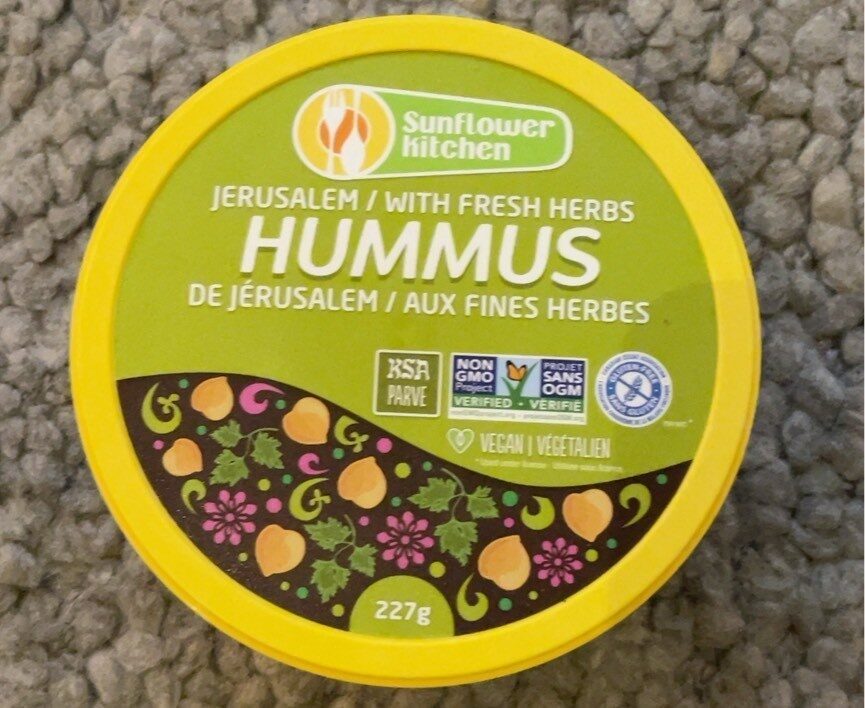
This hummus contains beneficial ingredients like chickpeas, tahini, and garlic, which provide protein, healthy fats, and essential nutrients. However, the use of sunflower oil, a refined seed oil high in omega-6 fatty acids, detracts from its healthiness. The product is moderately processed, which further limits its potential score despite the presence of mostly whole-food ingredients.
Key ingredients 9
ChickpeasGood
Chickpeas are a good source of plant-based protein and fiber, supporting digestive health. They are minimally processed and provide essential nutrients like iron and folate. Compared to refined grains, chickpeas offer a more complete nutritional profile.
Benefits
Rich in protein and fiber, chickpeas support satiety and digestive health. They also provide essential vitamins and minerals.
TahiniGood
Tahini, made from sesame seeds, is a good source of healthy fats and minerals like calcium and magnesium. It is minimally processed and provides beneficial lignans and antioxidants. Compared to other seed pastes, tahini offers a unique nutrient profile.
Benefits
Provides healthy fats and essential minerals, supporting bone health and antioxidant intake.
ParsleyGood
Parsley is a fresh herb rich in vitamins A, C, and K, supporting immune function and bone health. It is minimally processed and adds flavor without additional calories. Compared to dried herbs, fresh parsley retains more nutrients.
Benefits
Rich in vitamins and antioxidants, parsley supports immune function and adds flavor.
Sea saltGood
Sea salt is a natural source of sodium and trace minerals, supporting electrolyte balance. It is minimally processed compared to refined table salt. Provides essential minerals that are often lacking in refined salts.
Risks
Excessive sodium intake can lead to high blood pressure and cardiovascular issues.
Benefits
Provides essential minerals and supports electrolyte balance.
GarlicGood
Garlic is known for its potential health benefits, including antimicrobial and cardiovascular support. It is minimally processed and contains beneficial compounds like allicin. Compared to garlic powder, fresh garlic retains more active compounds.
Benefits
Supports cardiovascular health and has antimicrobial properties.
SpicesGood
Whole-food seasonings, antioxidant-bearing.
Benefits
May provide antioxidants and enhance flavor naturally.
Filtered waterNeutral
Filtered water is used as a solvent and to adjust the consistency of the product. It is a neutral ingredient with no direct nutritional impact. Ensures the product is free from impurities that could affect taste or safety.
See more about Filtered water →Citric acidNeutral
Citric acid is used as a preservative and to add acidity, enhancing flavor and shelf life. It is a common food additive with minimal health impact. Compared to artificial preservatives, citric acid is a more natural option.
Benefits
Enhances flavor and preserves freshness.
Sunflower oilVery Bad
Sunflower oil is high in omega-6 fatty acids, which can promote inflammation when consumed in excess. It is a refined seed oil, often extracted using high heat and chemicals, which can degrade its nutritional quality. Compared to healthier oils like olive oil, sunflower oil is less beneficial.
Risks
High omega-6 content may promote inflammation when consumed in excess.
Processing
Processed Foods
Get the full breakdown in the Scout appTake Scout shopping
Scan any product to see lab results, healthy alternatives, and your personalized analysis.
Download on theApp Store GET IT ONGoogle Play