

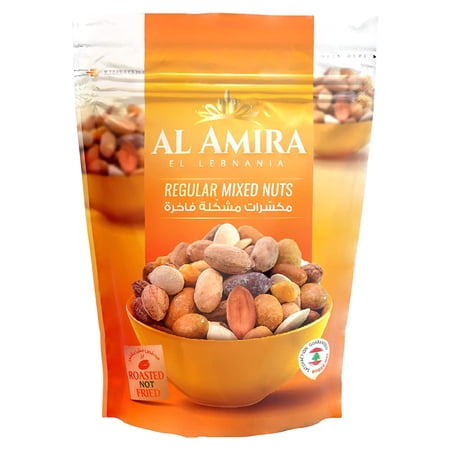


At a glance
Summary
This mixed nuts product contains a variety of nutrient-dense nuts such as almonds, cashews, and Brazil nuts, which provide healthy fats, protein, and essential minerals. However, the inclusion of canola and cottonseed oils, which are refined seed oils high in omega-6 fatty acids, detracts from its nutritional quality due to their potential to promote inflammation. The processing level of the product further limits its score potential, as it is not minimally processed.
Key ingredients 11
Blanched peanutsGood
Blanched peanuts are a good source of protein and healthy fats. The blanching process removes the skin, which may reduce some antioxidant content but does not significantly impact nutritional value. They provide essential nutrients like magnesium and vitamin E.
Risks
Potential allergen for individuals with peanut allergies.
Benefits
Rich in protein and healthy fats, supporting heart health and providing energy.
Unblanched peanutsGood
Unblanched peanuts retain their skin, which contains additional antioxidants and fiber. They are a good source of protein and healthy fats, contributing to heart health. The presence of skin enhances their nutritional profile compared to blanched peanuts.
Risks
Potential allergen for individuals with peanut allergies.
Benefits
Provides antioxidants and fiber, supporting digestive health and reducing oxidative stress.
CashewsGood
Cashews are rich in healthy monounsaturated fats and provide essential minerals like magnesium and zinc. They support heart health and bone strength. Their creamy texture makes them a versatile ingredient in various dishes.
Risks
Potential allergen for individuals with tree nut allergies.
Benefits
Supports heart health and provides essential minerals for bone health.
AlmondsGood
Almonds are high in vitamin E, fiber, and healthy fats, promoting heart health and skin health. They are a nutrient-dense snack that can help with weight management. Their antioxidant content helps reduce oxidative stress.
Risks
Potential allergen for individuals with tree nut allergies.
Benefits
Rich in vitamin E and antioxidants, supporting heart and skin health.
Brazil nutsGood
Brazil nuts are an excellent source of selenium, a mineral important for thyroid function and antioxidant defense. They provide healthy fats and protein, supporting overall health. Consuming them in moderation can help meet daily selenium needs.
Risks
Potential allergen for individuals with tree nut allergies. Excessive consumption can lead to selenium toxicity.
Benefits
High selenium content supports thyroid health and antioxidant defense.
HazelnutsGood
Hazelnuts are rich in monounsaturated fats, vitamin E, and fiber, promoting heart health and reducing inflammation. They provide essential nutrients like magnesium and copper. Their antioxidant properties help protect against oxidative stress.
Risks
Potential allergen for individuals with tree nut allergies.
Benefits
Supports heart health and provides antioxidants that reduce inflammation.
PecansGood
Pecans are high in healthy fats, fiber, and antioxidants, supporting heart health and reducing inflammation. They provide essential vitamins and minerals like vitamin A and zinc. Their rich flavor makes them a popular choice in both sweet and savory dishes.
Risks
Potential allergen for individuals with tree nut allergies.
Benefits
Rich in antioxidants and healthy fats, promoting heart health and reducing inflammation.
Sea saltGood
Sea salt is a minimally processed source of sodium and trace minerals. It enhances flavor without the additives found in refined table salt. Its mineral content can support electrolyte balance.
Risks
Excessive sodium intake can lead to high blood pressure.
Benefits
Provides trace minerals and enhances flavor naturally.
Peanut oilBad
Processed additive flagged under Scout's ingredient doctrine.
Risks
Potential allergen for individuals with peanut allergies.
Benefits
Provides monounsaturated fats that support heart health.
Canola oilVery Bad
Canola oil is a refined seed oil high in omega-6 fatty acids, which may promote inflammation when consumed in excess. The refining process can strip away beneficial nutrients. It is often genetically modified, raising concerns for some consumers.
Risks
High omega-6 content may promote inflammation when consumed in excess.
Cottonseed oilVery Bad
Cottonseed oil is a highly processed seed oil with a high omega-6 fatty acid content, potentially promoting inflammation. It often contains pesticide residues due to the nature of cotton farming. The refining process removes most beneficial nutrients.
Risks
High omega-6 content and potential pesticide residues pose health concerns.
Processing
Processed Foods
Get the full breakdown in the Scout appTake Scout shopping
Scan any product to see lab results, healthy alternatives, and your personalized analysis.
Download on theApp Store GET IT ONGoogle Play