


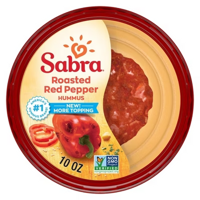
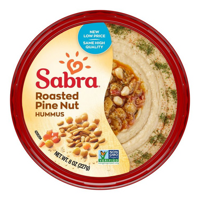
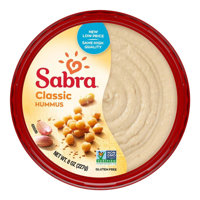
At a glance
Summary
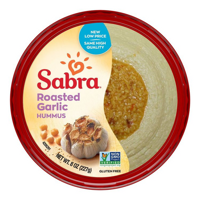
This hummus product contains beneficial ingredients like chickpeas, sesame seed paste, and olive oil, which provide healthy fats and nutrients. However, the presence of rapeseed oil, a seed oil high in omega-6 fatty acids, and synthetic additives such as potassium sorbate and sodium carbonate, contribute to its processed nature. The combination of these factors, along with the moderate level of processing, impacts the overall healthiness of the product.
Key ingredients 9
Cooked chickpeasGood
Chickpeas are a good source of plant-based protein and fiber, supporting digestive health. They are minimally processed when cooked and retain most of their nutritional value. Chickpeas also provide essential vitamins and minerals like folate and iron.
Benefits
Rich in protein and fiber, which can aid in digestion and provide a feeling of fullness. Contains essential nutrients such as folate and iron.
Sesame seed pasteGood
Sesame seed paste, or tahini, is rich in healthy fats and provides a good source of calcium and magnesium. It is made from ground sesame seeds, retaining most of their nutritional benefits. Tahini also contains antioxidants that may support heart health.
Risks
Potential allergen for individuals with sesame allergies.
Benefits
Rich in healthy fats and provides essential minerals like calcium and magnesium. Contains antioxidants that may support heart health.
Olive oilGood
Olive oil is a high-quality monounsaturated fat with anti-inflammatory properties. It contains antioxidants that support heart health. The use of olive oil in this product adds beneficial fats and flavor.
Benefits
Rich in monounsaturated fats that support heart health and provide anti-inflammatory properties. Contains antioxidants like vitamin E and polyphenols.
Pine nutsNeutral
Pine nuts are a source of healthy fats and protein, but they are used in small quantities in this product. They are minimally processed and retain their natural nutrients. However, the small amount used may not significantly impact the overall nutritional profile.
Risks
Potential allergen for individuals with nut allergies.
Benefits
Provides healthy fats and protein, though in small amounts that may not significantly impact nutrition.
SaltNeutral
Salt is used as a seasoning and preservative, providing sodium necessary for bodily functions. It is a refined ingredient without additional minerals. Excessive consumption can lead to health issues such as hypertension.
Risks
Excessive consumption can lead to hypertension and other cardiovascular issues.
Benefits
Provides sodium, which is essential for maintaining fluid balance and nerve function.
Citric acidNeutral
Citric acid is a natural acidulant used to enhance flavor and preserve freshness. It is commonly found in citrus fruits and is generally recognized as safe. It does not provide significant nutritional benefits.
Benefits
Enhances flavor and preserves freshness without significant nutritional benefits.
Sodium carbonateNeutral
Standard formulation ingredient — neither beneficial nor harmful at typical use.
Risks
May cause digestive discomfort if consumed in large quantities.
Potassium sorbateBad
Potassium sorbate is a preservative used to extend shelf life by inhibiting mold and yeast growth. It is a synthetic additive and may cause allergic reactions in sensitive individuals. Its use is common in processed foods to maintain freshness.
Risks
May cause allergic reactions or sensitivities in some individuals.
Rapeseed oilVery Bad
Rapeseed oil is a seed oil high in omega-6 fatty acids, which can promote inflammation if consumed in excess. It is often highly processed, which can reduce its nutritional quality. Compared to other oils, it lacks beneficial monounsaturated fats.
Risks
High omega-6 content may promote inflammation when consumed in excess.
Processing
Processed Foods
Get the full breakdown in the Scout appTake Scout shopping
Scan any product to see lab results, healthy alternatives, and your personalized analysis.
Download on theApp Store GET IT ONGoogle Play