


At a glance
Summary
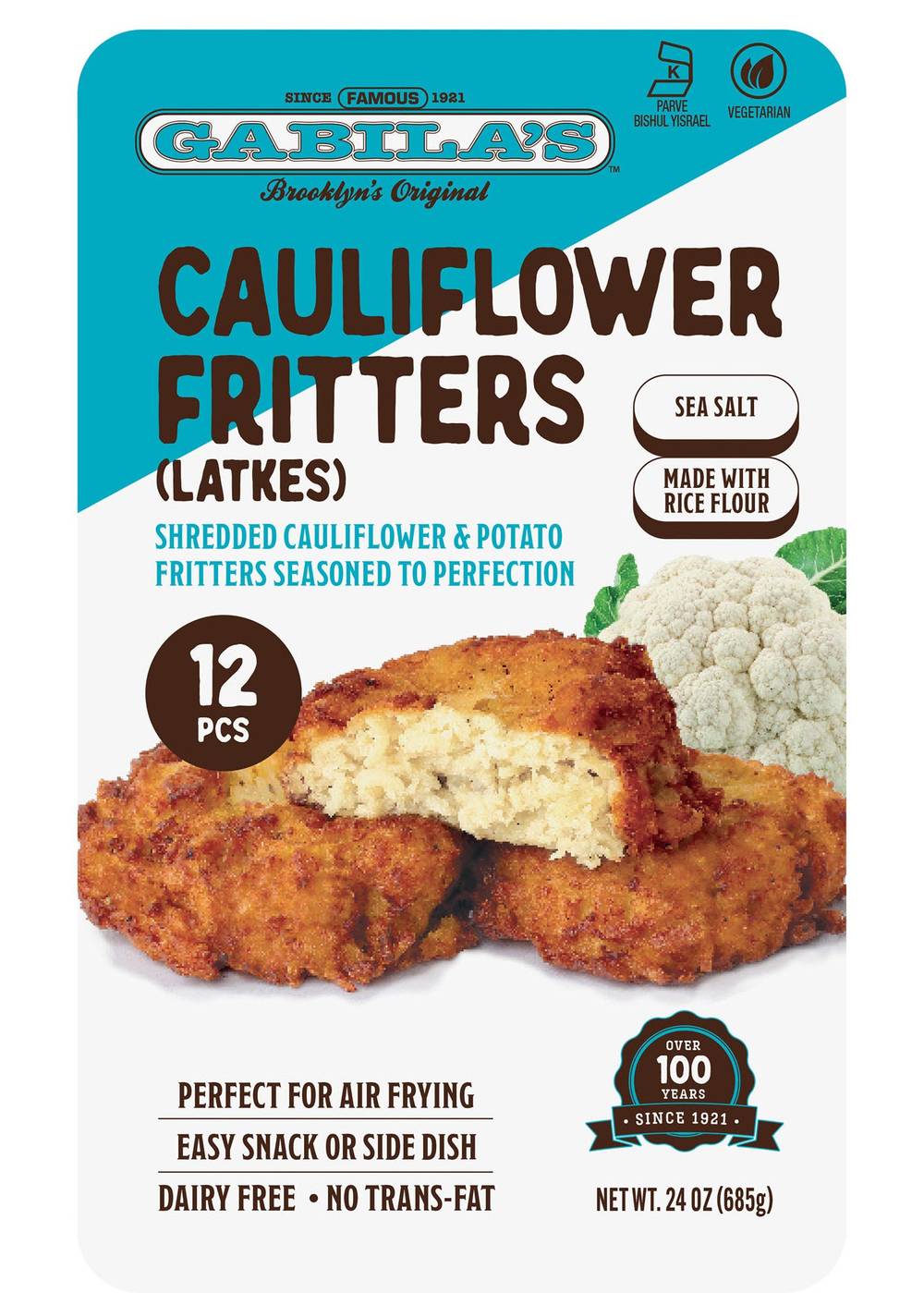
The cauliflower fritters contain several beneficial ingredients such as cauliflower, eggs, onions, and garlic powder, which provide nutrients and antioxidants. However, the presence of canola oil, a seed oil high in omega-6 fatty acids, detracts from the overall healthiness due to its potential to promote inflammation. Additionally, the product is processed, which limits its score despite the inclusion of some whole food ingredients.
Key ingredients 9
CauliflowerGood
Cauliflower is a nutrient-dense vegetable rich in vitamins C and K. It is low in calories and provides fiber, supporting digestive health. Its antioxidant properties may help reduce inflammation.
Benefits
Rich in vitamins and antioxidants, supporting overall health and reducing inflammation.
PotatoesGood
Beneficial ingredient — whole-food or functional value in this product class.
Risks
High glycemic index may affect blood sugar levels if consumed in excess.
Benefits
Provides essential nutrients like vitamin C and potassium, supporting immune function and heart health.
EggsGood
Eggs are a high-quality protein source with essential amino acids. They contain important nutrients like choline and vitamin D. The yolk provides healthy fats and antioxidants like lutein and zeaxanthin.
Risks
Potential allergen for some individuals.
Benefits
Rich in protein and essential nutrients, supporting muscle health and brain function.
OnionsGood
Onions are a flavorful vegetable rich in antioxidants and sulfur compounds. They may support heart health and have anti-inflammatory properties. Onions also provide vitamin C and fiber.
Benefits
Supports heart health and provides antioxidants that may reduce inflammation.
Garlic powderGood
Garlic powder provides the health benefits of garlic in a convenient form. It contains allicin, which has antimicrobial and antioxidant properties. Garlic may support immune function and cardiovascular health.
Benefits
Supports immune function and provides antioxidants that may benefit heart health.
Potato starchNeutral
Potato starch is used as a thickening agent and is gluten-free. It provides a source of resistant starch, which can benefit gut health. However, it lacks significant nutritional value beyond its functional use.
Benefits
May support gut health due to its resistant starch content.
Rice flourNeutral
Rice flour is a gluten-free alternative to wheat flour. It is used in various recipes for its light texture. While it provides carbohydrates, it lacks significant protein and fiber compared to whole grains.
Benefits
Provides a gluten-free option for those with celiac disease or gluten sensitivity.
SaltNeutral
Salt is used to enhance flavor and preserve food. It is a source of sodium, which is essential for fluid balance and nerve function. Excessive intake can lead to high blood pressure and other health issues.
Risks
Excessive sodium intake can lead to high blood pressure and cardiovascular issues.
Benefits
Essential for maintaining fluid balance and nerve function.
Canola oilVery Bad
Canola oil is a seed oil high in omega-6 fatty acids, which can promote inflammation when consumed in excess. It is often highly processed and refined, which may reduce its nutritional quality. The extraction process can involve chemical solvents.
Risks
High omega-6 content may promote inflammation when consumed in excess.
Processing
Processed Foods
Get the full breakdown in the Scout appTake Scout shopping
Scan any product to see lab results, healthy alternatives, and your personalized analysis.
Download on theApp Store GET IT ONGoogle Play