


At a glance
Summary
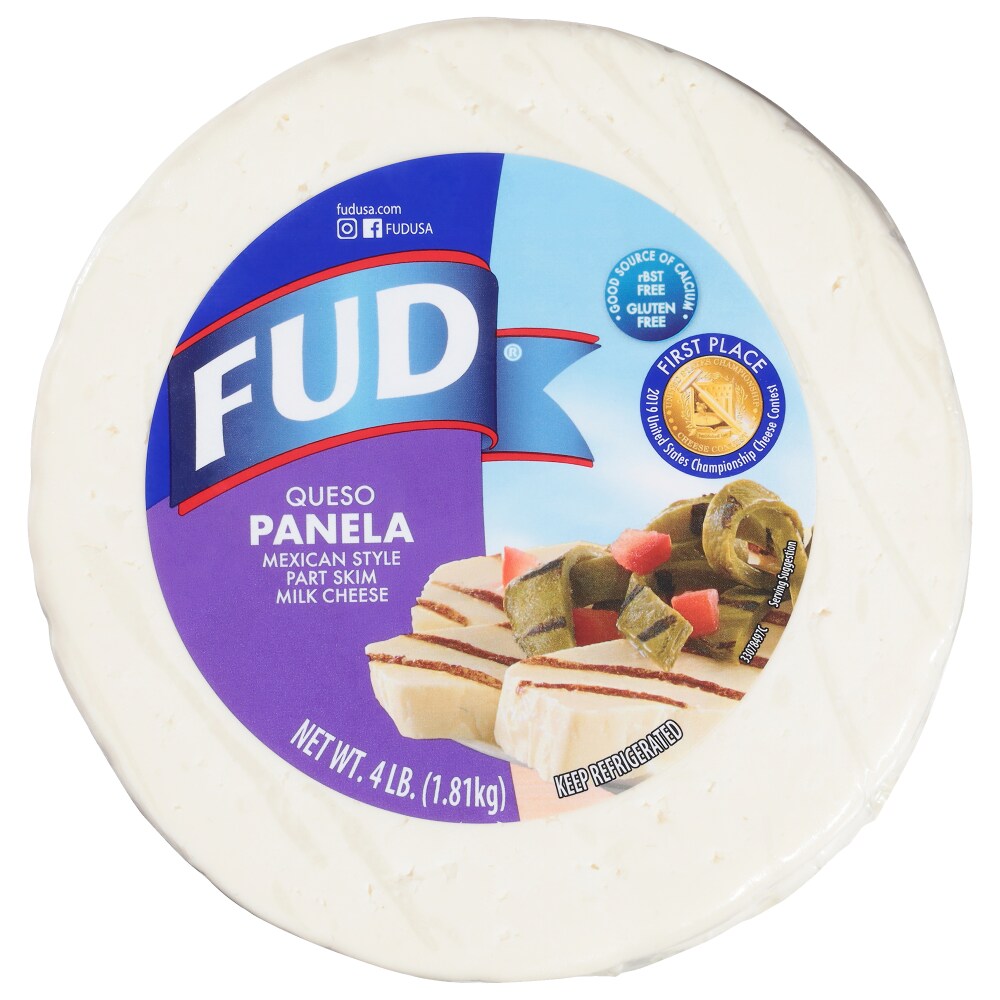
This cheese product contains beneficial ingredients like whole cow's milk and cream, which provide essential nutrients and good fats. However, it is heavily processed with additives such as carrageenan and potassium sorbate, which are associated with potential health concerns. The presence of multiple synthetic additives and its high processing level significantly impact its overall healthiness despite the presence of some quality ingredients.
Key ingredients 14
Whole cow's milkGood
Whole cow's milk is a primary source of high-quality protein and essential nutrients. It provides calcium, vitamin D, and other vital nutrients that support bone health. The pasteurization process ensures safety by eliminating harmful bacteria.
Risks
Potential lactose intolerance or milk allergy in some individuals.
Benefits
Rich in calcium and vitamin D, supporting bone health and providing essential amino acids for muscle maintenance.
CreamGood
Cream adds richness and enhances the flavor profile of dairy products. It is a source of fat-soluble vitamins like A and D. When derived from high-quality milk, it contributes to a creamy texture and taste.
Risks
High in saturated fats, which should be consumed in moderation.
Benefits
Enhances flavor and texture, providing fat-soluble vitamins and energy.
Butyric fatGood
Butyric fat is a short-chain fatty acid beneficial for gut health. It supports the integrity of the intestinal lining and has anti-inflammatory properties. Found naturally in butter and other dairy products.
Benefits
Supports gut health and has anti-inflammatory properties.
RennetGood
Rennet is an enzyme used in cheese making to coagulate milk. It is essential for the cheese-making process, contributing to texture and flavor development. Traditionally sourced from animal stomachs, microbial and vegetarian alternatives are available.
Benefits
Essential for cheese coagulation, contributing to texture and flavor.
Reconstituted skim milkNeutral
Reconstituted skim milk is used to adjust the fat content while maintaining protein levels. It lacks the full nutrient profile of whole milk due to reduced fat content. Often used in processed foods to balance texture and nutritional content.
Risks
May contain fewer fat-soluble vitamins compared to whole milk.
Benefits
Provides protein with reduced fat content, suitable for low-fat dietary needs.
Iodized saltNeutral
Iodized salt is used to enhance flavor and provide essential iodine. Iodine is crucial for thyroid function and metabolic regulation. The addition of iodine helps prevent deficiencies in populations with low dietary iodine intake.
Risks
Excessive sodium intake can lead to hypertension and cardiovascular issues.
Benefits
Provides essential iodine, supporting thyroid health and metabolic function.
CaseinatesNeutral
Caseinates are milk proteins used to improve texture and nutritional content. They provide a slow-digesting protein source, beneficial for muscle maintenance. Commonly used in processed foods for their emulsifying properties.
Risks
May cause allergic reactions in individuals with milk protein allergies.
Benefits
Provides a slow-digesting protein source, beneficial for muscle maintenance.
Calcium chlorideNeutral
Calcium chloride is used in cheese making to improve curd formation. It helps maintain the firmness and texture of the cheese. It is generally recognized as safe when used in food processing.
Benefits
Enhances curd formation and maintains cheese texture.
Locust bean gumNeutral
Locust bean gum is a natural thickener derived from carob seeds. It is used to stabilize and thicken food products. Generally considered safe, it is a common additive in processed foods.
Benefits
Provides natural thickening and stabilizing properties.
NatamycinNeutral
Natamycin is a natural antifungal agent used to prevent spoilage in dairy products. It is derived from natural sources and is effective in small quantities. Generally recognized as safe, it helps maintain product quality.
Benefits
Prevents spoilage and extends shelf life of dairy products.
Calcium carbonateNeutral
Calcium carbonate is used as a calcium supplement and acidity regulator in food products. It provides a source of calcium, supporting bone health. Commonly used in fortified foods to enhance nutritional content.
Risks
Excessive intake may lead to hypercalcemia or kidney stones.
Benefits
Provides a source of calcium, supporting bone health.
Glycerol monostearateBad
Glycerol monostearate is an emulsifier used to improve texture and stability in processed foods. It is a synthetic compound derived from glycerol and stearic acid. Overuse of emulsifiers can disrupt gut microbiota balance.
Risks
May disrupt gut microbiota balance when consumed in excess.
Benefits
Improves texture and stability in processed foods.
CarrageenanBad
Carrageenan is a thickening agent derived from red seaweed, used to improve texture. It has been associated with gastrointestinal inflammation in some studies. Its use in processed foods is controversial due to potential health concerns.
Risks
May cause gastrointestinal inflammation and discomfort in sensitive individuals.
Benefits
Improves texture and stability in food products.
Potassium sorbateBad
Potassium sorbate is a preservative used to inhibit mold and yeast growth. It is a synthetic compound that extends shelf life but may cause allergic reactions in sensitive individuals. Its use is common in processed foods to maintain freshness.
Risks
May cause allergic reactions or skin irritation in sensitive individuals.
Benefits
Extends shelf life by inhibiting mold and yeast growth.
Processing
Ultra-Processed Foods
Get the full breakdown in the Scout appTake Scout shopping
Scan any product to see lab results, healthy alternatives, and your personalized analysis.
Download on theApp Store GET IT ONGoogle Play