
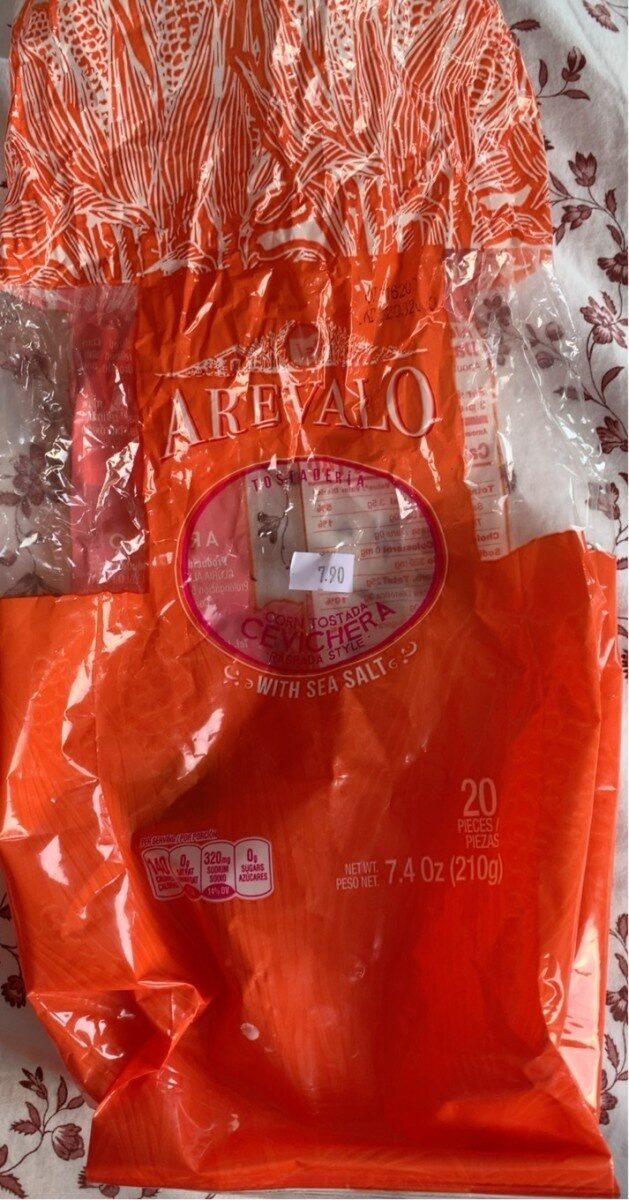


At a glance
Summary
This corn tostada contains a mix of beneficial ingredients such as refried beans, cilantro, and fresh limes, which contribute to its nutritional value. However, the presence of corn oil, a highly processed seed oil, detracts from its healthiness due to its inflammatory properties. The product is moderately processed, which limits its score despite the inclusion of some whole food ingredients.
Key ingredients 20
Olive OilVery Good
Olive oil is a high-quality monounsaturated fat with anti-inflammatory properties. It contains antioxidants that support heart health. Cold-pressed extraction preserves beneficial compounds.
Benefits
Rich in monounsaturated fats that support heart health and provide anti-inflammatory properties.
Refried BeansGood
Refried beans are a good source of plant-based protein and fiber. They provide essential nutrients like iron and magnesium. The preparation method can vary, but when made with minimal added fats, they are a nutritious addition.
Risks
Potentially high in sodium if canned or prepared with added salt.
Benefits
Rich in fiber and protein, supporting digestive health and muscle maintenance.
CilantroGood
Cilantro is a fresh herb that adds flavor without calories. It contains antioxidants and may help in detoxifying heavy metals from the body. Its fresh leaves are used in various cuisines for their aromatic properties.
Benefits
Contains antioxidants and may support detoxification processes.
Diced Red OnionGood
Red onions are rich in antioxidants and have anti-inflammatory properties. They contain quercetin, which may help reduce blood pressure. Their raw form retains most of their beneficial compounds.
Risks
May cause digestive discomfort in sensitive individuals.
Benefits
High in antioxidants and may support heart health.
Fresh LimesGood
Limes are rich in vitamin C and antioxidants. They enhance flavor and can aid in digestion. Fresh lime juice is often used to add acidity and brightness to dishes.
Benefits
High in vitamin C, supporting immune function and skin health.
CornGood
Beneficial ingredient — whole-food or functional value in this product class.
Risks
May be genetically modified, which is a concern for some consumers.
Benefits
Provides carbohydrates for energy.
Lime JuiceGood
Lime juice is rich in vitamin C and adds acidity to dishes. It can enhance flavor and aid in digestion. Freshly squeezed lime juice retains most of its beneficial nutrients.
Benefits
High in vitamin C, supporting immune function.
Chili PowderGood
Chili powder adds spice and flavor to dishes. It contains capsaicin, which may have anti-inflammatory and metabolism-boosting properties. Made from dried chili peppers, it is a natural seasoning.
Risks
May cause digestive discomfort in sensitive individuals.
Benefits
Contains capsaicin, which may support metabolism and reduce inflammation.
ScallionsGood
Scallions, or green onions, are low in calories and add flavor and color to dishes. They contain vitamins A and C and have antioxidant properties. Fresh scallions are often used in salads and garnishes.
Benefits
Rich in vitamins and antioxidants, supporting overall health.
Black BeansGood
Black beans are a good source of plant-based protein and fiber. They provide essential nutrients like iron and folate. When cooked properly, they are a nutritious addition to meals.
Risks
May cause digestive discomfort due to oligosaccharides.
Benefits
Rich in fiber and protein, supporting digestive health and muscle maintenance.
Shredded LettuceGood
Lettuce is low in calories and provides hydration and fiber. It is a source of vitamins A and K. Fresh lettuce adds crunch and nutrition to dishes.
Benefits
Provides fiber and essential vitamins, supporting overall health.
TomatoesGood
Tomatoes are rich in vitamins C and K and contain lycopene, an antioxidant. They add flavor and nutrition to dishes. Fresh tomatoes are a versatile ingredient in many cuisines.
Benefits
High in antioxidants and vitamins, supporting heart health and reducing inflammation.
BeefGood
Beef is a rich source of high-quality protein and essential nutrients like iron and zinc. Grass-fed beef is preferred for its higher omega-3 content and better fatty acid profile. It supports muscle growth and maintenance.
Risks
High in saturated fat, which may impact heart health if consumed in excess.
Benefits
Provides essential nutrients and high-quality protein, supporting muscle and overall health.
Cotija CheeseNeutral
Cotija cheese is a Mexican cheese that adds flavor and texture. It is a source of calcium and protein but can be high in sodium. Typically used in small amounts, it enhances the dish's flavor profile.
Risks
High sodium content may be a concern for those with hypertension.
Benefits
Provides calcium and protein, supporting bone health.
Corn TortillasNeutral
Corn tortillas are a traditional staple made from masa harina. They provide carbohydrates and are typically low in fat. When made with minimal additives, they are a simple, minimally processed food.
Risks
May contain preservatives or additives if not freshly made.
Benefits
Provides carbohydrates and is a low-fat option.
SaltNeutral
Salt is used to enhance flavor and preserve food. It is essential for maintaining fluid balance and nerve function. However, excessive intake can lead to hypertension.
Risks
Excessive consumption can lead to high blood pressure and cardiovascular issues.
Benefits
Essential for fluid balance and nerve function.
Sour CreamNeutral
Sour cream adds richness and tangy flavor to dishes. It is a source of calcium and fat. When consumed in moderation, it can be part of a balanced diet.
Risks
High in saturated fat, which may impact heart health if consumed in excess.
Benefits
Provides calcium and enhances flavor.
MayoNeutral
Mayonnaise is an emulsion of oil, egg yolk, and vinegar or lemon juice. It adds creaminess and flavor to dishes. While it provides fats, it is calorie-dense and should be consumed in moderation.
Risks
High in calories and fats, which can contribute to weight gain if overconsumed.
Benefits
Adds flavor and texture to dishes.
Coarse SaltNeutral
Coarse salt is used to enhance flavor and texture in dishes. It is essential for maintaining fluid balance and nerve function. However, excessive intake can lead to hypertension.
Risks
Excessive consumption can lead to high blood pressure and cardiovascular issues.
Benefits
Essential for fluid balance and nerve function.
Corn OilVery Bad
Corn oil is a seed oil high in omega-6 fatty acids, which can promote inflammation. It is highly processed and often extracted using chemical solvents. Regular consumption may disrupt the balance of omega-3 to omega-6 fatty acids in the diet.
Risks
High omega-6 content may promote inflammation when consumed in excess.
Processing
Processed Foods
Get the full breakdown in the Scout appTake Scout shopping
Scan any product to see lab results, healthy alternatives, and your personalized analysis.
Download on theApp Store GET IT ONGoogle PlayAmazon pricing & content
Amazon price as of . Product prices and availability are accurate as of the date/time indicated and are subject to change. Any price and availability information displayed on Amazon.com at the time of purchase will apply to the purchase of this product.
CERTAIN CONTENT THAT APPEARS ON THIS SITE COMES FROM AMAZON. THIS CONTENT IS PROVIDED “AS IS” AND IS SUBJECT TO CHANGE OR REMOVAL AT ANY TIME.