
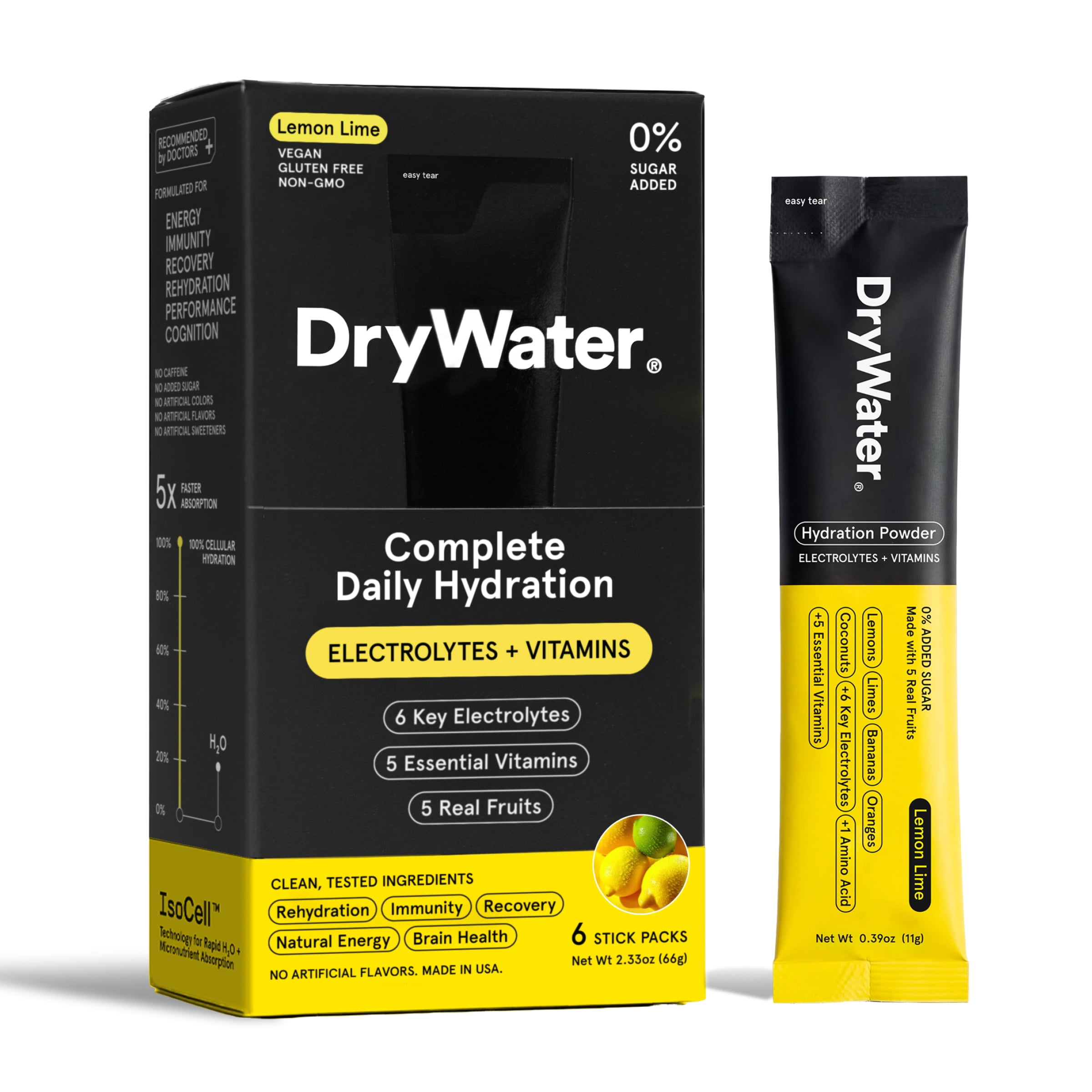
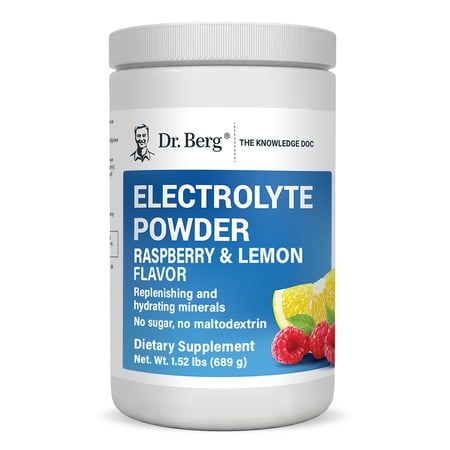

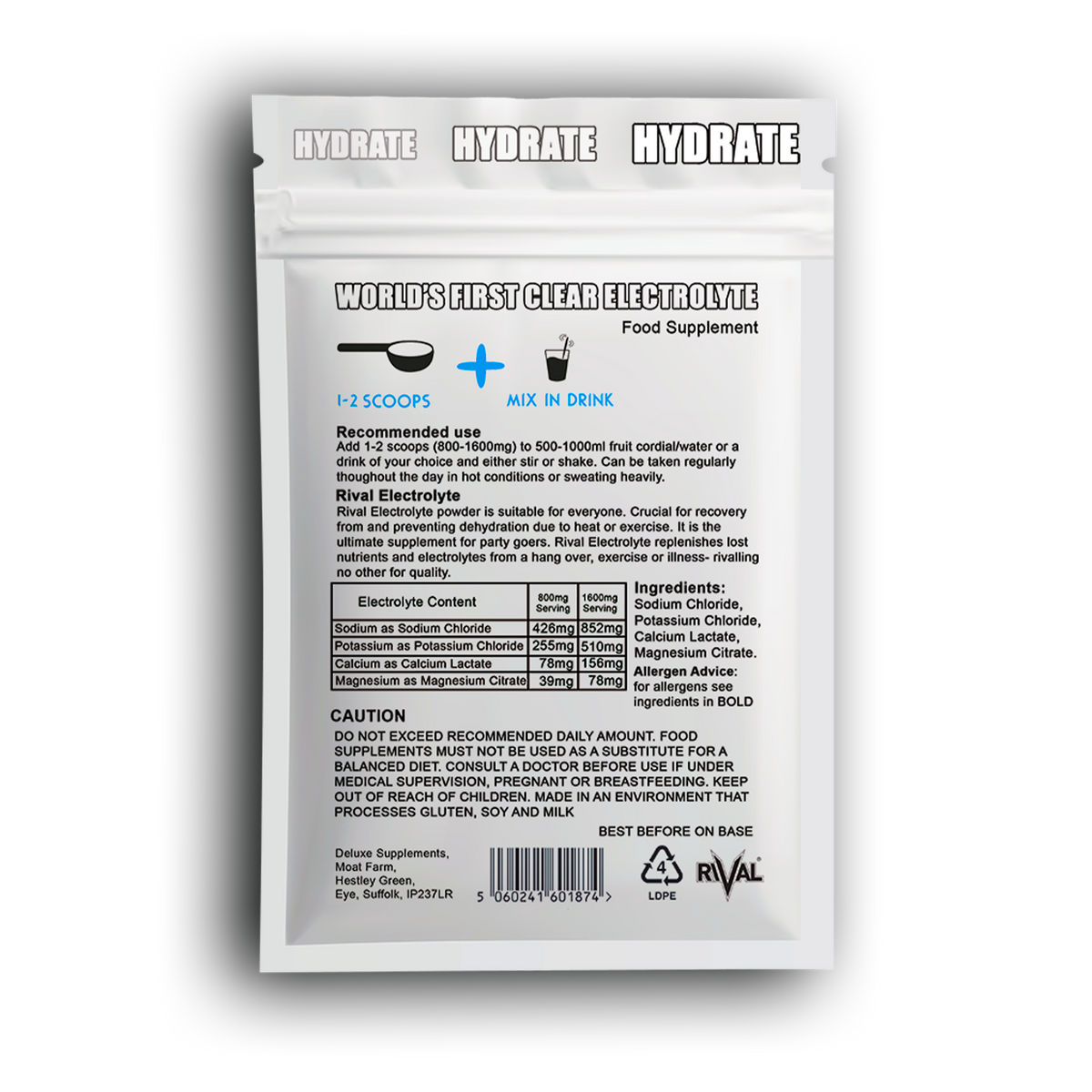

Metagenics Endura lemon-lime powder 1.47lbs (19 servings)
Analysis updated July 2026 · How Scout scores
At a glance
Summary
This electrolyte supplement contains beneficial ingredients like magnesium bis-glycinate and calcium citrate, which are bioavailable and support muscle and bone health. However, the presence of crystalline fructose as a sweetener and natural lemon flavor, which can be highly processed, detracts from its overall healthiness. The formulation includes several additives, which increases its processing level, but it avoids major artificial additives and dyes.
Key ingredients 19
Magnesium Bis-GlycinateVery Good
Magnesium bis-glycinate is a highly bioavailable form of magnesium that supports muscle function and relaxation. It is less likely to cause gastrointestinal discomfort compared to other forms of magnesium. This form is chelated, enhancing absorption and utilization in the body.
Benefits
Supports muscle relaxation, nerve function, and energy production.
TaurineGood
Taurine is an amino acid that supports cardiovascular health and electrolyte balance. It is naturally found in meat and fish and is often added to energy drinks for its potential to improve athletic performance. Taurine may also have antioxidant properties.
Benefits
Supports heart health and may improve exercise performance.
Calcium CitrateGood
Calcium citrate is a highly absorbable form of calcium that supports bone health. It is more easily absorbed than calcium carbonate, especially in individuals with low stomach acid. This form of calcium is less likely to cause gastrointestinal discomfort.
Benefits
Supports bone health and is easily absorbed by the body.
Ascorbic AcidGood
Ascorbic acid, also known as vitamin C, is an essential nutrient that supports immune function and acts as an antioxidant. It is commonly added to supplements to enhance immune health and improve iron absorption. Ascorbic acid is water-soluble and generally safe in recommended doses.
Benefits
Supports immune function and acts as an antioxidant.
D-alpha Tocopheryl AcetateGood
D-alpha tocopheryl acetate is a form of vitamin E that acts as an antioxidant, protecting cells from oxidative damage. It is often used in supplements for its skin and immune health benefits. This form is more stable and has a longer shelf life than natural vitamin E.
Benefits
Acts as an antioxidant and supports skin and immune health.
D-calcium PantothenateGood
D-calcium pantothenate is a form of vitamin B5 that supports energy metabolism and the synthesis of coenzyme A. It is essential for the breakdown of carbohydrates, proteins, and fats. This form is stable and commonly used in dietary supplements.
Benefits
Supports energy metabolism and the synthesis of coenzyme A.
L-carnosineGood
L-carnosine is a dipeptide composed of beta-alanine and histidine, known for its antioxidant properties and ability to buffer acidity in muscles. It is often used in supplements to enhance exercise performance and reduce muscle fatigue. L-carnosine may also support healthy aging by reducing oxidative stress.
Benefits
Acts as an antioxidant and supports exercise performance.
NiacinamideGood
Niacinamide, a form of vitamin B3, supports energy production and skin health. It is involved in the metabolism of carbohydrates, fats, and proteins. Niacinamide is less likely to cause flushing compared to niacin.
Benefits
Supports energy production and skin health.
Pyridoxine HCIGood
Pyridoxine HCI is a form of vitamin B6 that supports brain health and the synthesis of neurotransmitters. It is essential for amino acid metabolism and the production of hemoglobin. This form is commonly used in supplements for its stability and bioavailability.
Benefits
Supports brain health and neurotransmitter synthesis.
RiboflavinGood
Riboflavin, or vitamin B2, is essential for energy production and the metabolism of fats, drugs, and steroids. It acts as an antioxidant and is necessary for the conversion of other B vitamins into their active forms. Riboflavin is water-soluble and generally safe in recommended doses.
Benefits
Supports energy production and acts as an antioxidant.
Chromium Nicotinate GlycinateGood
Chromium nicotinate glycinate is a form of chromium that supports glucose metabolism and insulin sensitivity. It is often used in supplements to help regulate blood sugar levels. This form is chelated, enhancing its absorption and bioavailability.
Benefits
Supports glucose metabolism and insulin sensitivity.
Thiamin MononitrateGood
Thiamin mononitrate is a form of vitamin B1 that supports energy metabolism and nerve function. It is essential for the conversion of carbohydrates into energy. This form is stable and commonly used in dietary supplements.
Benefits
Supports energy metabolism and nerve function.
Citric AcidNeutral
Citric acid is a natural preservative and flavor enhancer found in citrus fruits. It is commonly used to add a sour taste to foods and beverages. While generally recognized as safe, excessive consumption can lead to dental erosion.
Risks
May contribute to dental erosion if consumed in large amounts.
Benefits
Acts as a natural preservative and enhances flavor.
Malic AcidNeutral
Malic acid is a naturally occurring acid found in fruits, used to enhance flavor and tartness in foods. It is generally recognized as safe and is often used in supplements to improve energy production. It plays a role in the Krebs cycle, aiding in energy metabolism.
Benefits
Enhances flavor and supports energy production.
Dipotassium PhosphateNeutral
Dipotassium phosphate is a water-soluble salt used as a food additive to stabilize pH and as a source of potassium. It is generally recognized as safe but can contribute to excessive phosphorus intake if consumed in large quantities. It helps maintain electrolyte balance in the body.
Risks
Excessive intake may lead to imbalances in phosphorus levels.
Benefits
Provides potassium, which is essential for maintaining electrolyte balance.
Sodium ChlorideNeutral
Sodium chloride, commonly known as salt, is essential for maintaining fluid balance and nerve function. It is used in supplements to replenish electrolytes lost through sweat. While necessary, excessive intake can lead to hypertension.
Risks
Excessive consumption may lead to high blood pressure.
Benefits
Essential for maintaining fluid balance and nerve function.
Crystalline FructoseBad
Crystalline fructose is a sweetener that can contribute to excessive sugar intake. It is highly processed and can lead to metabolic issues if consumed in large amounts. Compared to glucose, fructose is metabolized differently and can increase the risk of fatty liver disease.
Risks
Excessive consumption may lead to insulin resistance and increased triglyceride levels.
Benefits
Provides a quick source of energy due to its high sugar content.
MaltodextrinBad
Processed additive flagged under Scout's ingredient doctrine.
Risks
May cause blood sugar spikes and is not suitable for diabetics.
Benefits
Provides a rapid source of energy, useful in sports nutrition.
Natural Lemon FlavorBad
Natural lemon flavor is a flavoring agent derived from natural sources but can be highly processed. It lacks the nutritional benefits of whole lemon and may contain undisclosed additives. The term 'natural' can be misleading as it does not guarantee minimal processing.
Risks
May contain undisclosed additives and lacks nutritional benefits.
Benefits
Provides lemon flavor without added sugars.
Processing
Processed Foods
Get the full breakdown in the Scout appTake Scout shopping
Scan any product to see lab results, healthy alternatives, and your personalized analysis.
Download on theApp Store GET IT ONGoogle Play