
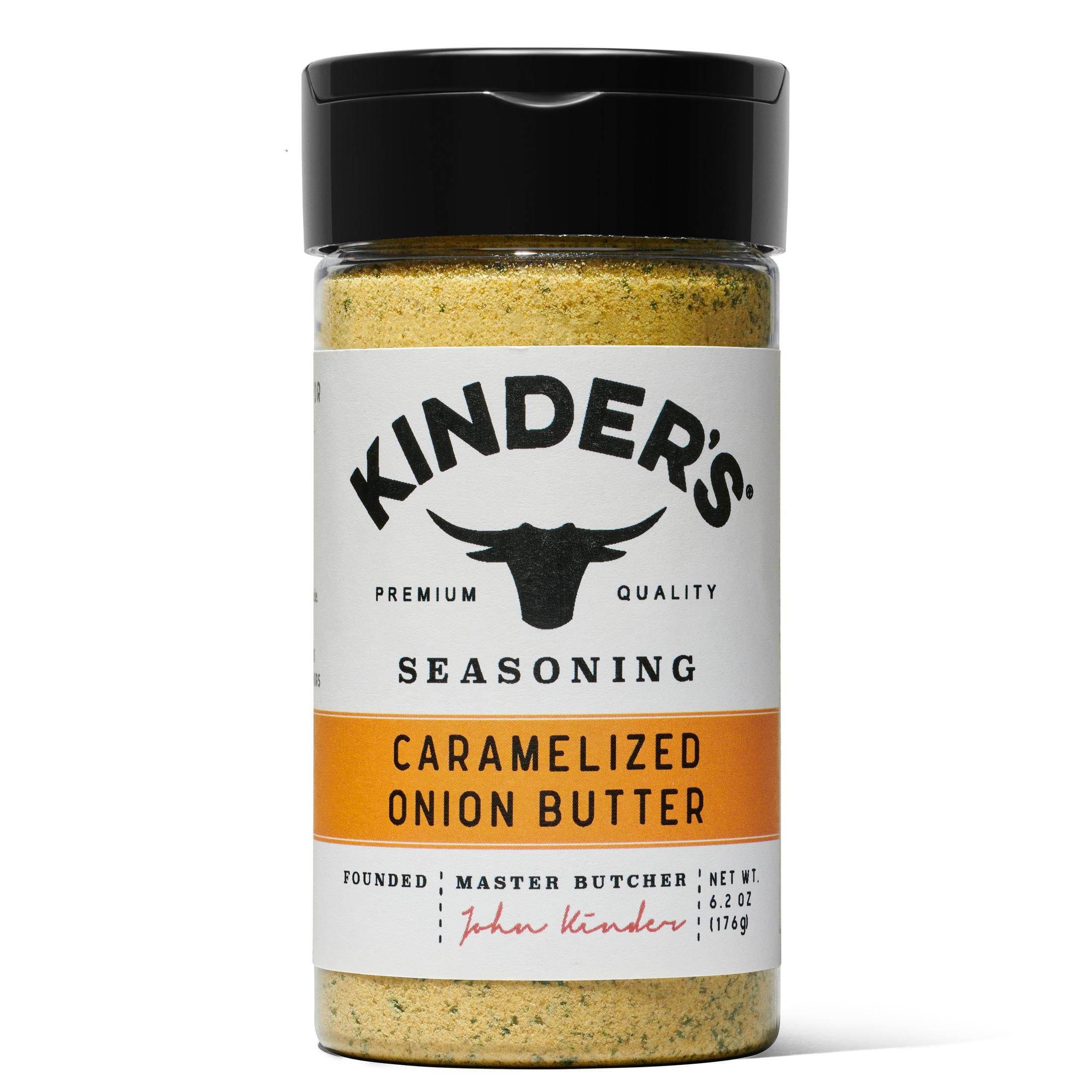


Caramelized Onion Butter Seasoning
Analysis updated July 2026 · How Scout scores
At a glance
Summary
This seasoning contains a mix of beneficial and harmful ingredients. While it includes natural components like sea salt, dehydrated onion, and parsley, it also contains refined sugars such as cane sugar and dextrose, which can contribute to health issues when consumed in excess. The product is moderately processed, which limits its score despite the presence of some wholesome ingredients.
Key ingredients 10
Sea SaltGood
Sea salt is a minimally processed source of sodium and trace minerals. It is harvested from evaporated seawater and retains natural minerals. Unlike refined table salt, it provides additional micronutrients.
Risks
Excessive sodium intake can lead to hypertension and cardiovascular issues.
Benefits
Provides essential sodium and trace minerals that are important for fluid balance and nerve function.
Dehydrated OnionGood
Dehydrated onion is a concentrated source of flavor and nutrients. It retains many of the beneficial compounds found in fresh onions, such as antioxidants. The dehydration process preserves these nutrients for longer shelf life.
Benefits
Rich in antioxidants and sulfur compounds that may support immune health and reduce inflammation.
ParsleyGood
Parsley is a fresh herb that adds flavor and nutrients to dishes. It is rich in vitamins A, C, and K, and contains antioxidants. Its use in seasoning provides both culinary and nutritional benefits.
Benefits
Rich in vitamins and antioxidants, supporting overall health.
Toasted OnionNeutral
Toasted onion adds flavor and aroma to foods. The toasting process enhances its flavor profile but may reduce some heat-sensitive nutrients. It is primarily used for its culinary properties.
Benefits
Enhances flavor and aroma in culinary applications.
Rice ConcentrateNeutral
Rice concentrate is used as an anti-caking agent in food products. It is derived from rice and is considered a natural alternative to synthetic additives. It does not significantly alter the nutritional profile of the product.
Benefits
Acts as a natural anti-caking agent, maintaining product texture.
Citric AcidNeutral
Citric acid is a natural preservative and flavor enhancer. It is commonly used to add acidity and preserve freshness in foods. While generally safe, excessive consumption can cause digestive discomfort.
Risks
May cause digestive discomfort in sensitive individuals when consumed in large amounts.
Benefits
Acts as a preservative and enhances flavor by adding acidity.
Cane SugarBad
Cane sugar is a refined sweetener that contributes to calorie intake without providing essential nutrients. It is processed to remove impurities and molasses, resulting in pure sucrose. Excessive consumption can lead to health issues such as obesity and diabetes.
Risks
High intake of refined sugars is associated with increased risk of obesity, type 2 diabetes, and dental cavities.
DextroseBad
Dextrose is a simple sugar derived from corn and is used as a sweetener. It is rapidly absorbed into the bloodstream, causing spikes in blood sugar levels. Its high glycemic index can be problematic for individuals with insulin sensitivity.
Risks
May contribute to blood sugar spikes and is linked to increased risk of metabolic disorders when consumed in excess.
MaltodextrinBad
Processed additive flagged under Scout's ingredient doctrine.
Risks
May cause blood sugar spikes and digestive issues in sensitive individuals.
Benefits
Provides a quick source of energy, but lacks essential nutrients.
Yeast ExtractBad
Concentrated glutamate source — MSG-adjacent flavor enhancer.
Risks
May cause reactions in individuals sensitive to glutamates.
Benefits
Enhances flavor and provides a source of B vitamins.
Processing
Processed Foods
Get the full breakdown in the Scout appTake Scout shopping
Scan any product to see lab results, healthy alternatives, and your personalized analysis.
Download on theApp Store GET IT ONGoogle PlayAmazon pricing & content
Amazon price as of . Product prices and availability are accurate as of the date/time indicated and are subject to change. Any price and availability information displayed on Amazon.com at the time of purchase will apply to the purchase of this product.
CERTAIN CONTENT THAT APPEARS ON THIS SITE COMES FROM AMAZON. THIS CONTENT IS PROVIDED “AS IS” AND IS SUBJECT TO CHANGE OR REMOVAL AT ANY TIME.