
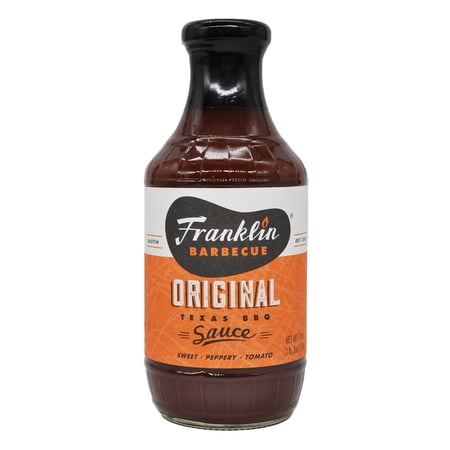


Franklin Barbecue Original Texas BBQ Sauce 18 OZ
Analysis updated August 2026 · How Scout scores
At a glance
Summary
This BBQ sauce contains a mix of beneficial ingredients like tomato puree, apple cider vinegar, and spices, which provide some nutritional benefits. However, it is heavily sweetened with refined sugars, including sugar, light brown sugar, and cane sugar, which contribute to high caloric content without essential nutrients. The product is processed, limiting its score due to the presence of multiple refined sugars and the overall level of processing.
Key ingredients 24
Tomato pureeGood
Tomato puree is a concentrated source of tomatoes, providing vitamins and antioxidants. It is minimally processed, retaining most of the nutritional benefits of fresh tomatoes. The lycopene content in tomatoes is linked to reduced risk of certain chronic diseases.
Benefits
Rich in vitamins A and C, and antioxidants like lycopene, which may support heart health and reduce inflammation.
Apple cider vinegarGood
Apple cider vinegar is known for its potential health benefits, including aiding digestion and supporting blood sugar control. It is made through a fermentation process that retains beneficial acetic acid. The presence of probiotics can support gut health.
Risks
Excessive consumption may lead to tooth enamel erosion due to its acidity.
Benefits
Contains acetic acid which may help improve digestion and regulate blood sugar levels.
SpicesGood
Whole-food seasonings, antioxidant-bearing.
Benefits
May provide antioxidants and enhance flavor without adding calories.
GarlicGood
Garlic is known for its potential health benefits, including antimicrobial properties and cardiovascular support. It contains sulfur compounds that may help reduce cholesterol levels. Fresh garlic is more beneficial than processed forms.
Risks
May cause digestive discomfort in some individuals when consumed in large amounts.
Benefits
Rich in antioxidants and sulfur compounds that support heart health and immune function.
Red pepperGood
Red pepper adds heat and flavor, and contains capsaicin, which may boost metabolism. It is a natural source of vitamins A and C. The capsaicin content can also provide anti-inflammatory benefits.
Risks
May cause irritation or discomfort in sensitive individuals.
Benefits
Contains capsaicin, which may support metabolism and provide anti-inflammatory effects.
CardamomGood
Cardamom is a spice with antioxidant properties and potential digestive benefits. It is used in small amounts for flavor and aroma. The essential oils in cardamom may support gastrointestinal health.
Benefits
Contains antioxidants and essential oils that may aid digestion and provide anti-inflammatory effects.
CloveGood
Clove is a spice rich in antioxidants and eugenol, which may have anti-inflammatory properties. It is used for flavor and has potential health benefits. The eugenol content can support oral health and reduce inflammation.
Risks
Excessive consumption may cause digestive issues or interact with medications.
Benefits
Rich in antioxidants and eugenol, supporting oral health and reducing inflammation.
Black pepperGood
Black pepper is a common spice that enhances flavor and may improve nutrient absorption. It contains piperine, which has antioxidant properties. Piperine may also enhance the bioavailability of certain nutrients.
Benefits
Contains piperine, which may improve nutrient absorption and provide antioxidant benefits.
Dried garlicGood
Dried garlic retains many of the health benefits of fresh garlic, including antimicrobial and cardiovascular support. It is a convenient form that provides similar sulfur compounds. The drying process concentrates the flavor and beneficial compounds.
Risks
May cause digestive discomfort in some individuals when consumed in large amounts.
Benefits
Rich in antioxidants and sulfur compounds that support heart health and immune function.
Chili powderGood
Chili powder adds heat and flavor, and contains capsaicin, which may boost metabolism. It is a blend of spices that can provide antioxidants. The capsaicin content can also provide anti-inflammatory benefits.
Risks
May cause irritation or discomfort in sensitive individuals.
Benefits
Contains capsaicin, which may support metabolism and provide anti-inflammatory effects.
CuminGood
Cumin is a spice with antioxidant properties and potential digestive benefits. It is used for flavor and aroma, and contains essential oils that may support gastrointestinal health. The presence of antioxidants can help reduce inflammation.
Benefits
Contains antioxidants and essential oils that may aid digestion and provide anti-inflammatory effects.
OreganoGood
Oregano is a herb rich in antioxidants and essential oils with potential antimicrobial properties. It is used for flavor and has health benefits due to its high antioxidant content. The essential oils in oregano may support immune function.
Benefits
Rich in antioxidants and essential oils that may support immune function and reduce inflammation.
AllspiceGood
Allspice is a spice with antioxidant properties and a unique flavor profile. It is used in small amounts for flavor and aroma. The antioxidants in allspice may help reduce inflammation and support overall health.
Benefits
Contains antioxidants that may support health and reduce inflammation.
Worcestershire sauceNeutral
Worcestershire sauce is a fermented condiment that adds flavor complexity. It contains a mix of ingredients like vinegar, molasses, and spices, which are generally safe in small amounts. The fermentation process can enhance flavor but does not significantly alter nutritional content.
Risks
Contains sodium, which should be monitored in high-sodium diets.
Benefits
Adds depth of flavor to dishes without significant nutritional impact.
Distilled vinegarNeutral
Distilled vinegar is a common acidic ingredient used for flavoring and preservation. It is made through fermentation and distillation, resulting in a clear, acidic liquid. While it has no significant nutritional value, it is generally safe in moderate amounts.
Risks
Excessive consumption may cause digestive discomfort due to its acidity.
MolassesNeutral
Standard formulation ingredient — neither beneficial nor harmful at typical use.
Risks
High sugar content may contribute to health issues if consumed in excess.
Benefits
Contains trace minerals like iron and calcium, offering some nutritional value.
WaterNeutral
Water is used as a solvent and to adjust the consistency of the sauce. It is a neutral ingredient with no caloric or nutritional impact. Its primary role is functional, aiding in the mixing and texture of the product.
See more about Water →SaltNeutral
Salt is used for seasoning and preservation, enhancing flavor. It is a common culinary ingredient but should be consumed in moderation to avoid health issues. Excessive sodium intake is linked to hypertension and cardiovascular diseases.
Risks
High sodium intake can lead to increased blood pressure and cardiovascular risks.
Benefits
Essential for maintaining fluid balance and nerve function in the body.
MustardNeutral
Mustard is used for flavoring and has minimal nutritional impact. It is made from mustard seeds, which contain some beneficial compounds. The processing into mustard sauce reduces its nutritional density.
Benefits
May provide some antioxidants and flavor enhancement.
Tamarind concentrateNeutral
Tamarind concentrate is used for its tangy flavor and contains some vitamins and minerals. It is a natural ingredient but is used in small amounts in sauces. The concentration process enhances flavor but reduces overall nutritional content.
Benefits
Provides a tangy flavor and contains some vitamins and minerals.
Citric acidNeutral
Citric acid is a natural preservative and flavor enhancer used in many foods. It is generally recognized as safe and is used to maintain freshness and acidity. While it has no nutritional value, it helps preserve the product.
Risks
Excessive consumption may cause digestive discomfort.
Benefits
Helps preserve freshness and enhance flavor without adding calories.
SugarBad
Refined sugar is a high-calorie sweetener with no essential nutrients. It is associated with increased risk of obesity, type 2 diabetes, and heart disease when consumed in excess. The processing removes any potential beneficial compounds found in natural sources.
Risks
High consumption can lead to weight gain, increased blood sugar levels, and dental cavities.
Light brown sugarBad
Light brown sugar is similar to refined sugar but contains a small amount of molasses. It provides calories without essential nutrients, contributing to health issues when overconsumed. The molasses content is minimal and does not significantly enhance nutritional value.
Risks
May contribute to weight gain and increased risk of metabolic disorders if consumed in large amounts.
Cane sugarBad
Cane sugar is a refined sweetener with high caloric content and no essential nutrients. It is associated with increased risk of obesity and metabolic disorders when consumed in excess. The refining process removes any potential beneficial compounds.
Risks
High consumption can lead to weight gain and increased risk of metabolic disorders.
Processing
Processed Foods
Get the full breakdown in the Scout appTake Scout shopping
Scan any product to see lab results, healthy alternatives, and your personalized analysis.
Download on theApp Store GET IT ONGoogle PlayAmazon pricing & content
Amazon price as of . Product prices and availability are accurate as of the date/time indicated and are subject to change. Any price and availability information displayed on Amazon.com at the time of purchase will apply to the purchase of this product.
CERTAIN CONTENT THAT APPEARS ON THIS SITE COMES FROM AMAZON. THIS CONTENT IS PROVIDED “AS IS” AND IS SUBJECT TO CHANGE OR REMOVAL AT ANY TIME.