
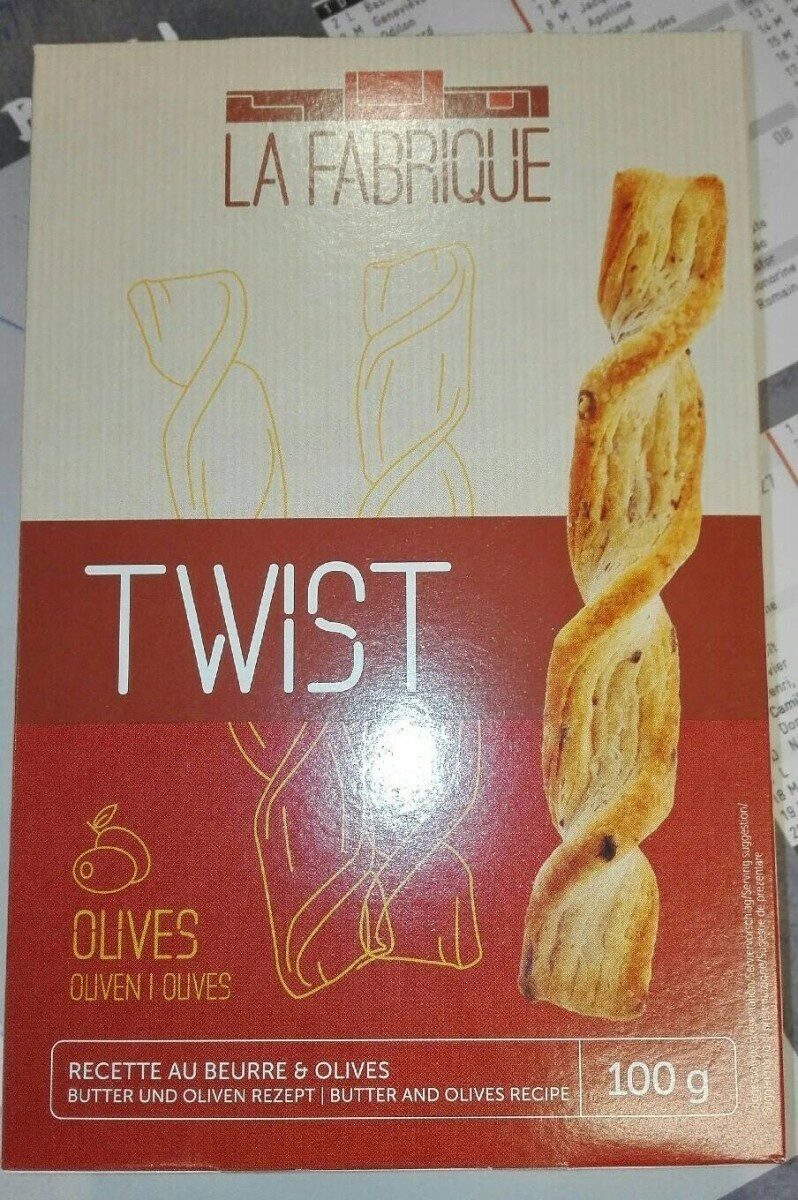
Twist aux Olives
Summary
This product contains beneficial ingredients like butter and black olives, which provide healthy fats and antioxidants. However, it is a processed food with added sugar, which detracts from its nutritional profile. The presence of refined wheat flour and sugar, along with its processing level, limits its overall healthiness.
At a glance
Key ingredients 8
Wheat flourNeutral
Wheat flour is a staple ingredient in many baked goods, providing structure and texture. It is a refined carbohydrate, which can lead to rapid spikes in blood sugar levels. Whole grain alternatives offer more fiber and nutrients compared to refined wheat flour.
Risks
May cause blood sugar spikes and is a common allergen for those with gluten sensitivity or celiac disease.
Benefits
Provides energy and is a versatile ingredient in baking, though it lacks significant nutritional benefits compared to whole grains.
ButterGood
Butter is a natural source of saturated fats and fat-soluble vitamins. It is minimally processed and can be part of a balanced diet when consumed in moderation. Grass-fed butter is particularly valued for its higher omega-3 and CLA content.
Risks
High in saturated fats, which may contribute to heart disease if consumed in excess.
Benefits
Rich in fat-soluble vitamins like A, D, E, and K, and provides a flavorful addition to foods.
Black olivesGood
Black olives are a source of healthy monounsaturated fats and antioxidants. They are minimally processed and can support heart health. The presence of polyphenols in olives may offer anti-inflammatory benefits.
Risks
High sodium content in processed olives can be a concern for those monitoring salt intake.
Benefits
Rich in monounsaturated fats and antioxidants, supporting heart health and reducing inflammation.
Skimmed milk powderNeutral
Skimmed milk powder is a dehydrated form of milk with reduced fat content. It provides protein and calcium but lacks the beneficial fats found in whole milk. It is often used in processed foods for its shelf stability.
Risks
May contain added sugars and is a common allergen for those with lactose intolerance.
Benefits
Provides protein and calcium, though it lacks the full nutritional profile of whole milk.
SaltNeutral
Salt is used to enhance flavor and preserve food. It is a refined ingredient that lacks the trace minerals found in unrefined salts. Excessive consumption can lead to health issues such as hypertension.
Risks
High sodium intake is linked to increased blood pressure and cardiovascular risk.
Benefits
Enhances flavor and acts as a preservative, though it offers no significant nutritional benefits.
YeastNeutral
Yeast is a microorganism used in baking to leaven dough. It is a natural ingredient that contributes to the texture and flavor of baked goods. Nutritional yeast, a different form, is valued for its B-vitamin content.
Benefits
Contributes to the leavening and flavor of baked goods, though it offers no significant nutritional benefits in this form.
Barley malt flourNeutral
Barley malt flour is used as a natural sweetener and flavor enhancer in baked goods. It is minimally processed and can add a subtle sweetness and color to products. It contains gluten, which may be a concern for those with sensitivities.
Risks
Contains gluten, which can be problematic for individuals with celiac disease or gluten intolerance.
Benefits
Adds natural sweetness and flavor to baked goods, though it offers limited nutritional benefits.
SugarBad
Sugar is a refined carbohydrate that provides quick energy but lacks nutritional value. Excessive consumption is linked to various health issues, including obesity and diabetes. It is often used in processed foods to enhance sweetness.
Risks
High intake is associated with increased risk of obesity, type 2 diabetes, and dental cavities.
Benefits
Provides quick energy, though it offers no significant nutritional benefits.
Processing
Processed Foods
Get the full breakdown in the Scout app
Scan any product to see lab results, healthy alternatives, and your personalized analysis.
Download on theApp Store