






At a glance
Summary
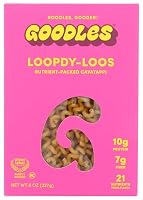
This product contains a variety of beneficial ingredients such as chickpea protein, broccoli, spinach, and kale, which contribute to its nutritional value. However, it is classified as ultra-processed due to the presence of sunflower oil and other processed components, which limits its overall health score. The inclusion of parmesan cheese and whey adds some nutritional benefits, but the processing level and presence of seed oil prevent a higher rating.
Key ingredients 24
Nutrients extracted from broccoliVery Good
Broccoli extracts provide concentrated nutrients such as vitamins C and K, and antioxidants. These extracts are beneficial for their anti-inflammatory and immune-supporting properties. The extraction process retains essential nutrients.
Benefits
Rich in antioxidants and vitamins that support overall health and immune function.
SpinachVery Good
Spinach is a nutrient-dense leafy green rich in vitamins A, C, and K, as well as iron and calcium. It is minimally processed and retains its nutritional profile. Spinach supports bone health and provides antioxidants.
Benefits
Provides essential vitamins and minerals, supporting bone health and offering antioxidant benefits.
KaleVery Good
Kale is a highly nutritious leafy green rich in vitamins A, C, and K, as well as antioxidants. It is minimally processed and retains its health benefits. Kale supports cardiovascular health and provides anti-inflammatory properties.
Benefits
Offers a rich source of vitamins and antioxidants, supporting heart health and reducing inflammation.
Chickpea proteinGood
Chickpea protein is a plant-based protein source rich in essential amino acids. It is minimally processed and offers a good alternative to animal proteins. It also contains fiber and micronutrients like iron and magnesium.
Benefits
Provides a high-quality plant-based protein source with additional fiber and micronutrients.
PumpkinGood
Pumpkin is a nutrient-rich vegetable high in beta-carotene, fiber, and vitamins. It is minimally processed and provides health benefits such as supporting eye health and digestion. The natural sugars in pumpkin are balanced by its fiber content.
Benefits
Rich in beta-carotene and fiber, supporting eye health and digestion.
Sweet potatoGood
Sweet potato is a nutritious root vegetable high in fiber, vitamins A and C, and antioxidants. It is minimally processed and supports immune function and gut health. The natural sugars are balanced by its fiber content.
Benefits
Provides fiber and essential vitamins, supporting immune function and gut health.
Sunflower seedGood
Sunflower seeds are a good source of healthy fats, protein, and vitamin E. They are minimally processed and provide antioxidant benefits. Sunflower seeds support heart health and provide anti-inflammatory properties.
Benefits
Rich in healthy fats and vitamin E, supporting heart health and reducing inflammation.
CranberryGood
Cranberries are rich in antioxidants and vitamin C, supporting urinary tract health. They are minimally processed and provide anti-inflammatory benefits. Cranberries can help prevent urinary tract infections.
Benefits
Provides antioxidants and vitamin C, supporting urinary tract health and reducing inflammation.
ChlorellaGood
Chlorella is a nutrient-dense algae rich in chlorophyll, vitamins, and minerals. It is minimally processed and supports detoxification and immune function. Chlorella provides a plant-based source of protein and essential nutrients.
Benefits
Rich in chlorophyll and nutrients, supporting detoxification and immune health.
Maitake mushroomGood
Maitake mushrooms are rich in beta-glucans and antioxidants, supporting immune health. They are minimally processed and provide anti-inflammatory benefits. Maitake mushrooms can enhance immune response and overall health.
Benefits
Provides beta-glucans and antioxidants, supporting immune health and reducing inflammation.
Shiitake mushroomGood
Shiitake mushrooms are rich in polysaccharides and antioxidants, supporting immune function. They are minimally processed and provide anti-inflammatory benefits. Shiitake mushrooms can enhance immune response and overall health.
Benefits
Rich in polysaccharides and antioxidants, supporting immune health and reducing inflammation.
CreamGood
Traditional whole-fat dairy ingredient.
Risks
High in saturated fats, which may impact heart health if consumed in excess.
Benefits
Provides texture and flavor, and contains fat-soluble vitamins like vitamin A.
Wheat proteinNeutral
Wheat protein, often in the form of gluten, is used to enhance texture and protein content. It is less complete in amino acids compared to animal proteins. It is suitable for those seeking plant-based protein options.
Risks
May cause issues for those with gluten intolerance or celiac disease.
Benefits
Contributes to protein content and improves texture in baked goods.
Parmesan cheeseNeutral
Parmesan cheese is a hard cheese rich in calcium and protein. It is aged and provides a distinct flavor but is high in sodium. The cheese is made from milk, salt, cultures, and enzymes.
Risks
High sodium content may be a concern for individuals with hypertension.
Benefits
Provides calcium and protein, supporting bone health and muscle function.
WheyNeutral
Liquid whey as a minor dairy ingredient — benign.
Risks
May cause allergic reactions in individuals with lactose intolerance.
Benefits
Provides a complete protein source, supporting muscle growth and repair.
Dried white misoNeutral
Dried white miso is a fermented soybean paste rich in umami flavor. It provides probiotics and supports gut health but is high in sodium. The fermentation process enhances its nutritional profile.
Risks
High sodium content may be a concern for individuals with hypertension.
Benefits
Provides probiotics and enhances gut health through fermentation.
ButterNeutral
Butter is a dairy product rich in saturated fats and provides flavor and texture. It is made from cream and salt and is minimally processed. Butter can be part of a balanced diet when consumed in moderation.
Risks
High in saturated fats, which may impact heart health if consumed in excess.
Benefits
Provides flavor and texture, and contains fat-soluble vitamins like vitamin A.
ButtermilkNeutral
Buttermilk is a fermented dairy product that provides probiotics and a tangy flavor. It is low in fat and supports gut health. The fermentation process enhances its nutritional profile.
Risks
May cause allergic reactions in individuals with lactose intolerance.
Benefits
Provides probiotics and supports gut health through fermentation.
SaltNeutral
Salt is used to enhance flavor and preserve food. It is a source of sodium, which is essential for fluid balance but should be consumed in moderation. Excessive intake can lead to health issues.
Risks
High sodium intake can contribute to hypertension and cardiovascular issues.
Benefits
Essential for fluid balance and nerve function when consumed in moderation.
Tapioca flourNeutral
Tapioca flour is a gluten-free starch used as a thickener and texture enhancer. It is derived from cassava root and is minimally processed. Tapioca flour is suitable for gluten-free diets.
Benefits
Provides a gluten-free alternative for thickening and texture enhancement.
Fermented rice extractNeutral
Fermented rice extract is used for flavor enhancement and may provide probiotics. It is derived from rice and rice malt through fermentation. The fermentation process can enhance its nutritional profile.
Benefits
May provide probiotics and enhance flavor through fermentation.
Lactic acidNeutral
Lactic acid is used as a preservative and flavor enhancer. It is naturally occurring and produced through fermentation. Lactic acid can support gut health by promoting beneficial bacteria.
Benefits
Supports gut health by promoting beneficial bacteria and enhancing flavor.
Wheat flourBad
Refined grain flour stripped of bran and germ.
Risks
May cause allergic reactions in individuals with gluten intolerance or celiac disease.
Benefits
Provides energy through carbohydrates and some protein content.
Sunflower oilVery Bad
Sunflower oil is a seed oil high in omega-6 fatty acids, which can promote inflammation. It is heavily processed and lacks the nutritional benefits of whole seeds. The high omega-6 content is a concern for balanced fatty acid intake.
Risks
High omega-6 content may promote inflammation when consumed in excess.
Processing
Ultra-Processed Foods
Get the full breakdown in the Scout appTake Scout shopping
Scan any product to see lab results, healthy alternatives, and your personalized analysis.
Download on theApp Store GET IT ONGoogle Play