

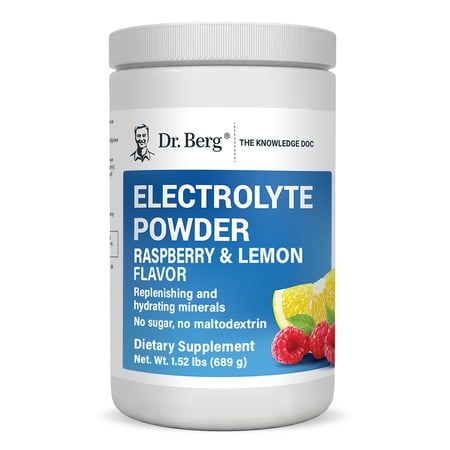
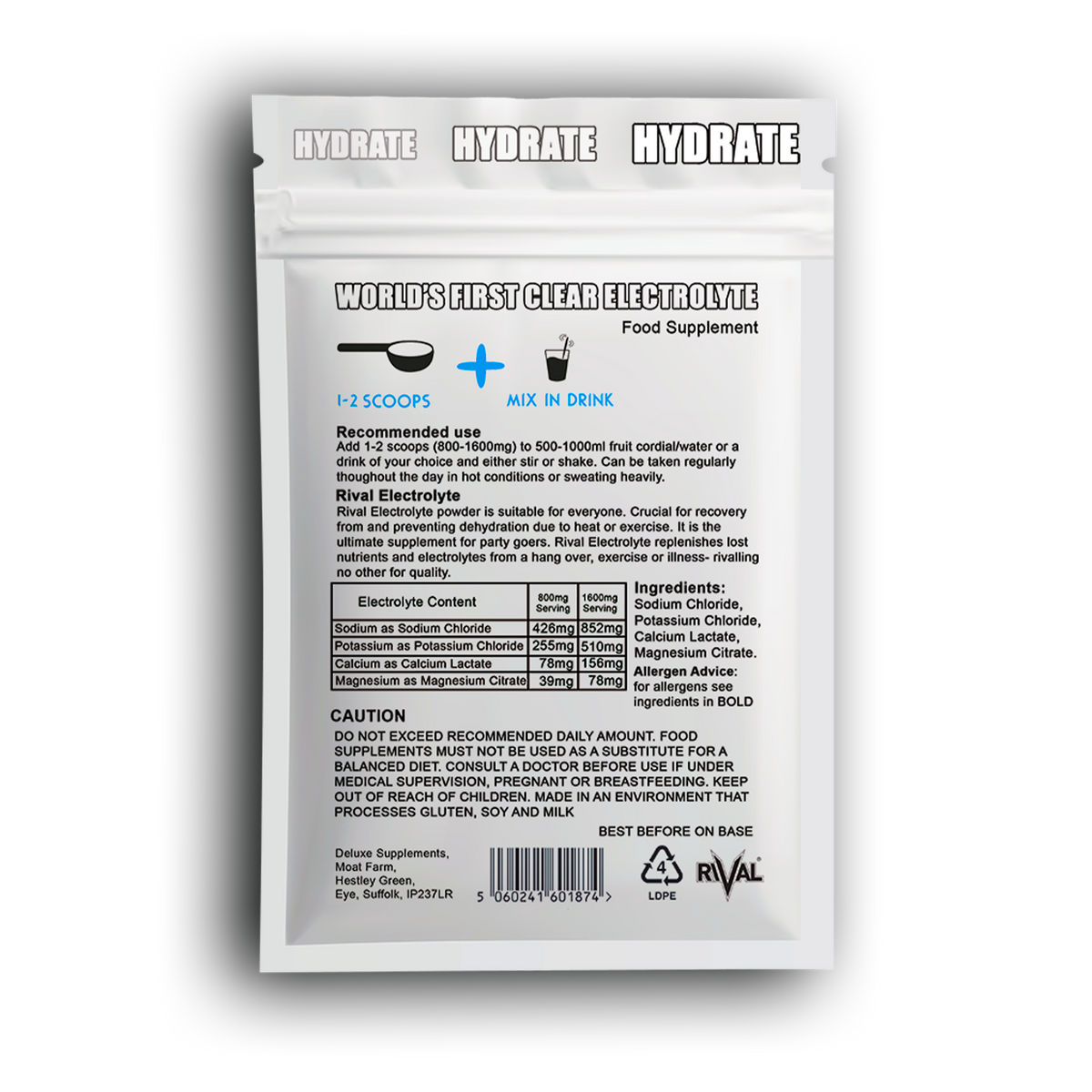


(lemon) - Isostar Hydrate And Perform Lemon Powder 400g. Free Delivery
Analysis updated October 2026 · How Scout scores
At a glance
Summary
This electrolyte powder contains beneficial ingredients like magnesium carbonate, sodium chloride, and potassium chloride, which support hydration and electrolyte balance. However, it also includes high levels of sucrose and glucose syrup, which are highly processed sugars that can contribute to excessive calorie intake and metabolic issues. The presence of natural lemon flavor, which can be highly processed and lacks transparency, further impacts the overall formulation quality.
Key ingredients 13
Magnesium CarbonateGood
Magnesium carbonate is used as a magnesium supplement and to regulate acidity. It is beneficial for muscle function and energy production. It is a natural source of magnesium, which is essential for various bodily functions.
Risks
Excessive intake can cause digestive issues such as diarrhea.
Benefits
Supports muscle and nerve function, and helps maintain energy levels.
Ascorbic AcidGood
Ascorbic acid, or vitamin C, is an antioxidant that supports immune function and skin health. It is a natural vitamin essential for collagen synthesis and protection against oxidative stress.
Risks
High doses may cause gastrointestinal discomfort.
Benefits
Boosts immune function and acts as an antioxidant, protecting cells from damage.
Vitamin B1Good
Vitamin B1, or thiamine, is essential for energy metabolism and nerve function. It is a natural vitamin that supports the conversion of carbohydrates into energy.
Benefits
Supports energy production and proper nerve function.
CarotenoidsGood
Carotenoids are natural pigments with antioxidant properties that support eye health. They are beneficial for reducing oxidative stress and promoting healthy vision.
Benefits
Supports eye health and provides antioxidant protection.
Citric AcidNeutral
Citric acid is a natural acidulant used to enhance flavor and preserve freshness. It is generally recognized as safe and is naturally found in citrus fruits. It does not provide significant nutritional benefits.
Risks
Excessive consumption may cause dental erosion due to its acidic nature.
Benefits
Helps enhance flavor and preserve the product by preventing microbial growth.
Sodium CitrateNeutral
Sodium citrate is used as an acidity regulator and to enhance flavor. It is a salt of citric acid and is generally considered safe. It does not offer significant health benefits.
Benefits
Helps maintain the stability and flavor of the product.
Calcium Salts Of Orthophosphoric AcidNeutral
These salts are used to provide calcium and regulate acidity. They are generally safe but do not offer significant health benefits beyond calcium supplementation.
Risks
Excessive intake may lead to imbalances in mineral absorption.
Benefits
Contributes to calcium intake, supporting bone health.
Sodium ChlorideNeutral
Standard formulation ingredient — neither beneficial nor harmful at typical use.
Risks
Excessive consumption can lead to high blood pressure and cardiovascular issues.
Benefits
Essential for maintaining electrolyte balance and proper hydration.
Potassium ChlorideNeutral
Standard formulation ingredient — neither beneficial nor harmful at typical use.
Risks
High doses can cause hyperkalemia, especially in individuals with kidney issues.
Benefits
Supports heart health and muscle function by maintaining electrolyte balance.
SucroseBad
Sucrose is a simple sugar that can contribute to excessive calorie intake and potential weight gain. It is highly processed and lacks nutritional value beyond providing energy. High consumption of sucrose is linked to increased risk of metabolic disorders.
Risks
Excessive intake of sucrose can lead to obesity, insulin resistance, and dental cavities.
Benefits
Sucrose provides a quick source of energy, which can be beneficial during intense physical activity.
Glucose SyrupBad
Glucose syrup is a concentrated source of glucose, often used as a sweetener and thickener. It is highly processed and can contribute to rapid spikes in blood sugar levels. Overconsumption may lead to metabolic issues.
Risks
High intake of glucose syrup can increase the risk of obesity and type 2 diabetes.
Benefits
Provides a rapid source of energy, useful for athletes during prolonged exercise.
MaltodextrinBad
Processed additive flagged under Scout's ingredient doctrine.
Risks
May cause spikes in blood sugar levels, especially in individuals with insulin sensitivity.
Benefits
Provides a quick source of energy, which can be beneficial during athletic performance.
Natural Lemon FlavorBad
Natural flavors are often used to enhance taste but can be highly processed and lack transparency in sourcing. They may contain additives not disclosed on the label.
Risks
Potential for undisclosed additives and allergens.
Benefits
Enhances the flavor profile of the product.
Processing
Ultra-Processed Foods
Get the full breakdown in the Scout appTake Scout shopping
Scan any product to see lab results, healthy alternatives, and your personalized analysis.
Download on theApp Store GET IT ONGoogle Play