


At a glance
Summary
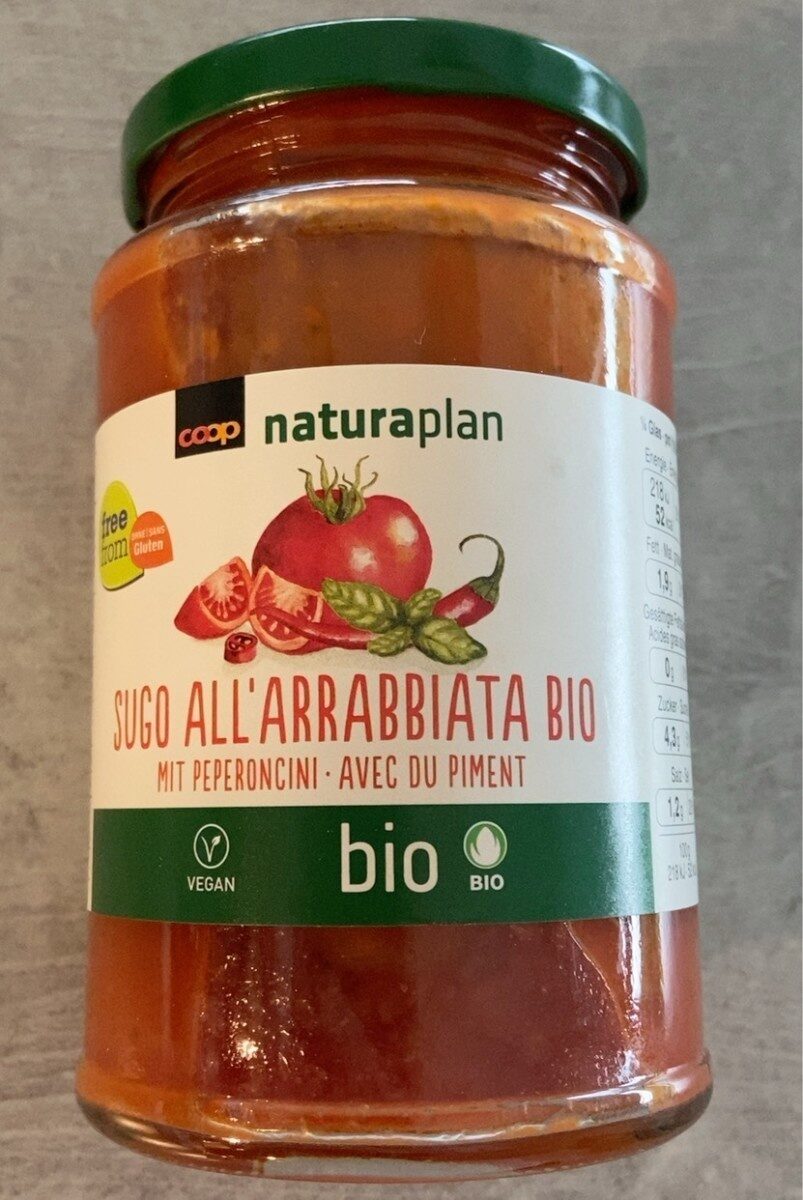
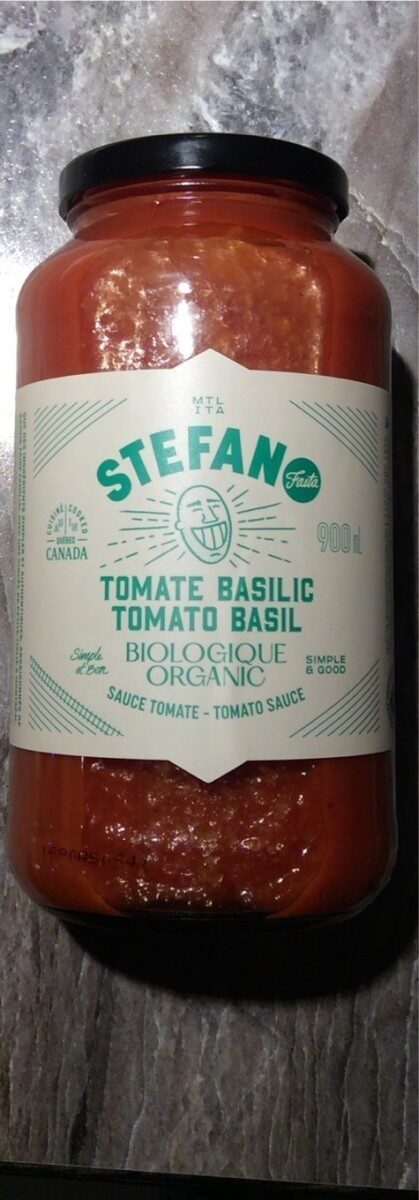
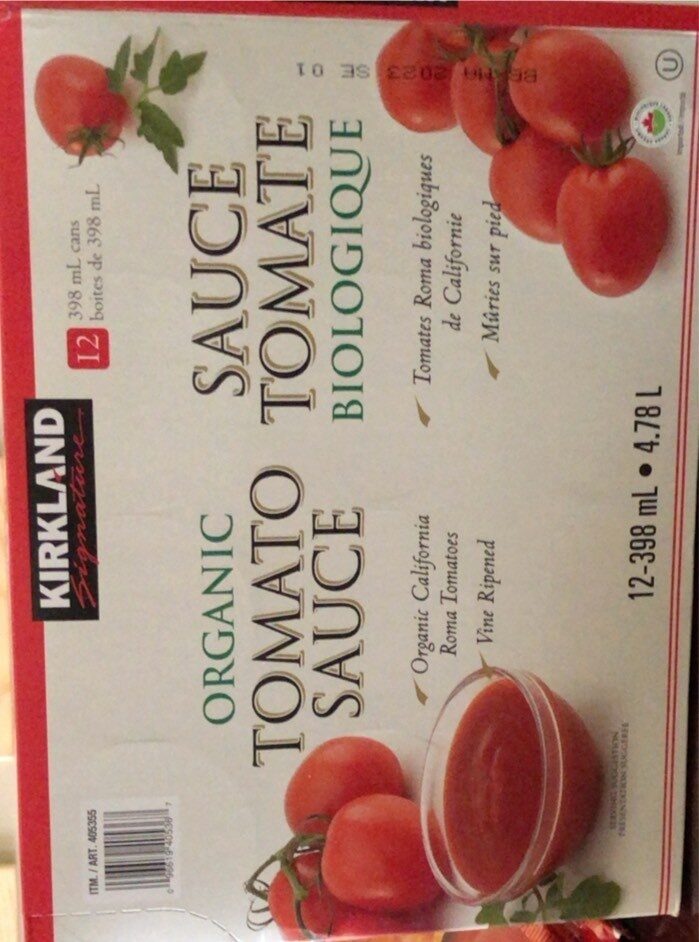
This sauce contains beneficial ingredients like tomatoes and tomato puree, which are rich in nutrients and antioxidants. However, the presence of sunflower oil, a seed oil high in omega-6 fatty acids, is a concern due to its potential inflammatory effects. The product is moderately processed, which limits its health score despite the use of some quality ingredients.
Key ingredients 9
TomatoesGood
Tomatoes are a rich source of vitamins, minerals, and antioxidants, particularly lycopene. They are minimally processed and provide essential nutrients that support overall health. The use of Italian tomatoes suggests a focus on quality and flavor.
Benefits
Rich in antioxidants like lycopene, which may reduce the risk of chronic diseases and support heart health.
Tomato pureeGood
Tomato puree is a concentrated form of tomatoes, providing a dense source of nutrients and antioxidants. It is typically made by cooking and straining tomatoes, preserving their beneficial compounds. This ingredient enhances the flavor and nutritional profile of the sauce.
Benefits
Provides a concentrated source of vitamins and antioxidants, supporting immune function and reducing inflammation.
Sea saltGood
Sea salt is a natural source of sodium and trace minerals, enhancing flavor without excessive processing. It is considered a healthier alternative to refined table salt. The use of sea salt suggests a focus on natural ingredients.
Risks
Excessive sodium intake can lead to high blood pressure and cardiovascular issues.
Benefits
Provides essential minerals and enhances flavor naturally.
PaprikaGood
Beneficial ingredient — whole-food or functional value in this product class.
Benefits
Contains antioxidants and adds flavor and color to the sauce.
WaterNeutral
Water is used as a solvent and to adjust the consistency of the sauce. It is a neutral ingredient with no direct nutritional impact. Its presence ensures the sauce has the desired texture and thickness.
See more about Water →Corn starchNeutral
Corn starch is used as a thickening agent in sauces and has no significant nutritional value. It is a refined carbohydrate that provides texture without adding flavor. Its use is common in processed foods to achieve desired consistency.
See more about Corn starch →Chili peppersNeutral
Chili peppers add heat and flavor to the sauce, containing capsaicin which may have health benefits. They are used in small quantities and contribute to the sauce's spiciness. The nutritional impact is minimal due to the low concentration.
Risks
May cause digestive discomfort in sensitive individuals.
Benefits
Contains capsaicin, which may boost metabolism and provide anti-inflammatory effects.
BasilNeutral
Basil is an herb that adds flavor and aroma to the sauce, with minimal nutritional impact. It is used primarily for its culinary properties. The presence of basil enhances the sauce's taste profile.
Benefits
Provides aromatic compounds that enhance flavor.
Sunflower oilVery Bad
Sunflower oil is a seed oil high in omega-6 fatty acids, which can promote inflammation when consumed in excess. It is often processed using high heat and chemicals, which may degrade its nutritional quality. This ingredient is considered unhealthy due to its potential impact on inflammation and heart health.
Risks
High omega-6 content may promote inflammation and negatively affect heart health when consumed in excess.
Processing
Processed Foods
Get the full breakdown in the Scout appTake Scout shopping
Scan any product to see lab results, healthy alternatives, and your personalized analysis.
Download on theApp Store GET IT ONGoogle Play