
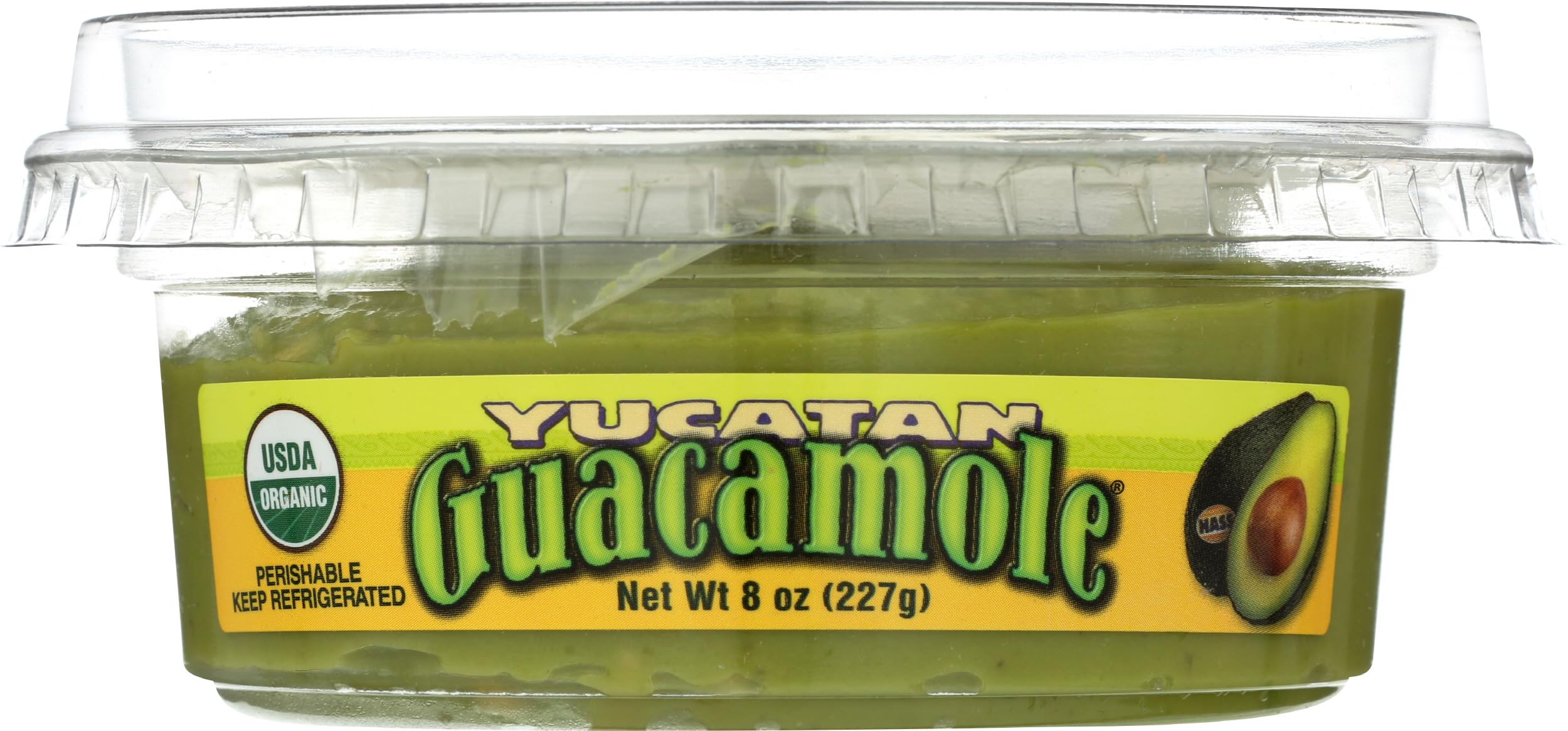


At a glance
Summary
This guacamole contains beneficial ingredients like Hass avocado, which provides healthy fats and essential nutrients, along with onions, red bell peppers, garlic, and jalapeno peppers that add flavor and nutritional value. However, the presence of added sugar and its classification as an ultra-processed product limit its health score. The use of additives like xanthan gum and citric acid further contributes to its processing level, impacting the overall rating.
Key ingredients 11
Hass avocadoVery Good
Hass avocado is a rich source of healthy monounsaturated fats and essential nutrients. It provides fiber, vitamins, and minerals that support heart health and overall wellness. The natural fats in avocados are beneficial for reducing inflammation and improving cholesterol levels.
Benefits
Rich in monounsaturated fats that support heart health and provide anti-inflammatory properties. Contains fiber and essential nutrients like potassium and vitamin E.
OnionGood
Onions are a natural source of antioxidants and have anti-inflammatory properties. They contain compounds that may support heart health and reduce the risk of certain diseases. Onions add flavor and nutritional value to dishes.
Risks
May cause digestive discomfort in some individuals when consumed in large quantities.
Benefits
Rich in antioxidants and beneficial compounds that support heart health and immune function.
Red bell pepperGood
Red bell peppers are high in vitamins A and C, providing antioxidant benefits. They contribute to immune support and skin health. Their vibrant color indicates a high nutrient content.
Benefits
High in vitamins A and C, supporting immune function and skin health.
GarlicGood
Garlic is known for its potential health benefits, including cardiovascular support and immune boosting properties. It contains allicin, which has antimicrobial effects. Garlic adds flavor and health benefits to dishes.
Risks
May cause digestive discomfort or allergic reactions in some individuals.
Benefits
Contains allicin, which may support heart health and has antimicrobial properties.
Jalapeno pepperGood
Jalapeno peppers add spice and contain capsaicin, which may have metabolism-boosting effects. They are low in calories and provide vitamins A and C. Capsaicin is also studied for its potential pain-relief properties.
Risks
May cause digestive discomfort or irritation in sensitive individuals.
Benefits
Contains capsaicin, which may boost metabolism and provide pain relief.
Ascorbic acidGood
Vitamin C — beneficial even when serving as a preservative.
Benefits
Helps maintain freshness and prevent oxidation in food products.
CilantroGood
Cilantro is an herb that adds flavor and contains antioxidants. It may support digestion and has potential detoxifying properties. Cilantro is used in various cuisines for its fresh taste and health benefits.
Benefits
Contains antioxidants and may support digestion and detoxification.
SaltNeutral
Salt is used to enhance flavor and preserve food. It is a common ingredient in many processed foods. While necessary for bodily functions, excessive intake can lead to health issues such as hypertension.
Risks
High sodium intake can contribute to hypertension and cardiovascular diseases.
Benefits
Provides essential sodium needed for nerve and muscle function.
Xanthan gumNeutral
Xanthan gum is used as a thickening and stabilizing agent in foods. It is derived from fermented sugars and is common in processed foods. While generally safe, it can cause digestive issues in some people.
Risks
May cause digestive discomfort or bloating in sensitive individuals.
Benefits
Provides texture and stability to food products without significant nutritional benefits.
Citric acidNeutral
Citric acid is used to maintain freshness and enhance flavor in foods. It is a natural acid found in citrus fruits and is widely used in food processing. It helps preserve the color and taste of food products.
Benefits
Helps maintain freshness and enhance flavor in food products.
SugarBad
Refined sugar is added for sweetness but offers no nutritional benefits. It can contribute to weight gain and metabolic issues when consumed in excess. Its presence in processed foods is often linked to increased calorie intake.
Risks
Excessive consumption can lead to obesity, type 2 diabetes, and dental problems.
Processing
Ultra-Processed Foods
Get the full breakdown in the Scout appTake Scout shopping
Scan any product to see lab results, healthy alternatives, and your personalized analysis.
Download on theApp Store GET IT ONGoogle Play