



At a glance
Summary
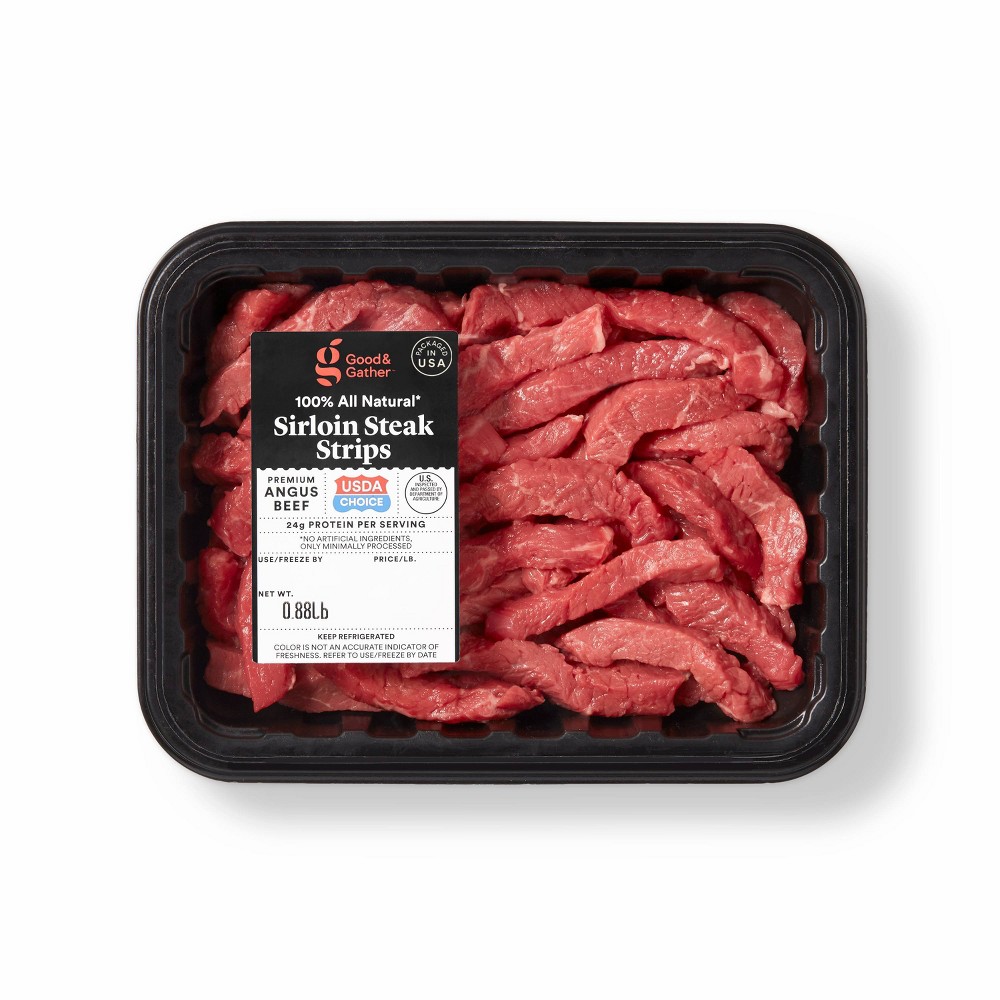
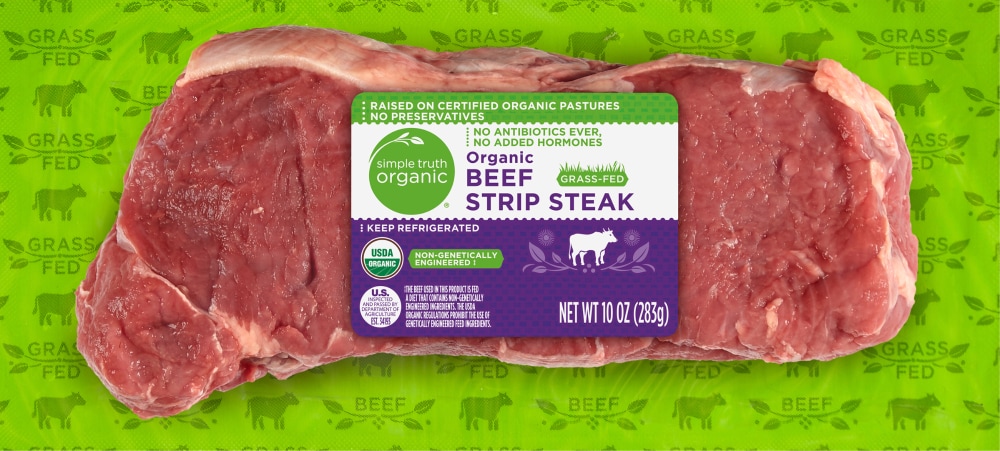
This beef steak strip is a processed product with a relatively clean ingredient list, featuring high-quality beef and beneficial spices like garlic. However, the presence of added sugars contributes to a higher sugar content, which can impact metabolic health. The processing level limits the score, but the absence of seed oils and artificial additives helps maintain a moderate rating.
Key ingredients 8
BeefGood
Beef is a high-quality source of complete protein, providing all essential amino acids. It is rich in iron, zinc, and B vitamins, which are crucial for energy production and immune function. Grass-fed beef is preferred for its higher omega-3 content and better fat profile.
Risks
Excessive consumption of red meat may be linked to increased risk of certain diseases. Ensure moderation and balance with other protein sources.
Benefits
Provides essential nutrients like iron and B vitamins, supporting muscle growth and overall health. Grass-fed options offer additional omega-3 benefits.
Sea saltGood
Sea salt is a minimally processed source of sodium and trace minerals. It is often preferred over refined table salt for its mineral content. Sea salt can enhance flavor without the need for excessive additives.
Risks
Excessive sodium intake can lead to hypertension and cardiovascular issues. Moderation is key.
Benefits
Contains trace minerals that may support electrolyte balance and overall health.
Apple cider vinegarGood
Beneficial ingredient — whole-food or functional value in this product class.
Risks
Overconsumption may lead to digestive discomfort or tooth enamel erosion.
Benefits
May support digestion and provide beneficial acetic acid, though benefits are not conclusively proven.
SpicesGood
Whole-food seasonings, antioxidant-bearing.
Benefits
May offer antioxidants and enhance flavor without adding calories.
GarlicGood
Garlic is known for its potential cardiovascular benefits and immune-boosting properties. It contains allicin, which may help reduce cholesterol and blood pressure. Fresh garlic is preferred for maximum health benefits.
Risks
May cause digestive discomfort in some individuals when consumed in large amounts.
Benefits
Supports heart health and immune function with its active compounds like allicin.
Ascorbic acidGood
Vitamin C — beneficial even when serving as a preservative.
Benefits
Supports immune health and acts as an antioxidant, though benefits are more pronounced in whole food sources.
SodiumNeutral
Sodium is an essential mineral for fluid balance and nerve function. It is often added to foods for flavor and preservation. While necessary, excessive intake is a concern for cardiovascular health.
Risks
High sodium intake is linked to increased risk of hypertension and cardiovascular diseases.
Benefits
Essential for maintaining fluid balance and nerve function, but should be consumed in moderation.
SugarsBad
Sugars, including brown sugar and cane sugar, contribute to added sugar intake, which can lead to health issues like obesity and diabetes. Pineapple juice concentrate is a more natural source but still adds sugar content. Excessive sugar consumption is a concern for metabolic health.
Risks
High sugar intake is associated with increased risk of obesity, type 2 diabetes, and dental cavities.
Benefits
Provides quick energy but should be consumed in moderation to avoid negative health impacts.
Processing
Processed Foods
Get the full breakdown in the Scout appTake Scout shopping
Scan any product to see lab results, healthy alternatives, and your personalized analysis.
Download on theApp Store GET IT ONGoogle Play