
Yogur Natural
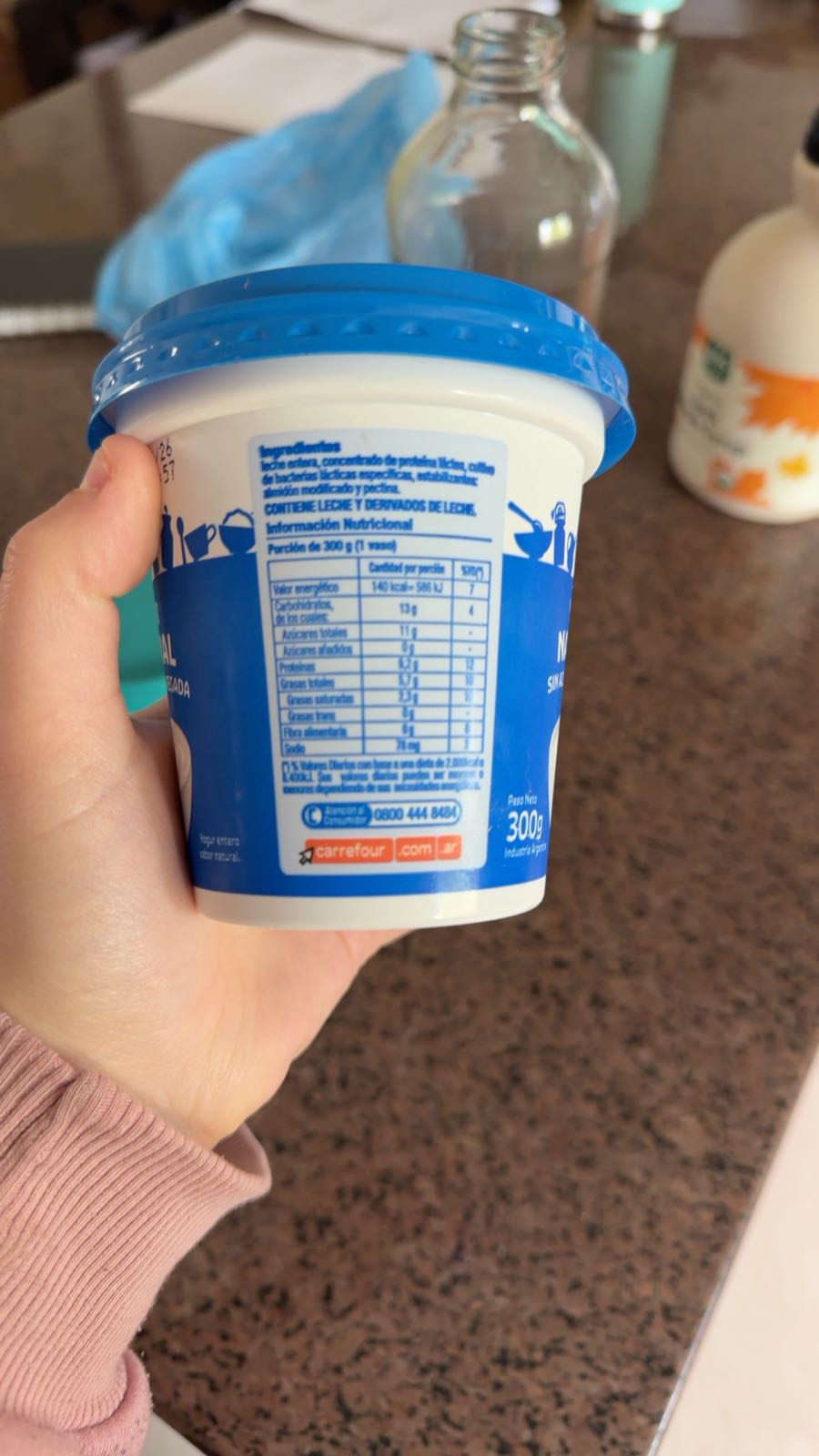
At a glance
Summary
This yogurt contains whole milk, which is a beneficial ingredient providing essential nutrients. However, the presence of stabilizers and modified starch indicates a higher level of processing, which detracts from its natural quality. These additives are used to enhance texture and shelf-life but can reduce the overall nutritional value compared to less processed options.
Key ingredients 6
Whole milkGood
Whole milk is a natural source of essential nutrients like calcium and vitamin D. It provides a balanced profile of fats, proteins, and carbohydrates. The presence of healthy fats supports nutrient absorption and overall health.
Risks
May cause lactose intolerance symptoms in sensitive individuals.
Benefits
Rich in calcium and vitamin D, supporting bone health and providing essential nutrients for overall well-being.
Milk protein concentrateGood
Beneficial ingredient — whole-food or functional value in this product class.
Risks
May cause allergic reactions in individuals with milk protein allergies.
Benefits
Provides a concentrated source of high-quality protein, beneficial for muscle maintenance and repair.
Specific lactic culturesNeutral
Specific lactic cultures are used to ferment milk, turning it into yogurt. They contribute to the development of yogurt's texture and flavor. These cultures are essential for the probiotic benefits associated with yogurt.
Benefits
Supports gut health by promoting beneficial bacteria in the digestive system.
PectinNeutral
Pectin is a natural polysaccharide used as a gelling agent. It is derived from fruits and is commonly used in jams and jellies. In yogurt, it helps improve texture without significant health concerns.
Benefits
May aid in digestion and provide a source of dietary fiber.
StabilizersBad
Stabilizers are added to improve the texture and shelf-life of yogurt. They are often synthetic and can detract from the natural quality of the product. Overuse of stabilizers can indicate a highly processed product.
Risks
May cause digestive discomfort in sensitive individuals.
Benefits
Helps maintain product consistency and extend shelf-life.
Modified starchBad
Modified starch is used as a thickening agent in processed foods. It is chemically altered to improve its functional properties. This processing can reduce the nutritional value compared to natural starches.
Risks
May contribute to blood sugar spikes due to its high glycemic index.
Benefits
Provides texture and stability to the product.
Processing
Processed Foods
Get the full breakdown in the Scout appTake Scout shopping
Scan any product to see lab results, healthy alternatives, and your personalized analysis.
Are you Carrefour? Fix an error Get the badge Get tested


