
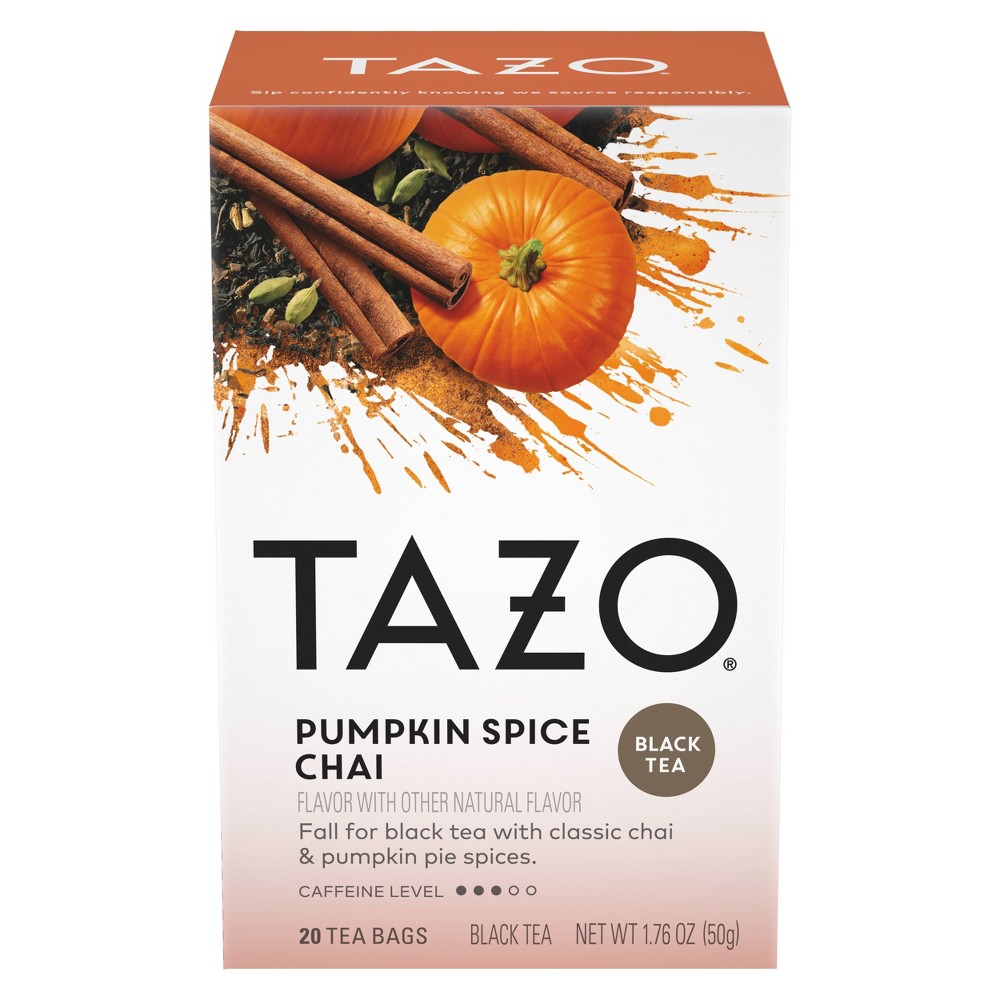




Tazo Chai Pumpkin Spice Black Tea Bags - 20ct
Analysis updated August 2026 · How Scout scores
At a glance
Summary
This tea blend contains beneficial spices like cinnamon, ginger, and cardamom, which offer antioxidant and anti-inflammatory properties. However, the presence of 'natural flavors' introduces a level of processing and lack of transparency that detracts from its overall healthiness. Despite being ultra-processed, the absence of artificial additives and seed oils helps maintain a moderate score.
Key ingredients 8
Black TeaVery Good
Black tea is rich in antioxidants, particularly polyphenols, which can help reduce inflammation and support heart health. The fermentation process enhances its flavor and antioxidant profile. It is a staple in many diets and provides a moderate amount of caffeine for alertness.
Risks
Excessive consumption may lead to caffeine-related side effects such as insomnia or increased heart rate.
Benefits
Contains antioxidants that may improve heart health and reduce the risk of chronic diseases.
GingerVery Good
Ginger is well-regarded for its anti-inflammatory and antioxidant effects, which can aid in digestion and reduce nausea. It is a common remedy for gastrointestinal discomfort and has been studied for its potential to lower blood sugar levels. The spice adds a zesty, warming flavor to teas.
Benefits
Supports digestive health and may reduce inflammation.
CinnamonGood
Cinnamon is known for its anti-inflammatory and antioxidant properties, which can support metabolic health. It is often used in traditional medicine for its potential to regulate blood sugar levels. The spice adds a warm, sweet flavor to beverages.
Risks
High doses may cause liver damage due to coumarin content in some varieties.
Benefits
May help regulate blood sugar levels and has anti-inflammatory properties.
Licorice RootGood
Licorice root is traditionally used for its soothing effects on the digestive system and its potential to reduce inflammation. It contains glycyrrhizin, which can have beneficial effects on the immune system. The root adds a sweet flavor without added sugars.
Risks
Excessive consumption can lead to increased blood pressure and potassium imbalance.
Benefits
May soothe digestive issues and support immune health.
ClovesGood
Cloves are rich in antioxidants and have antimicrobial properties, which can support oral health and reduce inflammation. They are often used in traditional medicine for their potential to relieve pain and improve digestion. The spice adds a strong, aromatic flavor to beverages.
Risks
High consumption may cause gastrointestinal irritation.
Benefits
May support oral health and provide antioxidant benefits.
Black PepperGood
Black pepper contains piperine, which enhances nutrient absorption and has anti-inflammatory properties. It is often used to improve the bioavailability of other nutrients and spices. The spice adds a pungent, spicy flavor to teas.
Risks
Excessive intake may cause gastrointestinal discomfort.
Benefits
Enhances nutrient absorption and has anti-inflammatory effects.
CardamomGood
Cardamom is known for its antioxidant and anti-inflammatory properties, which can support digestive health and improve oral hygiene. It is often used in traditional medicine to treat various ailments. The spice adds a sweet, floral flavor to beverages.
Benefits
May improve digestion and support oral health.
Natural FlavorsBad
Natural flavors are often used to enhance taste but can be a catch-all term for a variety of substances, some of which may not be disclosed. They are highly processed and can contain solvents and preservatives. This lack of transparency can be concerning for consumers seeking clean labels.
Risks
Potential allergens or sensitivities due to undisclosed components.
Processing
Ultra-Processed Foods
Get the full breakdown in the Scout appTake Scout shopping
Scan any product to see lab results, healthy alternatives, and your personalized analysis.
Download on theApp Store GET IT ONGoogle Play