


At a glance
Summary
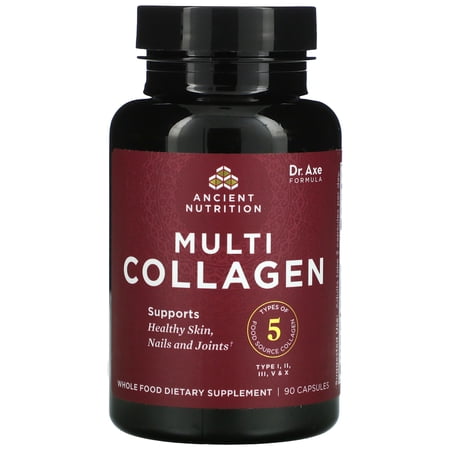
This collagen supplement contains beneficial ingredients like hydrolyzed collagen, vitamin C, and hyaluronic acid, which support skin and joint health. However, it also includes several concerning additives such as sucralose, sodium benzoate, and maltodextrin, which are associated with potential health risks like insulin resistance and hyperactivity. The presence of vague 'flavors' and artificial sweeteners further detracts from its overall formulation quality.
Key ingredients 13
Hydrolyzed CollagenGood
Hydrolyzed collagen is beneficial for skin, joint, and bone health due to its amino acid profile. It is processed to improve absorption and bioavailability. Compared to other protein sources, it provides specific peptides that support connective tissue.
Benefits
Supports skin elasticity, joint health, and may improve bone density.
Vitamin CGood
Vitamin C is an essential nutrient that supports immune function and acts as an antioxidant. It is crucial for collagen synthesis and skin health. It enhances iron absorption and protects against oxidative stress.
Benefits
Supports immune health and collagen production.
Hyaluronic AcidGood
Hyaluronic acid is beneficial for skin hydration and joint lubrication. It is naturally present in the body and helps retain moisture. It is often used in supplements for its anti-aging and joint health benefits.
Benefits
Promotes skin hydration and joint health.
WaterNeutral
Water is a neutral ingredient used as a solvent and carrier for other ingredients. It does not contribute any nutritional value but is essential for the liquid form of the product. No significant health impacts are associated with water in this context.
See more about Water →Citric AcidNeutral
Citric acid is used as a preservative and flavor enhancer in many foods and supplements. It is naturally found in citrus fruits and is generally recognized as safe. It helps maintain product stability and freshness.
Benefits
Helps preserve the product and enhance flavor.
Xanthan GumNeutral
Xanthan gum is a thickening agent that improves texture and stability in food products. It is produced by fermenting sugars with bacteria. It is generally considered safe but may cause digestive issues in sensitive individuals.
Risks
May cause digestive discomfort in some individuals.
Benefits
Improves texture and stability of the product.
Silicon DioxideNeutral
Silicon dioxide is used as an anti-caking agent to prevent clumping in powdered products. It is naturally occurring and considered safe in small amounts. It does not contribute any nutritional value.
Benefits
Prevents clumping and improves product consistency.
FructoseBad
Fructose is a simple sugar that can contribute to increased blood sugar levels and insulin resistance when consumed in excess. It is often used as a sweetener in processed foods. Overconsumption may lead to metabolic issues and weight gain.
Risks
Excessive intake may lead to insulin resistance and metabolic syndrome.
Benefits
Provides a quick source of energy but should be consumed in moderation.
FlavorsBad
The term 'flavors' is vague and can include a variety of synthetic or natural compounds. Lack of transparency makes it difficult to assess safety and health impacts. It may contain artificial components that some consumers prefer to avoid.
Risks
Potential for containing artificial additives that may cause allergic reactions or other health concerns.
Sodium BenzoateBad
Sodium benzoate is a preservative that can form benzene, a carcinogen, when combined with vitamin C under certain conditions. It is used to prevent microbial growth in acidic foods. Concerns exist about its potential to cause hyperactivity in children.
Risks
May form benzene in the presence of vitamin C, posing a cancer risk.
Benefits
Extends shelf life by preventing microbial growth.
Potassium SorbateBad
Synthetic preservative — flagged in daily-use products.
Benefits
Helps prevent spoilage and extend shelf life.
MaltodextrinBad
Maltodextrin is a highly processed carbohydrate used as a filler and thickener. It has a high glycemic index and can spike blood sugar levels. It is often used in processed foods to improve texture and shelf life.
Risks
May cause rapid blood sugar spikes and contribute to insulin resistance.
Benefits
Provides a quick source of energy but lacks nutritional value.
SucraloseBad
Sucralose is an artificial sweetener that provides sweetness without calories. It is chemically altered to be non-caloric but may affect gut health and insulin response. Concerns exist about its long-term health impacts.
Risks
May alter gut microbiota and affect insulin sensitivity.
Benefits
Provides sweetness without adding calories.
Processing
Processed Foods
Get the full breakdown in the Scout appTake Scout shopping
Scan any product to see lab results, healthy alternatives, and your personalized analysis.
Download on theApp Store GET IT ONGoogle Play