


At a glance
Summary
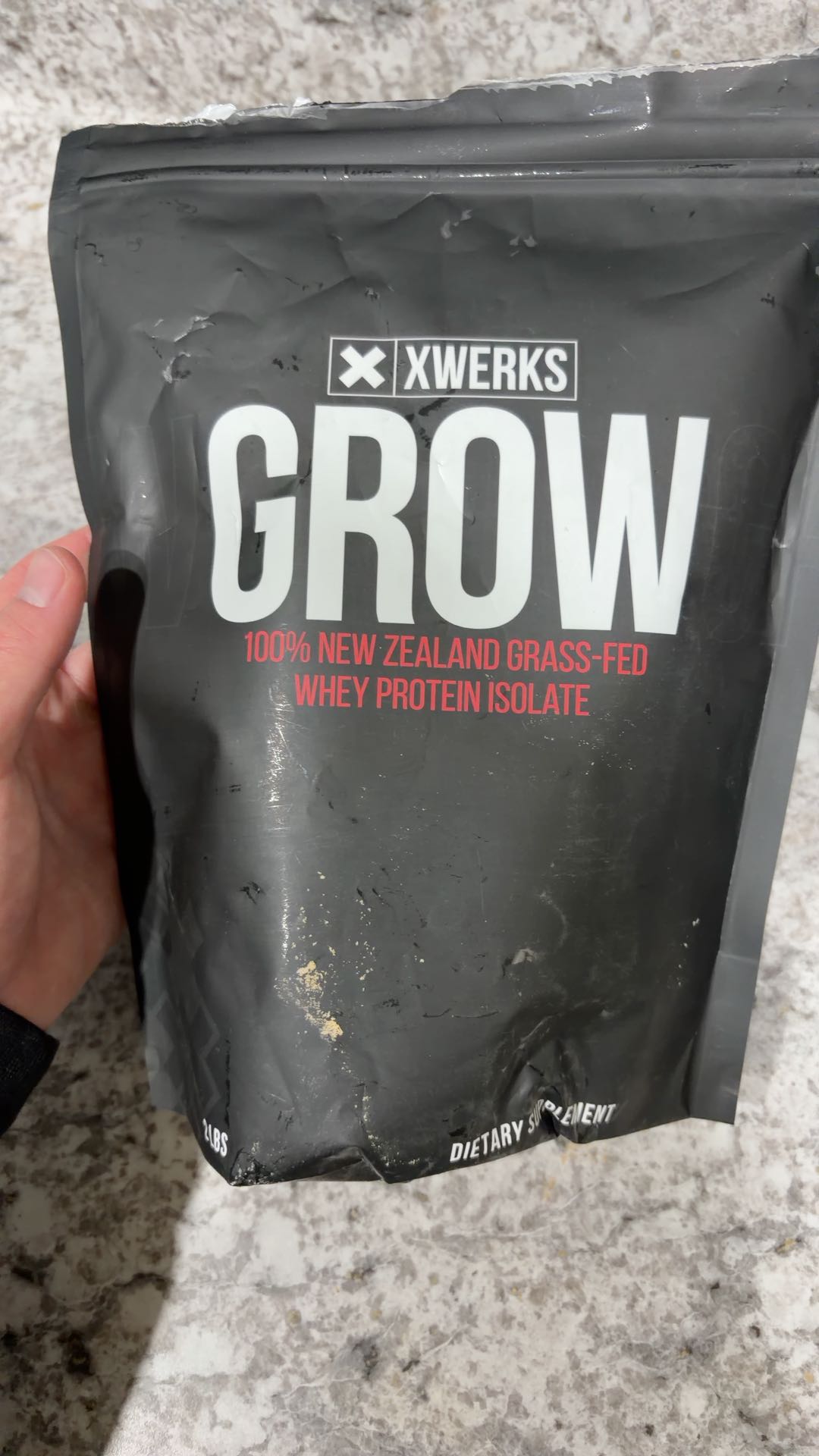
This protein powder features high-quality protein sources like whey and beef protein isolates, which are beneficial for muscle growth and repair. It uses natural non-caloric sweeteners and includes probiotics and digestive enzymes, enhancing its nutritional profile. However, the presence of natural flavors and sunflower lecithin, while common in such products, slightly detracts from its overall clean label appeal.
Key ingredients 15
Whey Protein IsolateVery Good
Whey protein isolate is a high-quality protein source with a complete amino acid profile, beneficial for muscle growth and repair. It is highly processed to remove fats and lactose, making it suitable for those with lactose intolerance. Compared to other protein sources, it offers superior bioavailability and absorption.
Benefits
Rich in essential amino acids, it supports muscle recovery and growth.
Beef Protein IsolateGood
Beef protein isolate is a concentrated source of protein derived from beef, providing a robust amino acid profile. It is processed to remove fats and carbohydrates, offering a lean protein option. This protein is an alternative for those avoiding dairy-based proteins.
Benefits
Provides a complete amino acid profile, supporting muscle maintenance and growth.
Monk Fruit ExtractGood
Beneficial ingredient — whole-food or functional value in this product class.
Benefits
Provides natural sweetness without calories.
Sea SaltGood
Beneficial ingredient — whole-food or functional value in this product class.
Risks
Excessive consumption may lead to high blood pressure.
Benefits
Contains trace minerals that can be beneficial in small amounts.
L. AcidophilusGood
L. Acidophilus is a probiotic that supports gut health by promoting a healthy balance of gut bacteria. It is beneficial for digestive health and may enhance immune function. Regular consumption can improve lactose digestion and reduce symptoms of irritable bowel syndrome.
Benefits
Supports digestive health and enhances immune function.
AlluloseNeutral
Allulose is a low-calorie sweetener that mimics the taste of sugar without the calories. It is not fully absorbed by the body, which reduces its caloric impact. It is generally recognized as safe but may cause digestive discomfort in some individuals.
Risks
May cause digestive discomfort if consumed in large amounts.
Benefits
Provides sweetness with minimal caloric impact.
Reb-MNeutral
Reb-M is a steviol glycoside derived from stevia, used as a natural sweetener. It is calorie-free and does not affect blood sugar levels. It is a highly purified form of stevia, offering a cleaner taste compared to other steviol glycosides.
Benefits
Offers a natural, calorie-free sweetness.
Potassium ChlorideNeutral
Potassium chloride is used as a salt substitute to reduce sodium content while providing potassium. It is beneficial for maintaining electrolyte balance. However, excessive intake can lead to hyperkalemia, especially in individuals with kidney issues.
Risks
Excessive intake may cause hyperkalemia.
Benefits
Helps maintain electrolyte balance and supports heart health.
AmylaseNeutral
Amylase is an enzyme that aids in the digestion of carbohydrates by breaking down starches into sugars. It is naturally present in saliva and the pancreas. Supplementation can support digestive efficiency, especially in individuals with enzyme deficiencies.
Benefits
Aids in carbohydrate digestion and improves nutrient absorption.
LactaseNeutral
Lactase is an enzyme that helps digest lactose, the sugar found in milk. It is beneficial for individuals with lactose intolerance, allowing them to consume dairy products without discomfort. Supplementation can improve lactose digestion and reduce symptoms of intolerance.
Benefits
Improves lactose digestion for those with lactose intolerance.
LipaseNeutral
Lipase is an enzyme that aids in the digestion of fats by breaking down triglycerides into fatty acids. It is naturally produced in the pancreas and is essential for fat absorption. Supplementation can support individuals with pancreatic insufficiency.
Benefits
Enhances fat digestion and absorption.
Protease INeutral
Protease I is an enzyme that breaks down proteins into peptides and amino acids, aiding in protein digestion. It is naturally produced in the stomach and pancreas. Supplementation can improve protein digestion and nutrient absorption.
Benefits
Supports protein digestion and enhances nutrient absorption.
Protease IINeutral
Protease II is another form of protease enzyme that assists in the breakdown of proteins. It complements other digestive enzymes to ensure efficient protein digestion. It is beneficial for individuals with digestive enzyme deficiencies.
Benefits
Aids in protein digestion and supports overall digestive health.
Natural FlavorsBad
Natural flavors are often used to enhance taste but can be a catch-all term for various additives. The lack of transparency in their composition can be concerning for consumers seeking clean labels. They may contain solvents or preservatives that are not disclosed.
Risks
Potential for undisclosed additives or allergens.
Sunflower LecithinBad
Sunflower lecithin is used as an emulsifier to improve texture and mixability. While it is a more natural alternative to soy lecithin, it is still a processed additive. It does not provide significant nutritional benefits.
Benefits
Improves texture and mixability of the product.
Processing
Processed Culinary Ingredients
Get the full breakdown in the Scout appTake Scout shopping
Scan any product to see lab results, healthy alternatives, and your personalized analysis.
Download on theApp Store GET IT ONGoogle Play