


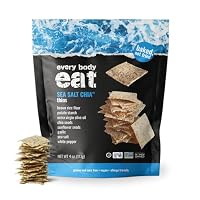

Every Body Eat CHOCOLATE CHIP cookie bites
Analysis updated August 2026 · How Scout scores
At a glance
Summary
This product contains a mix of beneficial ingredients like whole oat flour, flax seed, and maple sugar, which contribute to its nutritional value. However, the presence of refined cane sugar and palm oil, along with its processed nature, detracts from its healthiness. While it avoids artificial additives and excessive processing, the use of refined sugars and palm oil limits its overall score.
Key ingredients 18
Flax seedVery Good
Flax seed is a nutrient-dense seed rich in omega-3 fatty acids, fiber, and lignans. It supports heart health and aids in digestion. It is a valuable addition to a balanced diet due to its high nutrient content.
Benefits
Rich in omega-3 fatty acids and fiber, supporting heart health and digestion.
Whole oat flourGood
Whole oat flour is a nutritious whole grain flour rich in fiber and essential nutrients. It supports heart health and provides a slow release of energy. The use of whole grains is beneficial for maintaining digestive health.
Benefits
Rich in dietary fiber, which supports heart health and aids in digestion.
Cocoa butterGood
Natural traditional fat pressed from cacao.
Risks
High in saturated fats, which may impact heart health if consumed in excess.
Benefits
Contains antioxidants and provides a creamy texture to chocolate.
Vanilla powderGood
Vanilla powder is made from dried and ground vanilla beans, offering a natural flavoring option. It is free from artificial additives and provides a rich vanilla flavor. It is a healthier alternative to artificial vanilla flavorings.
Benefits
Provides natural vanilla flavor without artificial additives.
Maple sugarGood
Maple sugar is a natural sweetener made from evaporated maple syrup. It contains trace minerals and antioxidants, offering a more nutritious alternative to refined sugar. It provides a unique flavor profile to baked goods.
Risks
High in sugar, which can contribute to calorie intake if consumed in excess.
Benefits
Contains trace minerals and antioxidants, offering a more nutritious alternative to refined sugar.
Dried ground vanilla beansGood
Dried ground vanilla beans provide a natural and aromatic vanilla flavor. They are free from artificial additives and offer a rich taste. This ingredient is a healthier alternative to artificial vanilla flavorings.
Benefits
Provides natural vanilla flavor and aroma without artificial additives.
Sea saltGood
Sea salt is a minimally processed salt that contains trace minerals. It enhances flavor and provides essential sodium for bodily functions. It is a better alternative to refined table salt due to its mineral content.
Risks
Excessive sodium intake can lead to high blood pressure and other cardiovascular issues.
Benefits
Contains trace minerals and enhances flavor in foods.
Carrot fiberGood
Carrot fiber is a natural source of dietary fiber derived from carrots. It aids in digestion and adds bulk to foods. It is a beneficial ingredient for maintaining digestive health.
Benefits
Provides dietary fiber that supports digestive health.
Gluten free flour blendNeutral
A blend of gluten-free flours used as a base for baking. The specific types of flours and their nutritional profiles can vary. Generally, gluten-free flour blends are suitable for those with gluten intolerance but may lack the fiber and nutrients found in whole grain flours.
Risks
May lack essential nutrients and fiber compared to whole grain flours.
Benefits
Suitable for individuals with gluten intolerance or celiac disease.
Cassava flourNeutral
Cassava flour is a gluten-free flour made from the root of the cassava plant. It is a good alternative for those avoiding gluten but is primarily a source of carbohydrates. It lacks significant protein and fiber compared to other flours.
Risks
May contribute to high carbohydrate intake without providing much fiber or protein.
Benefits
Provides a gluten-free alternative for baking and cooking.
Potato starchNeutral
Potato starch is used as a thickener and binding agent in gluten-free baking. It is highly refined and primarily a source of carbohydrates. It lacks significant nutritional benefits beyond its functional use in recipes.
Risks
High in carbohydrates and lacks fiber and protein.
Benefits
Useful as a thickening agent in gluten-free recipes.
Chocolate chipsNeutral
Chocolate chips are a common ingredient in cookies, providing flavor and texture. They are typically high in sugar and fat, which can contribute to calorie intake. The quality of chocolate can vary, affecting its nutritional profile.
Risks
High in sugar and fat, which can contribute to weight gain if consumed in excess.
Benefits
Adds flavor and texture to baked goods.
Chocolate liquorNeutral
Chocolate liquor is made from ground cocoa beans and contains both cocoa solids and cocoa butter. It is a key ingredient in chocolate products. While it provides flavor, it is also high in fat and calories.
Risks
High in fat and calories, which can contribute to weight gain if consumed in excess.
Benefits
Provides rich chocolate flavor and contains antioxidants.
Rice syrupNeutral
Rice syrup is a sweetener made from fermented rice, often used as a substitute for refined sugars. It has a high glycemic index and provides carbohydrates. It lacks significant nutritional benefits beyond its use as a sweetener.
Risks
High glycemic index can lead to spikes in blood sugar levels.
Benefits
Provides a sweetening option for those avoiding refined sugars.
Grape juice concentrateNeutral
Grape juice concentrate is used as a natural sweetener and flavor enhancer. It contains natural sugars and some antioxidants. However, it is high in sugar and should be consumed in moderation.
Risks
High in sugar, which can contribute to calorie intake if consumed in excess.
Benefits
Contains natural sugars and some antioxidants.
MolassesNeutral
Standard formulation ingredient — neither beneficial nor harmful at typical use.
Risks
High in sugar, which can contribute to calorie intake if consumed in excess.
Benefits
Contains minerals such as iron, calcium, and magnesium, offering nutritional benefits.
Responsibly sourced palm oilBad
Palm oil is a common cooking oil that is high in saturated fats. While responsibly sourced palm oil is better for the environment, it still poses health concerns due to its saturated fat content. It is less healthy compared to oils high in unsaturated fats.
Risks
High in saturated fats, which may contribute to heart disease if consumed in excess.
Benefits
Provides a stable cooking oil with a long shelf life.
Cane sugarBad
Cane sugar is a refined sugar that provides sweetness but lacks nutritional value. Excessive consumption can lead to health issues such as obesity and diabetes. It is a common ingredient in processed foods.
Risks
Excessive intake can lead to obesity, diabetes, and other metabolic disorders.
Benefits
Provides sweetness and enhances flavor in foods.
Processing
Processed Foods
Get the full breakdown in the Scout appTake Scout shopping
Scan any product to see lab results, healthy alternatives, and your personalized analysis.
Download on theApp Store GET IT ONGoogle PlayAmazon pricing & content
Amazon price as of . Product prices and availability are accurate as of the date/time indicated and are subject to change. Any price and availability information displayed on Amazon.com at the time of purchase will apply to the purchase of this product.
CERTAIN CONTENT THAT APPEARS ON THIS SITE COMES FROM AMAZON. THIS CONTENT IS PROVIDED “AS IS” AND IS SUBJECT TO CHANGE OR REMOVAL AT ANY TIME.