




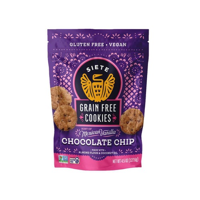


Siete Grain Free Mexican Wedding Cookies 16 Ounce
SieteAnalysis updated September 2026 · How Scout scores
At a glance
Summary
This product features a blend of minimally processed flours like almond and chickpea, along with healthy fats from coconut and avocado oils, which are positive aspects. However, it contains powdered sugar, contributing to a high sugar content, and is a processed food, which limits its score. The clean ingredient list and absence of artificial additives are commendable, but the processing level and sugar content prevent a higher rating.
Key ingredients 17
Avocado oilVery Good
Avocado oil is rich in monounsaturated fats and vitamin E, supporting heart health. It is cold-pressed, preserving its beneficial compounds and nutrients. It is suitable for high-heat cooking due to its high smoke point.
Benefits
Rich in monounsaturated fats that support heart health and provide anti-inflammatory properties.
Almond flourGood
Almond flour is a nutrient-dense alternative to wheat flour, rich in healthy fats and protein. It is minimally processed and retains the natural nutrients of almonds. It is a good source of vitamin E and magnesium.
Risks
May cause allergic reactions in individuals with nut allergies.
Benefits
Provides healthy fats and protein, supporting heart health and stable blood sugar levels.
Chickpea flourGood
Chickpea flour is a high-protein, gluten-free flour made from ground chickpeas. It is minimally processed and retains the nutrients of chickpeas, including fiber and protein. It is a versatile ingredient in gluten-free and vegan cooking.
Risks
May cause allergic reactions in individuals sensitive to legumes.
Benefits
Rich in protein and fiber, supporting digestive health and providing a plant-based protein source.
Coconut oilGood
Coconut oil is a source of medium-chain triglycerides (MCTs), which are easily metabolized for energy. It is minimally processed and retains beneficial compounds like lauric acid. It is a stable fat suitable for cooking at high temperatures.
Risks
High in saturated fats, which should be consumed in moderation.
Benefits
Supports energy metabolism and provides a stable cooking fat with potential antimicrobial properties.
Pecan piecesGood
Pecan pieces are a source of healthy fats, fiber, and antioxidants. They are minimally processed and retain the natural nutrients of pecans. They provide a rich source of monounsaturated fats and vitamin E.
Risks
May cause allergic reactions in individuals with nut allergies.
Benefits
Support heart health and provide antioxidants that may reduce inflammation.
Apple cider vinegarGood
Apple cider vinegar is known for its potential health benefits, including aiding digestion and supporting blood sugar control. It is minimally processed and retains beneficial acetic acid. It is often used as a natural preservative and flavor enhancer.
Risks
Excessive consumption may lead to digestive discomfort or tooth enamel erosion.
Benefits
May aid digestion and support blood sugar regulation.
Sea saltGood
Sea salt is a natural source of sodium and trace minerals, minimally processed compared to refined table salt. It enhances flavor and provides essential electrolytes. It is often preferred for its mineral content and natural origin.
Risks
Excessive sodium intake can lead to high blood pressure and cardiovascular issues.
Benefits
Provides essential electrolytes and enhances flavor with trace minerals.
CinnamonGood
Cinnamon is a spice known for its antioxidant properties and potential to support blood sugar control. It is minimally processed and retains its natural compounds. It adds flavor and potential health benefits to foods.
Risks
Excessive consumption may lead to liver toxicity due to coumarin content in some cinnamon varieties.
Benefits
Provides antioxidants and may support blood sugar regulation.
Orange peel powderGood
Orange peel powder is rich in vitamin C and antioxidants, offering potential health benefits. It is minimally processed and retains the natural compounds of orange peel. It adds flavor and nutritional value to foods.
Benefits
Rich in vitamin C and antioxidants, supporting immune health and reducing oxidative stress.
Vanilla extractGood
Beneficial ingredient — whole-food or functional value in this product class.
Benefits
Adds natural flavor to foods without significant nutritional impact.
Tapioca flourNeutral
Tapioca flour is a gluten-free starch extracted from cassava root. It is highly processed to remove fibers and proteins, resulting in a pure carbohydrate source. It is often used as a thickener or binder in gluten-free baking.
Benefits
Provides a gluten-free alternative for baking and cooking.
Arrowroot flourNeutral
Arrowroot flour is a gluten-free starch derived from tropical plant roots. It is minimally processed and used as a thickening agent in recipes. It is easily digestible and suitable for those with dietary restrictions.
Benefits
Offers a gluten-free option for thickening and baking.
Cassava flourNeutral
Cassava flour is made from the whole root of the cassava plant, providing a gluten-free alternative to wheat flour. It is less processed than tapioca flour and retains more nutrients. It is high in carbohydrates and low in protein.
Risks
May cause digestive issues if consumed in large quantities due to its high starch content.
Benefits
Provides a gluten-free flour option with a mild flavor suitable for various recipes.
Coconut sugarNeutral
Coconut sugar is a natural sweetener derived from the sap of coconut palm flowers. It is less processed than refined sugar and retains some nutrients like iron and zinc. It has a lower glycemic index compared to regular sugar.
Risks
Still a form of sugar and should be consumed in moderation to avoid blood sugar spikes.
Benefits
Provides a natural sweetener option with a lower glycemic index than refined sugar.
Baking sodaNeutral
Baking soda is a leavening agent used to help baked goods rise. It is a simple chemical compound with no significant nutritional value. It is widely used in baking for its effectiveness in creating light textures.
See more about Baking soda →Jasmine tea extractNeutral
Jasmine tea extract is used for its aromatic properties and potential antioxidant benefits. It is derived from jasmine-infused tea leaves and used in small amounts. It adds a subtle flavor and potential health benefits.
Benefits
May provide antioxidants and a pleasant aroma to foods.
Powdered sugarBad
Powdered sugar is a refined sugar mixed with a small amount of anti-caking agent like tapioca flour. It is highly processed and contributes to high sugar content in foods. It offers no nutritional benefits beyond calories.
Risks
Excessive consumption can lead to weight gain and increased risk of metabolic disorders.
Processing
Processed Foods
Get the full breakdown in the Scout appTake Scout shopping
Scan any product to see lab results, healthy alternatives, and your personalized analysis.
Download on theApp Store GET IT ONGoogle PlayAmazon pricing & content
Amazon price as of . Product prices and availability are accurate as of the date/time indicated and are subject to change. Any price and availability information displayed on Amazon.com at the time of purchase will apply to the purchase of this product.
CERTAIN CONTENT THAT APPEARS ON THIS SITE COMES FROM AMAZON. THIS CONTENT IS PROVIDED “AS IS” AND IS SUBJECT TO CHANGE OR REMOVAL AT ANY TIME.