
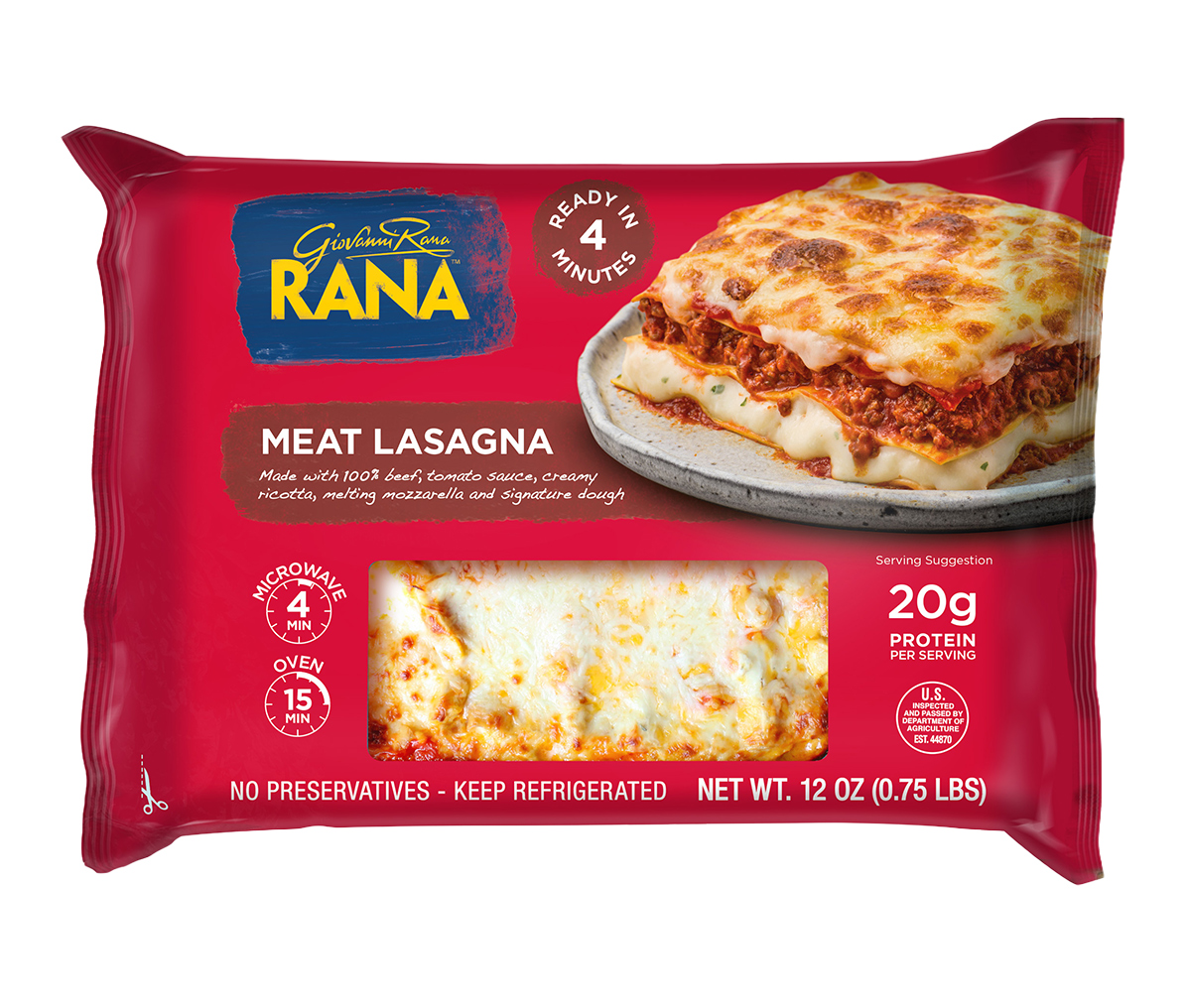


Rana Lasagna
Analysis updated August 2026 · How Scout scores
At a glance
Summary
This lasagna contains beneficial ingredients like beef, tomato puree, and garlic, which provide essential nutrients and antioxidants. However, it is classified as ultra-processed due to the presence of modified food starch and natural flavors, which are highly processed and lack transparency. The processing level and presence of these additives limit the healthiness of the product despite its nutritious components.
Key ingredients 7
BeefGood
Beef is a rich source of high-quality protein and essential nutrients like iron and B vitamins. It provides a complete amino acid profile beneficial for muscle growth and repair. Grass-fed beef is preferred for higher omega-3 content.
Risks
Excessive consumption of red meat may be linked to increased risk of certain diseases.
Benefits
Provides essential nutrients and high-quality protein necessary for various bodily functions.
Tomato PureeGood
Tomato puree is rich in lycopene, an antioxidant that may reduce the risk of chronic diseases. It is minimally processed, retaining most of the nutrients found in fresh tomatoes. Cooking tomatoes increases the bioavailability of lycopene.
Benefits
Rich in antioxidants and vitamins that support overall health.
OnionsGood
Onions are a good source of vitamins, minerals, and antioxidants. They contain quercetin, which has anti-inflammatory properties. Onions may support heart health and immune function.
Benefits
May support heart health and provide anti-inflammatory benefits.
CarrotsGood
Carrots are rich in beta-carotene, which the body converts to vitamin A. They support eye health and have antioxidant properties. Carrots are a low-calorie, nutrient-dense food.
Benefits
Supports eye health and provides essential vitamins and antioxidants.
GarlicGood
Garlic is known for its potential cardiovascular benefits and immune-boosting properties. It contains allicin, which has antimicrobial and antioxidant effects. Regular consumption may support heart health.
Benefits
May support cardiovascular health and boost the immune system.
Natural FlavorsBad
Natural flavors are often used to enhance taste but lack transparency in their composition. They can contain a variety of compounds, some of which may not be beneficial. The lack of disclosure can be concerning for those with allergies or sensitivities.
Risks
Potential allergens and undisclosed ingredients may pose risks to sensitive individuals.
Modified Food StarchBad
Modified food starch is used as a thickening agent and is highly processed. It may contain additives or be derived from genetically modified sources. It provides no nutritional value and may affect blood sugar levels.
Risks
May cause digestive issues in sensitive individuals and affect blood sugar levels.
Processing
Ultra-Processed Foods
Get the full breakdown in the Scout appTake Scout shopping
Scan any product to see lab results, healthy alternatives, and your personalized analysis.
Download on theApp Store GET IT ONGoogle PlayAmazon pricing & content
Amazon price as of . Product prices and availability are accurate as of the date/time indicated and are subject to change. Any price and availability information displayed on Amazon.com at the time of purchase will apply to the purchase of this product.
CERTAIN CONTENT THAT APPEARS ON THIS SITE COMES FROM AMAZON. THIS CONTENT IS PROVIDED “AS IS” AND IS SUBJECT TO CHANGE OR REMOVAL AT ANY TIME.