



At a glance
Summary
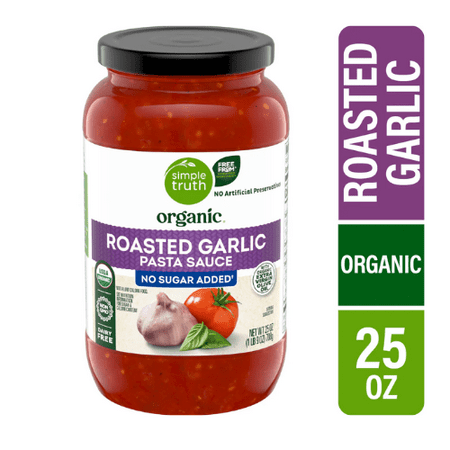
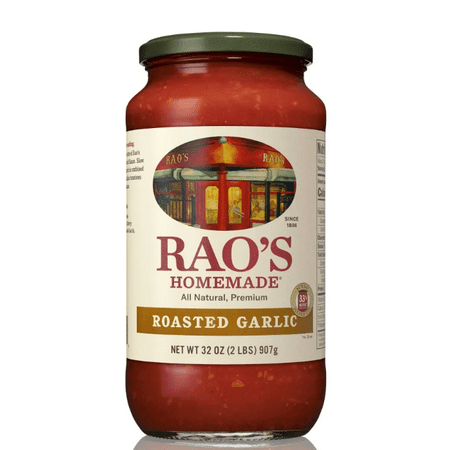
This pasta sauce features a clean ingredient list with beneficial components like tomato puree, tomato paste, diced tomatoes, onions, olive oil, and roasted garlic, all of which contribute to its nutritional value. The use of olive oil as a healthy fat and the absence of harmful additives or seed oils enhance its health profile. Despite being processed, the sauce maintains a high score due to its minimal additives and reliance on whole food ingredients.
Key ingredients 9
Tomato PureeVery Good
Tomato puree is a concentrated source of tomatoes, providing a rich supply of vitamins and antioxidants. It is minimally processed, retaining most of the nutritional benefits of fresh tomatoes. The high lycopene content is associated with reduced risk of certain chronic diseases.
Benefits
Rich in vitamins A and C, and lycopene, which may support heart health and reduce cancer risk.
Tomato PasteVery Good
Tomato paste is a concentrated form of tomatoes, offering a dense source of nutrients and flavor. It is rich in lycopene, an antioxidant linked to various health benefits. The paste is made by cooking tomatoes for several hours, reducing water content and enhancing nutrient density.
Benefits
Provides a concentrated source of lycopene and other antioxidants, supporting heart health and reducing inflammation.
Diced TomatoesVery Good
Diced tomatoes are minimally processed, retaining the natural nutrients and fiber of fresh tomatoes. They provide a good source of vitamins and antioxidants. The inclusion of diced tomatoes adds texture and nutritional value to the sauce.
Benefits
Rich in vitamins C and K, and fiber, supporting immune function and digestive health.
OnionsVery Good
Onions are a natural source of vitamins, minerals, and antioxidants. They add flavor and nutritional value to the sauce. Onions contain quercetin, a flavonoid with anti-inflammatory and antioxidant properties.
Benefits
Rich in antioxidants and compounds that may support heart health and reduce inflammation.
Olive OilVery Good
Olive oil is a healthy fat known for its monounsaturated fatty acids and antioxidants. It supports heart health and has anti-inflammatory properties. Cold-pressed extraction preserves its beneficial compounds.
Benefits
Rich in monounsaturated fats and antioxidants, supporting heart health and reducing inflammation.
Roasted GarlicVery Good
Roasted garlic provides a rich flavor and is a source of vitamins and minerals. The roasting process enhances its flavor while retaining its nutritional benefits. Garlic is known for its potential cardiovascular benefits and immune-boosting properties.
Benefits
Contains allicin, which may support heart health and boost the immune system.
WaterNeutral
Water is used as a solvent and to adjust the consistency of the sauce. It is a neutral ingredient with no direct nutritional impact. Its presence ensures the sauce has the desired texture and fluidity.
See more about Water →Calcium ChlorideNeutral
Calcium chloride is used as a firming agent in canned tomatoes to maintain texture. It is generally recognized as safe when used in small amounts. It does not significantly alter the nutritional profile of the product.
Risks
Excessive consumption may lead to hypercalcemia, but this is unlikely at typical usage levels.
Citric AcidNeutral
Citric acid is a natural preservative and flavor enhancer found in citrus fruits. It is used to maintain acidity and prevent spoilage in food products. It is generally recognized as safe and does not significantly impact nutrition.
Risks
May cause tooth enamel erosion if consumed in large quantities, but this is unlikely in typical food use.
Processing
Processed Foods
Get the full breakdown in the Scout appTake Scout shopping
Scan any product to see lab results, healthy alternatives, and your personalized analysis.
Download on theApp Store GET IT ONGoogle Play