


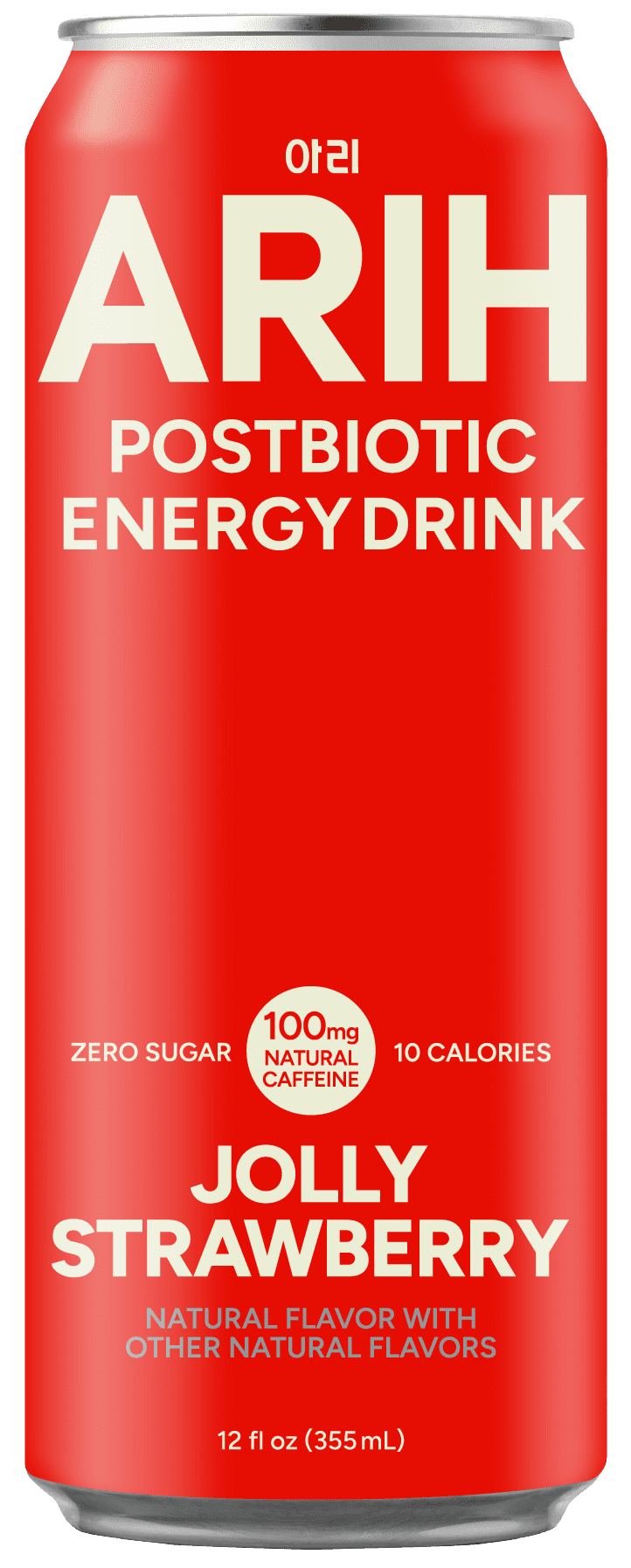

Gorgie Energy Jordyn Jones Cherry Lime
Analysis updated August 2026 · How Scout scores
At a glance
Summary
This energy drink features a clean formulation with beneficial ingredients like green tea caffeine, L-theanine, and various B vitamins, which contribute to its functional benefits. The use of natural flavors is a minor concern due to the lack of transparency, but the absence of added sugars and artificial sweeteners is a positive aspect. The processing level limits the score, but the overall ingredient quality is commendable for this category.
Key ingredients 13
Green Tea CaffeineGood
Green tea caffeine provides a natural source of caffeine, which can enhance alertness and cognitive function. It is derived from tea leaves and contains antioxidants. Compared to synthetic caffeine, it is considered a cleaner source.
Risks
Excessive caffeine consumption can lead to jitteriness, insomnia, and increased heart rate.
Benefits
Contains antioxidants and provides a natural energy boost.
L-TheanineGood
L-Theanine is an amino acid found in tea leaves, known for promoting relaxation without drowsiness. It can enhance cognitive performance and reduce stress. It is often used in combination with caffeine to improve focus.
Benefits
Promotes relaxation and enhances cognitive performance.
Niacinamide (Vitamin B3)Good
Niacinamide is a form of Vitamin B3 that supports energy metabolism and skin health. It is water-soluble and essential for converting nutrients into energy. It also plays a role in DNA repair and cell signaling.
Risks
Excessive intake can lead to skin flushing and liver toxicity.
Benefits
Supports energy metabolism and skin health.
Ginger Root ExtractGood
Ginger root extract is known for its anti-inflammatory and antioxidant properties. It can aid digestion and reduce nausea. It is a natural ingredient with a long history of medicinal use.
Risks
Excessive consumption may lead to gastrointestinal discomfort.
Benefits
Provides anti-inflammatory and antioxidant benefits.
Pyridoxine Hydrochloride (Vitamin B6)Good
Pyridoxine hydrochloride is a form of Vitamin B6, essential for protein metabolism and cognitive development. It supports neurotransmitter synthesis and immune function. It is water-soluble and must be obtained from the diet.
Risks
Excessive intake can lead to nerve damage and sensory neuropathy.
Benefits
Supports protein metabolism and cognitive development.
BiotinGood
Biotin is a B-vitamin that supports healthy hair, skin, and nails. It plays a crucial role in energy metabolism and the synthesis of fatty acids. It is water-soluble and generally considered safe.
Benefits
Supports healthy hair, skin, and nails.
Cyanocobalamin (Vitamin B12)Good
Cyanocobalamin is a synthetic form of Vitamin B12, essential for red blood cell formation and neurological function. It is crucial for DNA synthesis and energy production. It is especially important for vegetarians and vegans who may lack B12 in their diet.
Benefits
Supports red blood cell formation and neurological function.
Filtered Carbonated WaterNeutral
Filtered carbonated water is a neutral ingredient that serves as the base for the beverage. It provides hydration without any calories or nutrients. There are no significant health impacts associated with its consumption.
See more about Filtered Carbonated Water →Citric AcidNeutral
Citric acid is used as a preservative and to add a sour taste to foods and beverages. It is naturally found in citrus fruits and is generally recognized as safe. However, excessive consumption may lead to dental erosion.
Risks
Excessive consumption may lead to dental erosion due to its acidic nature.
Vegetable Juice For ColorNeutral
Vegetable juice for color is used as a natural coloring agent in foods and beverages. It is a better alternative to artificial dyes. However, it does not contribute significant nutritional value.
Benefits
Provides a natural alternative to artificial colorings.
Potassium CitrateNeutral
Potassium citrate is used to regulate acidity and as a potassium supplement. It is generally recognized as safe and can help maintain electrolyte balance. However, excessive intake may lead to hyperkalemia.
Risks
Excessive intake may lead to hyperkalemia, a condition characterized by high potassium levels in the blood.
Benefits
Helps maintain electrolyte balance and supports normal muscle function.
Steviol Glycosides (Reb M)Neutral
Steviol glycosides are natural sweeteners derived from the stevia plant. They provide sweetness without calories and are considered safe for consumption. They do not affect blood sugar levels, making them suitable for diabetics.
Benefits
Provides sweetness without calories and does not affect blood sugar levels.
Natural Cherry Flavor And Other Natural FlavorsBad
Natural flavors are often used to enhance taste but lack transparency in their composition. They can contain a variety of chemicals and additives. The lack of disclosure can be concerning for consumers seeking clean labels.
Risks
Potential for undisclosed additives and chemicals that may cause allergic reactions or other health concerns.
Processing
Processed Foods
Get the full breakdown in the Scout appTake Scout shopping
Scan any product to see lab results, healthy alternatives, and your personalized analysis.
Download on theApp Store GET IT ONGoogle PlayAmazon pricing & content
Amazon price as of . Product prices and availability are accurate as of the date/time indicated and are subject to change. Any price and availability information displayed on Amazon.com at the time of purchase will apply to the purchase of this product.
CERTAIN CONTENT THAT APPEARS ON THIS SITE COMES FROM AMAZON. THIS CONTENT IS PROVIDED “AS IS” AND IS SUBJECT TO CHANGE OR REMOVAL AT ANY TIME.