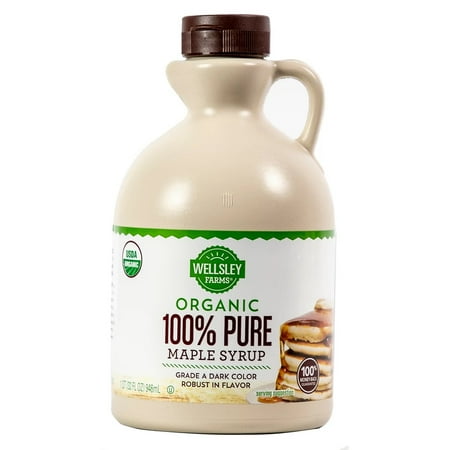
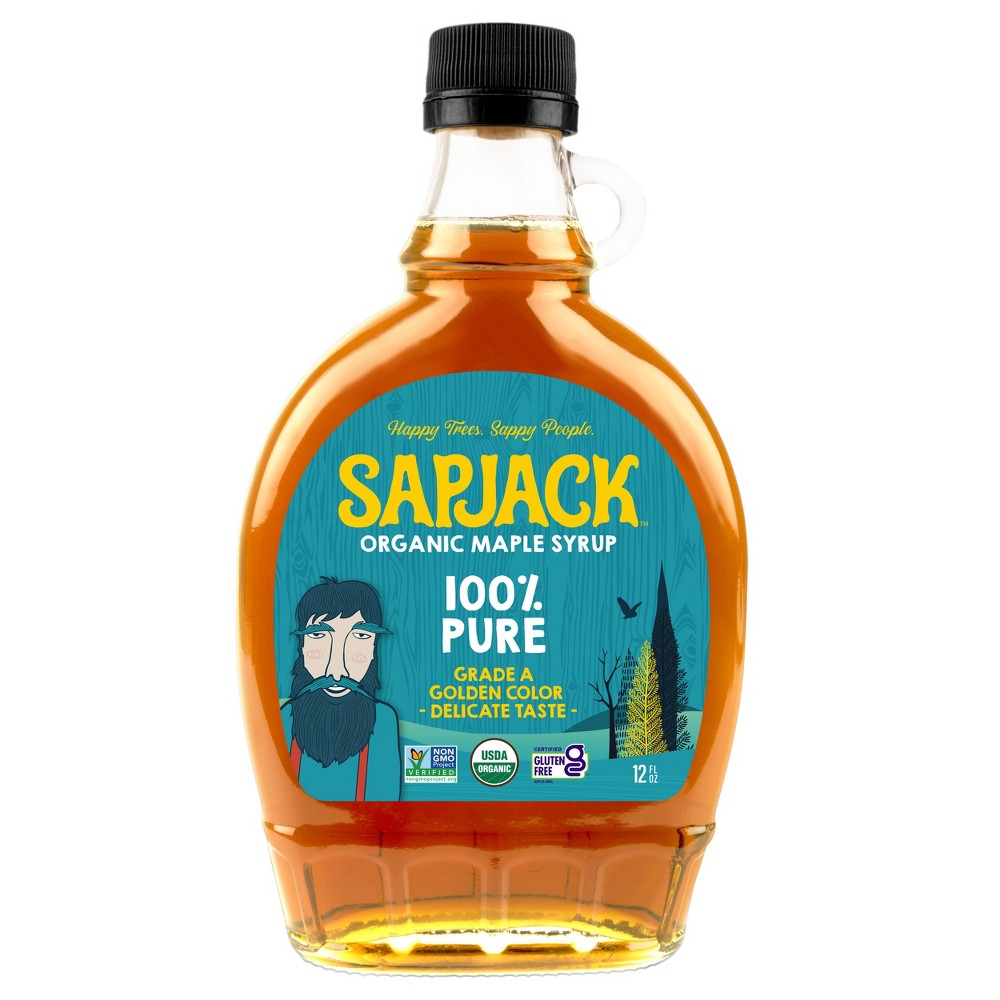
Monk Fruit Sweetened Maple Syrup

At a glance
Summary
This syrup is ultra-processed, which limits its potential health score. While it contains beneficial ingredients like monk fruit extract and tapioca fiber, which provide sweetness and fiber without added sugars, the presence of natural flavors and the overall processing level reduce its healthiness. The product's clean label and use of natural sweeteners are positive aspects, but they do not fully offset the impact of its processing level.
Key ingredients 10
Tapioca FiberGood
Tapioca fiber is a prebiotic fiber that supports digestive health. It is derived from the cassava root and is minimally processed. It can aid in maintaining healthy gut flora.
Risks
Excessive consumption may cause digestive discomfort in sensitive individuals.
Benefits
Supports digestive health by promoting beneficial gut bacteria. Provides dietary fiber which can aid in digestion and satiety.
Maple SyrupGood
Beneficial ingredient — whole-food or functional value in this product class.
Risks
High sugar content can contribute to increased blood sugar levels if consumed in excess.
Benefits
Contains small amounts of minerals and antioxidants compared to refined sugars.
Monk Fruit ExtractGood
Monk fruit extract is a natural sweetener with zero calories. It is derived from the monk fruit and is minimally processed. It provides sweetness without affecting blood sugar levels.
Benefits
Provides sweetness without calories or glycemic impact, making it suitable for low-sugar diets.
Sea SaltGood
Sea salt is a minimally processed salt that contains trace minerals. It is harvested from evaporated seawater and is less refined than table salt. It can enhance flavor and provide essential minerals.
Risks
Excessive sodium intake can lead to high blood pressure.
Benefits
Contains trace minerals that can support overall health compared to refined salt.
Purified WaterNeutral
Purified water is a neutral ingredient used as a base or solvent in many food products. It undergoes filtration to remove impurities, ensuring safety and quality. It does not contribute any nutritional value or health risks.
See more about Purified Water →Vegetable GlycerinNeutral
Vegetable glycerin is a sugar alcohol used as a sweetener and humectant. It is derived from plant oils and is generally recognized as safe. It provides sweetness without significantly impacting blood sugar levels.
Risks
May cause digestive upset in large amounts.
Benefits
Provides sweetness with a lower glycemic impact compared to sugar.
Cellulose GumNeutral
Cellulose gum is a thickening agent derived from plant fibers. It is used to improve texture and stability in food products. It is generally recognized as safe and has no nutritional value.
Risks
Excessive consumption may cause digestive discomfort.
Fruit and Vegetable JuiceNeutral
Fruit and vegetable juice is used for natural coloring in food products. It is derived from natural sources and is minimally processed. It does not significantly impact the nutritional profile of the product.
Benefits
Provides natural coloring without artificial additives.
Citric AcidNeutral
Citric acid is a natural preservative and flavor enhancer. It is commonly used to add acidity and preserve freshness in food products. It is generally recognized as safe and is naturally found in citrus fruits.
Risks
May cause irritation in sensitive individuals if consumed in large amounts.
Benefits
Helps preserve freshness and enhance flavor without significant health risks.
Natural FlavorsBad
Natural flavors are additives used to enhance taste, but their exact composition is often undisclosed. They can be derived from natural sources but are processed. The lack of transparency can be concerning for consumers with allergies or sensitivities.
Risks
Potential allergen risk due to undisclosed ingredients.
Processing
Ultra-Processed Foods
Get the full breakdown in the Scout appTake Scout shopping
Scan any product to see lab results, healthy alternatives, and your personalized analysis.
Are you Lakanto? Fix an error Get the badge Get tested