


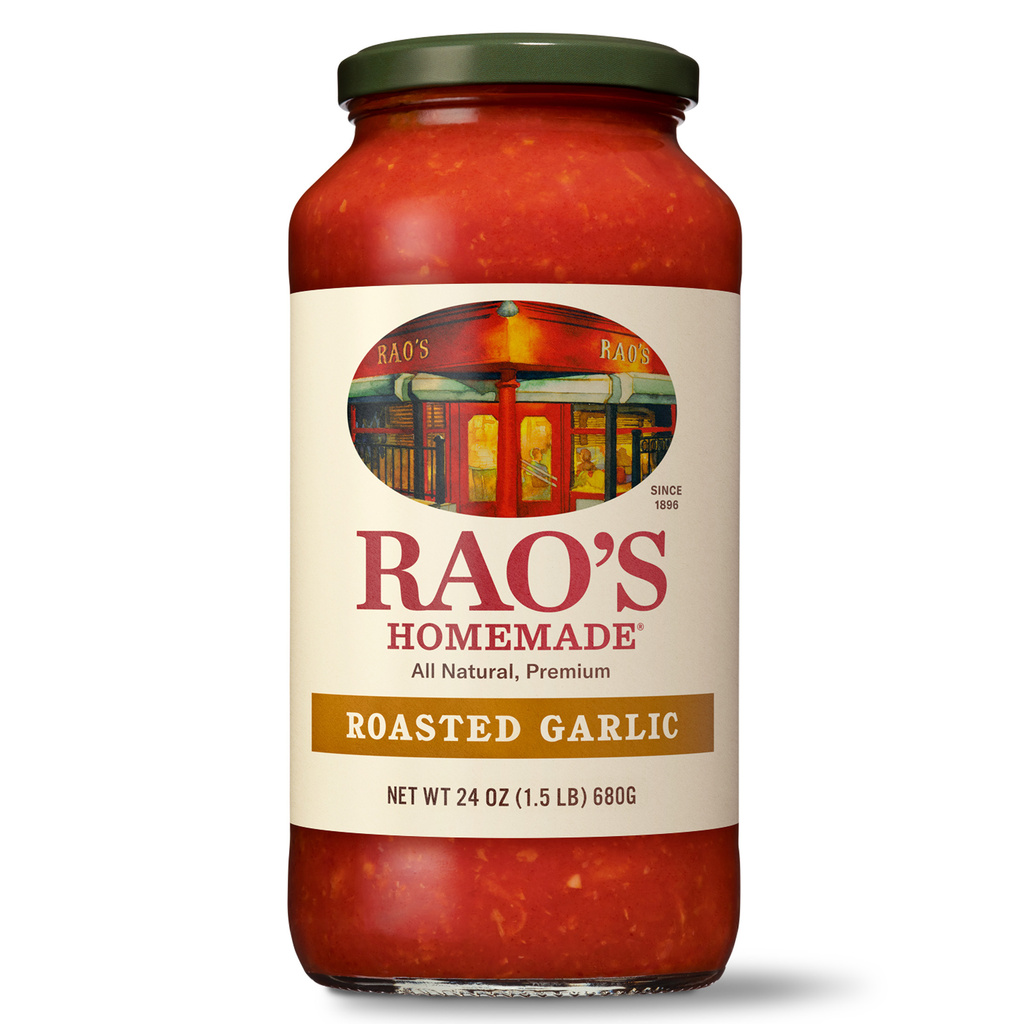

Bachan's Japanese Barbecue Roasted Garlic
Analysis updated August 2026 · How Scout scores
At a glance
Summary
This Japanese Barbecue Roasted Garlic sauce contains several organic and beneficial ingredients such as organic roasted garlic puree, organic ginger, and organic toasted sesame oil, which contribute to its flavor and nutritional profile. However, the presence of cane sugar, a refined sweetener, and its processed nature limit its healthiness. Despite the clean ingredient list, the processing level restricts its maximum potential score.
Key ingredients 15
Organic Roasted Garlic PureeGood
Organic roasted garlic puree adds a rich, savory flavor to dishes. The roasting process enhances its natural sweetness and depth of flavor. Being organic, it is free from synthetic pesticides and fertilizers.
Benefits
Contains antioxidants and compounds that may support heart health and immune function.
Organic GarlicGood
Organic garlic is known for its health-promoting properties, including potential cardiovascular benefits. It is free from synthetic pesticides and fertilizers. Garlic adds flavor and may have antimicrobial properties.
Benefits
May support heart health and has potential antimicrobial properties.
Organic Rice VinegarGood
Organic rice vinegar is a fermented product that adds acidity and flavor to dishes. Being organic, it is produced without synthetic chemicals. It can aid in digestion and enhance flavor profiles.
Benefits
May aid digestion and enhance flavor profiles with its acidity.
Tomato PasteGood
Tomato paste is concentrated and rich in lycopene, an antioxidant linked to various health benefits. It adds depth and umami to dishes. The concentration process enhances its flavor and nutrient density.
Benefits
Rich in lycopene, which may support heart health and reduce cancer risk.
Organic GingerGood
Organic ginger is known for its anti-inflammatory and digestive benefits. It is free from synthetic pesticides and fertilizers. Ginger adds a spicy, aromatic flavor to dishes.
Benefits
May aid digestion and reduce inflammation.
Green OnionGood
Green onion adds a fresh, mild onion flavor and is a source of vitamins and antioxidants. It enhances the visual appeal and flavor of dishes. It is low in calories and provides some essential nutrients.
Benefits
Provides vitamins and antioxidants, contributing to overall health.
Sea SaltGood
Sea salt is a natural source of sodium and trace minerals. It is less processed than table salt and retains more minerals. It enhances flavor and can be part of a balanced diet.
Risks
Excessive intake can lead to hypertension and cardiovascular issues.
Benefits
Provides trace minerals and enhances flavor.
Organic Toasted Sesame OilGood
Organic toasted sesame oil is rich in healthy fats and adds a nutty flavor to dishes. The toasting process enhances its flavor profile. Being organic, it is free from synthetic pesticides and fertilizers.
Benefits
Rich in healthy fats and antioxidants, supporting heart health.
Non-GMO Soy SauceNeutral
Soy sauce is a fermented product that adds umami flavor to dishes. The non-GMO label indicates a preference for non-genetically modified ingredients. However, it is high in sodium, which can be a concern for some individuals.
Risks
High sodium content may contribute to increased blood pressure if consumed in excess.
Benefits
Fermentation process may provide beneficial probiotics and enhance flavor complexity.
WaterNeutral
Water is a basic ingredient used as a solvent and to adjust consistency. It is essential for hydration and has no caloric content. It serves as a neutral base in food products.
Benefits
Essential for hydration and supports various bodily functions.
SoybeansNeutral
Soybeans are a source of plant-based protein and contain essential amino acids. They are often used in fermented products like soy sauce. The non-GMO aspect may appeal to those avoiding genetically modified foods.
Risks
May cause allergic reactions in sensitive individuals.
Benefits
Rich in protein and contains isoflavones, which may have health benefits.
WheatNeutral
Wheat is a common grain used in soy sauce fermentation. It provides carbohydrates and some protein. However, it contains gluten, which can be problematic for those with celiac disease or gluten sensitivity.
Risks
Contains gluten, which can cause adverse reactions in individuals with celiac disease or gluten intolerance.
Benefits
Provides carbohydrates and some protein, contributing to energy intake.
SaltNeutral
Salt is used to enhance flavor and preserve food. It is a common ingredient in condiments like soy sauce. Excessive intake can lead to health issues such as hypertension.
Risks
High sodium intake can contribute to hypertension and cardiovascular issues.
Benefits
Enhances flavor and acts as a preservative.
MirinNeutral
Mirin is a sweet rice wine used in Japanese cooking to add depth and sweetness. It contains alcohol and sugar, which can be a concern for some individuals. It enhances the umami flavor profile of dishes.
Risks
Contains alcohol and sugar, which may not be suitable for all dietary preferences.
Benefits
Adds depth and sweetness to dishes, enhancing flavor complexity.
Cane SugarBad
Cane sugar is a refined sweetener that can contribute to increased calorie intake. It lacks nutritional benefits and can lead to health issues when consumed in excess. It is often used to balance flavors in sauces.
Risks
Excessive consumption can lead to weight gain, insulin resistance, and dental issues.
Benefits
Provides sweetness and balances flavors in culinary applications.
Processing
Processed Foods
Get the full breakdown in the Scout appTake Scout shopping
Scan any product to see lab results, healthy alternatives, and your personalized analysis.
Download on theApp Store GET IT ONGoogle PlayAmazon pricing & content
Amazon price as of . Product prices and availability are accurate as of the date/time indicated and are subject to change. Any price and availability information displayed on Amazon.com at the time of purchase will apply to the purchase of this product.
CERTAIN CONTENT THAT APPEARS ON THIS SITE COMES FROM AMAZON. THIS CONTENT IS PROVIDED “AS IS” AND IS SUBJECT TO CHANGE OR REMOVAL AT ANY TIME.