
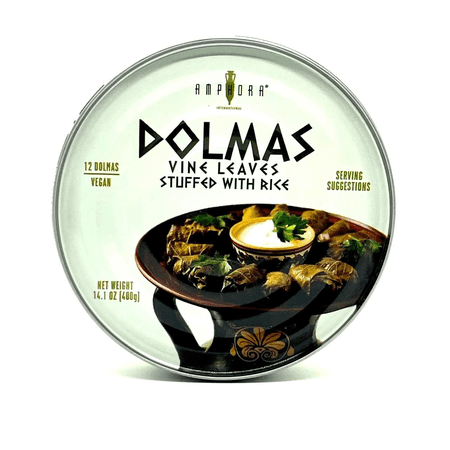

Amphora Stuffed Grape Leaves Vine Leaves Stuffed with Rice 14.1 oz
Analysis updated July 2026 · How Scout scores
At a glance
Summary
This product contains beneficial ingredients like vine leaves, onions, and herbs, which are minimally processed and provide antioxidants and flavor. However, the presence of sunflower and soybean oils, both high in omega-6 fatty acids, contributes to inflammation and detracts from the overall healthiness of the product. The processing level further limits its score, as it is not minimally processed.
Key ingredients 10
Vine leavesGood
Vine leaves are rich in antioxidants and provide dietary fiber. They are minimally processed and contribute to the nutritional profile of the dish. Their antioxidant content may support overall health.
Benefits
Rich in antioxidants and dietary fiber, supporting digestive health.
OnionsGood
Onions are a natural source of vitamins, minerals, and antioxidants. They are minimally processed and add flavor and nutritional value to dishes. Their antioxidant properties may support immune health.
Benefits
Rich in antioxidants and nutrients that support immune health.
Sea saltGood
Sea salt is a minimally processed source of sodium and trace minerals. It enhances flavor without the additives found in refined table salt. Its trace mineral content can contribute to electrolyte balance.
Risks
Excessive sodium intake can lead to hypertension and cardiovascular issues.
Benefits
Provides essential sodium and trace minerals for electrolyte balance.
PepperGood
Pepper is a natural spice that adds flavor and contains antioxidants. It is minimally processed and can enhance the taste of foods. Its antioxidant properties may support overall health.
Benefits
Contains antioxidants that may support overall health.
MintGood
Mint is a natural herb that provides flavor and potential digestive benefits. It is minimally processed and adds a refreshing taste to dishes. Its natural compounds may aid in digestion.
Benefits
May aid digestion and provide a refreshing flavor.
DillGood
Dill is a natural herb that adds flavor and contains antioxidants. It is minimally processed and enhances the taste of foods. Its antioxidant properties may support overall health.
Benefits
Contains antioxidants that may support overall health.
RiceNeutral
Rice is a staple carbohydrate source that provides energy. It is minimally processed and generally well-tolerated. However, it lacks significant micronutrients compared to whole grains.
Benefits
Provides a source of carbohydrates for energy.
Citric acidNeutral
Citric acid is a natural preservative and flavor enhancer. It is commonly used in food processing to maintain freshness and enhance flavor. It is generally recognized as safe when used in moderation.
Benefits
Helps preserve freshness and enhance flavor in foods.
Sunflower oilVery Bad
Sunflower oil is a seed oil high in omega-6 fatty acids, which can promote inflammation. It is often extracted using high heat and chemicals, which may degrade its nutritional quality. Compared to healthier oils, it lacks beneficial monounsaturated fats.
Risks
High omega-6 content may promote inflammation when consumed in excess.
Soybean oilVery Bad
Soybean oil is a seed oil high in omega-6 fatty acids, which can contribute to inflammation. It is typically extracted using chemical solvents, which may affect its purity. Compared to healthier oils, it lacks beneficial monounsaturated fats.
Risks
High omega-6 content may promote inflammation when consumed in excess.
Processing
Processed Foods
Get the full breakdown in the Scout appTake Scout shopping
Scan any product to see lab results, healthy alternatives, and your personalized analysis.
Download on theApp Store GET IT ONGoogle PlayAmazon pricing & content
Amazon price as of . Product prices and availability are accurate as of the date/time indicated and are subject to change. Any price and availability information displayed on Amazon.com at the time of purchase will apply to the purchase of this product.
CERTAIN CONTENT THAT APPEARS ON THIS SITE COMES FROM AMAZON. THIS CONTENT IS PROVIDED “AS IS” AND IS SUBJECT TO CHANGE OR REMOVAL AT ANY TIME.