


At a glance
Summary
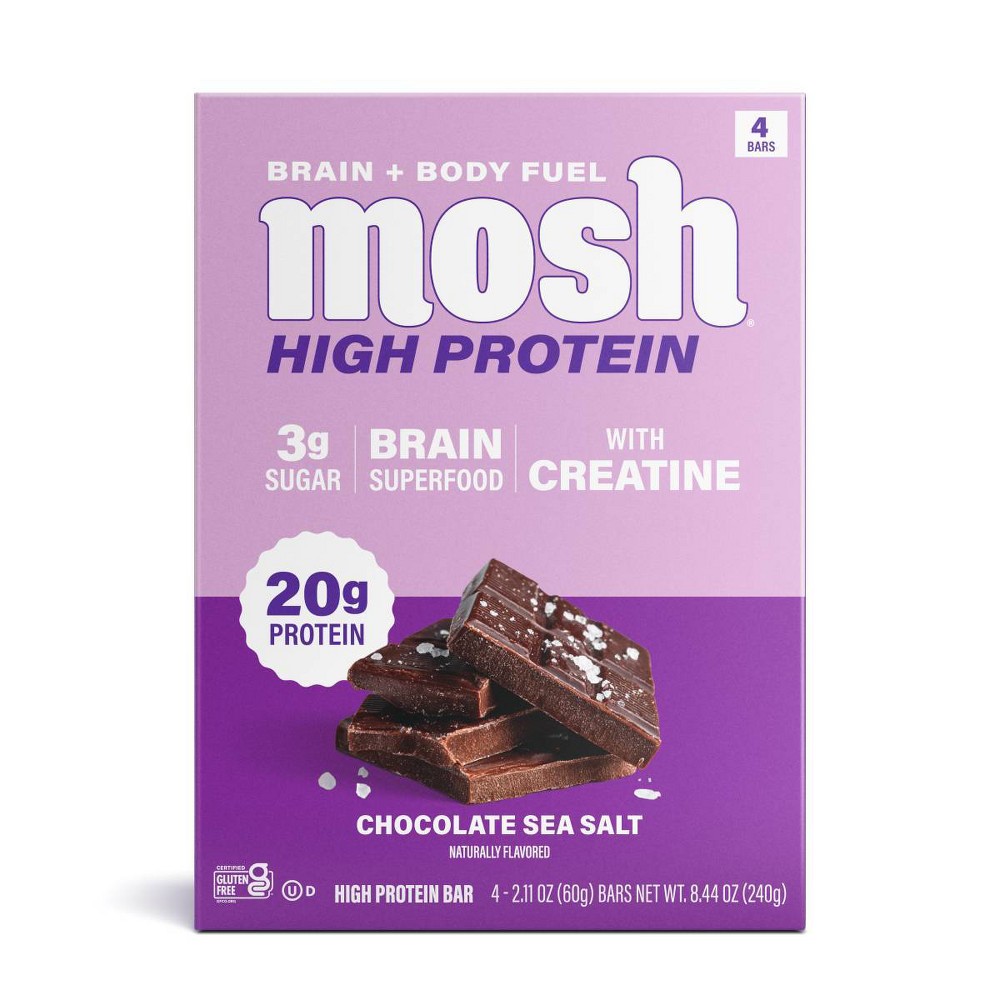
The Mosh Peanut Chocolate Chip Bar contains several beneficial ingredients such as peanuts, almonds, cocoa beans, and a brain blend that includes flaxseed and ashwagandha, which contribute to its nutritional value. However, the presence of 'natural flavor' as an ingredient raises concerns due to its lack of transparency. While the bar is processed, it avoids major harmful ingredients like seed oils and artificial sweeteners, allowing it to maintain a relatively favorable score within its category.
Key ingredients 13
PeanutsGood
Peanuts are a good source of healthy fats, protein, and fiber. They contain essential nutrients like magnesium and vitamin E. Peanuts can support heart health when consumed in moderation.
Risks
Peanuts can be allergenic and may cause severe reactions in sensitive individuals.
Benefits
Rich in monounsaturated fats and protein, supporting heart health and muscle maintenance.
AlmondsGood
Almonds are nutrient-dense nuts rich in healthy fats, protein, and vitamin E. They support heart health and provide antioxidant benefits. Almonds are also a good source of magnesium and fiber.
Risks
Almonds can be allergenic and may cause reactions in sensitive individuals.
Benefits
Support heart health and provide essential nutrients like vitamin E and magnesium.
Cocoa BeansGood
Cocoa beans are rich in antioxidants and flavonoids, which can support heart health. They provide a natural source of caffeine and theobromine. Cocoa beans may improve mood and cognitive function.
Risks
Excessive consumption may lead to caffeine-related side effects.
Benefits
Rich in antioxidants that support heart health and may improve mood.
Coconut OilGood
Coconut oil is a source of medium-chain triglycerides (MCTs) that can provide quick energy. It has antimicrobial properties and may support metabolic health. Coconut oil is less processed compared to seed oils.
Risks
High in saturated fats, which should be consumed in moderation.
Benefits
Provides MCTs that can support energy metabolism and has antimicrobial properties.
Brain BlendGood
The brain blend includes flaxseed, lion's mane, and ashwagandha, which are known for their cognitive and stress-reducing benefits. Flaxseed is rich in omega-3 fatty acids, while lion's mane and ashwagandha support brain health. This blend offers a holistic approach to cognitive support.
Benefits
Supports cognitive function and stress reduction through natural compounds.
Sea SaltGood
Sea salt is a natural source of sodium and trace minerals. It is less processed than table salt and can enhance flavor. Sea salt supports electrolyte balance and hydration.
Risks
Excessive sodium intake can lead to hypertension and cardiovascular issues.
Benefits
Provides essential minerals and supports hydration and electrolyte balance.
Vitamin B12Good
Vitamin B12 is essential for nerve function and the production of red blood cells. It is crucial for energy metabolism and cognitive health. Supplementation can be beneficial, especially for those on plant-based diets.
Benefits
Supports energy metabolism and cognitive health, especially important for vegetarians and vegans.
Pea ProteinNeutral
Pea protein is a plant-based protein source that provides a good amino acid profile. It is less allergenic compared to soy and dairy proteins. However, it may not be as bioavailable as animal-based proteins.
Benefits
Provides a plant-based protein option for those avoiding animal products.
Tapioca FiberNeutral
Tapioca fiber is a source of dietary fiber derived from cassava root. It can aid in digestion and promote satiety. However, it lacks the nutrient density of whole food fiber sources.
Benefits
May aid in digestion and help maintain a healthy gut.
MolassesNeutral
Molasses is a byproduct of sugar refining that retains some minerals like iron and calcium. It provides a natural sweetness with a lower glycemic index than refined sugar. However, it is still a sugar source and should be consumed in moderation.
Risks
High consumption can contribute to increased blood sugar levels.
Benefits
Contains trace minerals like iron and calcium, offering some nutritional value.
Vegetable GlycerinNeutral
Vegetable glycerin is a sugar alcohol used as a sweetener and humectant. It is generally recognized as safe and has a low glycemic index. However, it provides minimal nutritional benefits.
Risks
Excessive consumption may cause digestive discomfort.
Benefits
Provides sweetness with a low glycemic impact.
Sunflower LecithinNeutral
Sunflower lecithin is an emulsifier that helps blend ingredients. It is less processed than soy lecithin and is generally considered safe. However, it provides minimal nutritional benefits.
Benefits
Helps improve texture and consistency of the product.
Natural FlavorBad
Natural flavors are often used to enhance taste but lack transparency in their composition. They can contain a variety of chemical compounds. The lack of disclosure makes it difficult to assess their health impact.
Risks
Potential allergenic reactions or sensitivities due to undisclosed compounds.
Processing
Processed Foods
Get the full breakdown in the Scout appTake Scout shopping
Scan any product to see lab results, healthy alternatives, and your personalized analysis.
Download on theApp Store GET IT ONGoogle Play