


At a glance
Summary
This product contains a variety of nutrient-dense ingredients such as red peppers, spinach, sweet potatoes, and organic tofu, which contribute to its overall nutritional value. However, the presence of sweet chili sauce, which includes sugar and additives like modified corn starch, introduces a level of processing that affects the healthiness of the product. While the majority of the ingredients are minimally processed, the inclusion of processed sauces limits the score due to their impact on the overall processing level.
Key ingredients 21
Red PeppersVery Good
Red peppers are rich in vitamins A and C, providing antioxidant benefits. They are minimally processed and add vibrant color and flavor. Their high vitamin content supports immune health.
Benefits
High in antioxidants and vitamins, supporting immune function and skin health.
SpinachVery Good
Spinach is a nutrient-dense leafy green rich in iron, calcium, and vitamins A and C. It is minimally processed and supports bone health and immune function. Its high nutrient content makes it a valuable addition to any diet.
Risks
Contains oxalates, which may affect individuals prone to kidney stones.
Benefits
Rich in essential nutrients and antioxidants, supporting overall health and wellness.
CarrotsVery Good
Carrots are rich in beta-carotene, which the body converts to vitamin A. They are minimally processed and support eye health. Their natural sweetness and nutrient profile make them a healthy addition to meals.
Benefits
High in beta-carotene and fiber, supporting vision and digestive health.
Sweet PotatoGood
Sweet potatoes are a good source of fiber, vitamins, and minerals. They are minimally processed and provide complex carbohydrates. Their natural sweetness and nutrient profile make them a healthy carbohydrate choice.
Benefits
Provides dietary fiber and essential vitamins, supporting digestive health and energy levels.
Organic TofuGood
Organic tofu is a plant-based protein source made from soybeans. It is minimally processed and provides a complete amino acid profile. Its organic certification ensures no GMO soybeans are used.
Risks
May cause allergic reactions in individuals sensitive to soy.
Benefits
Rich in protein and contains all essential amino acids, supporting muscle health.
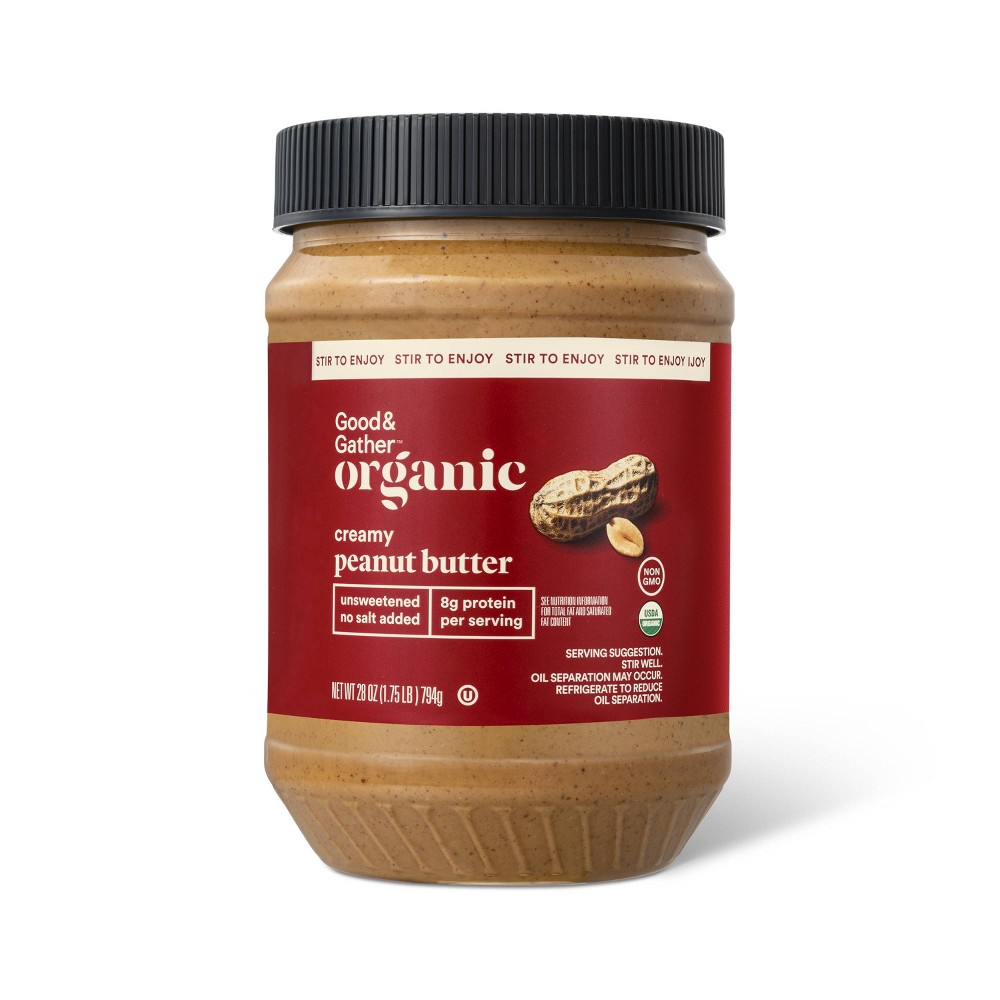
Peanut ButterGood
Peanut butter is a good source of healthy fats and protein. It is minimally processed when made from pure peanuts. Its nutrient density supports heart health and satiety.
Risks
May cause allergic reactions in individuals with peanut allergies.
Benefits
Provides healthy fats and protein, supporting heart health and energy levels.
EdamameGood
Edamame is a young soybean rich in protein and fiber. It is minimally processed and provides essential nutrients. Its high protein content supports muscle health.
Risks
May cause allergic reactions in individuals sensitive to soy.
Benefits
Rich in protein and fiber, supporting digestive health and muscle maintenance.
PeanutsGood
Peanuts are a good source of protein and healthy fats. They are minimally processed and provide essential nutrients. Their nutrient density supports heart health and satiety.
Risks
May cause allergic reactions in individuals with peanut allergies.
Benefits
Rich in protein and healthy fats, supporting heart health and energy levels.
Maple SyrupGood
Beneficial ingredient — whole-food or functional value in this product class.
Risks
High sugar content may affect blood sugar levels if consumed in excess.
Benefits
Contains trace minerals and provides a natural sweetness.
Lime JuiceGood
Lime juice is rich in vitamin C and provides a refreshing flavor. It is minimally processed and supports immune health. Its acidity can enhance the flavor profile of dishes.
Benefits
Rich in vitamin C, supporting immune function and providing antioxidant benefits.
GingerGood
Ginger is a spice known for its anti-inflammatory properties. It is minimally processed and supports digestive health. Its bioactive compounds provide health benefits.
Benefits
Supports digestion and has anti-inflammatory properties.
GarlicGood
Garlic is known for its potential cardiovascular benefits and immune support. It is minimally processed and adds flavor to dishes. Its sulfur compounds provide health benefits.
Benefits
Supports heart health and immune function.
Coconut OilGood
Coconut oil is a source of medium-chain triglycerides (MCTs) that provide quick energy. It is minimally processed and supports metabolic health. Its saturated fat content is stable at high temperatures.
Risks
High in saturated fats, which may be a concern for some individuals if consumed in excess.
Benefits
Provides MCTs that support energy metabolism and is stable for cooking at high temperatures.
Organic Sesame OilGood
Organic sesame oil is rich in antioxidants and healthy fats. It is minimally processed and supports heart health. Its organic certification ensures no synthetic pesticides are used.
Risks
May cause allergic reactions in individuals with sesame allergies.
Benefits
Rich in antioxidants and healthy fats, supporting heart health.
Cooked Jasmine RiceNeutral
Cooked jasmine rice is a staple carbohydrate source. It provides energy but lacks significant nutritional diversity. It is minimally processed and generally well-tolerated.
Risks
High glycemic index may affect blood sugar levels in sensitive individuals.
Benefits
Provides a quick source of energy and is a versatile base for many dishes.
WaterNeutral
Water is a fundamental ingredient used in cooking and processing. It is essential for hydration but does not provide additional nutrients. Its presence is necessary for the preparation of many foods.
Benefits
Essential for hydration and cooking processes.
TamariNeutral
Tamari is a soy sauce alternative that is often gluten-free. It is fermented and provides umami flavor to dishes. Its fermentation process can enhance digestibility.
Risks
High sodium content may be a concern for individuals monitoring salt intake.
Benefits
Provides umami flavor and is often gluten-free, suitable for those with gluten sensitivities.
Sambal Oelek SauceNeutral
Sambal Oelek is a chili paste that adds heat and flavor. It is made from organic ingredients and provides a spicy kick. Its organic certification ensures no synthetic pesticides are used.
Risks
May cause digestive discomfort in sensitive individuals due to its spiciness.
Benefits
Adds flavor and heat, enhancing the taste profile of dishes.
Rice VinegarNeutral
Rice vinegar is a mild vinegar used in cooking. It is minimally processed and adds acidity to dishes. Its mild flavor makes it versatile in culinary applications.
Benefits
Adds acidity and flavor, enhancing the taste of dishes.
SaltNeutral
Salt is a common seasoning used to enhance flavor. It is minimally processed but provides no additional nutrients. Its presence is necessary for flavor enhancement.
Risks
High sodium intake may be a concern for individuals monitoring salt intake.
Benefits
Enhances flavor in dishes.
Sweet Chili SauceBad
Sweet chili sauce contains sugar and additives like modified corn starch. It is processed and may contribute to high sugar intake. Its additives can be a concern for those avoiding processed ingredients.
Risks
High sugar content and additives may affect blood sugar levels and overall health.
Benefits
Provides a sweet and spicy flavor, enhancing the taste of dishes.
Processing
Processed Foods
Get the full breakdown in the Scout appTake Scout shopping
Scan any product to see lab results, healthy alternatives, and your personalized analysis.
Download on theApp Store GET IT ONGoogle Play