
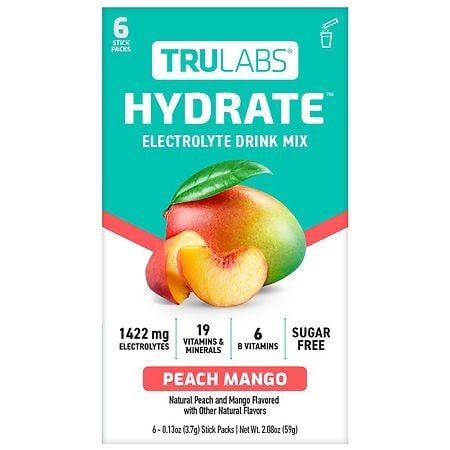

TruLabs Hydrate Sports Drink - Peach Mango - 0.78oz/6ct: Non-Caffeinated, Powdered Drink Mixes
Analysis updated July 2026 · How Scout scores
At a glance
Summary
This sports drink mix contains beneficial ingredients like potassium citrate, calcium citrate, and magnesium glycinate, which support electrolyte balance and muscle function. However, it is classified as ultra-processed due to the presence of 'natural flavors' and other additives, which limits its score. Despite the inclusion of vitamins and minerals, the processing level and lack of organic certification contribute to a capped rating.
Key ingredients 25
Cholecalciferol (Vitamin D3)Very Good
Cholecalciferol, or Vitamin D3, is essential for calcium absorption and bone health. It supports immune function and may improve mood. It is crucial for maintaining healthy bones and teeth.
Risks
Excessive intake can lead to hypercalcemia and associated health issues.
Benefits
Enhances calcium absorption and supports immune health.
Methylcobalamin (Vitamin B12)Very Good
Methylcobalamin is an active form of Vitamin B12, essential for nerve function and red blood cell formation. It supports energy production and neurological health. It is crucial for DNA synthesis and maintaining healthy nerve cells.
Benefits
Supports nerve health and energy production.
Potassium CitrateGood
Potassium citrate is used to regulate acidity and provide potassium, an essential mineral for heart and muscle function. It helps maintain electrolyte balance and prevent muscle cramps. It is beneficial in sports drinks for replenishing potassium lost through sweat.
Risks
Excessive intake may lead to hyperkalemia, a condition with elevated potassium levels.
Benefits
Supports heart health and muscle function by providing essential potassium.
Calcium CitrateGood
Calcium citrate is a calcium salt used to provide calcium, essential for bone health and muscle function. It is more easily absorbed than other forms of calcium, making it beneficial for supplementation. It supports bone density and overall skeletal health.
Risks
Excessive intake may lead to hypercalcemia, causing kidney stones and impaired absorption of other minerals.
Benefits
Enhances bone health and supports muscle function with easily absorbable calcium.
Magnesium GlycinateGood
Magnesium glycinate is a highly absorbable form of magnesium, crucial for muscle and nerve function. It is less likely to cause digestive upset compared to other forms of magnesium. It supports energy production and muscle relaxation.
Benefits
Promotes muscle relaxation and supports energy production.
Ascorbic Acid (Vitamin C)Good
Ascorbic acid, or Vitamin C, is a powerful antioxidant that supports immune function and skin health. It helps in the absorption of iron and the repair of tissues. It is essential for collagen synthesis and acts as a protective antioxidant.
Risks
Excessive intake may cause gastrointestinal disturbances.
Benefits
Boosts immune function and acts as a potent antioxidant.
Turmeric (Color)Good
Turmeric is a natural spice used for its vibrant color and potential health benefits. It contains curcumin, known for its anti-inflammatory and antioxidant properties. It is a healthier alternative to artificial colorants.
Benefits
Offers anti-inflammatory and antioxidant benefits.
Niacin (Vitamin B3)Good
Niacin, or Vitamin B3, is important for energy metabolism and maintaining healthy skin. It helps convert food into energy and supports cardiovascular health. It is essential for DNA repair and stress responses.
Risks
High doses may cause flushing and liver damage.
Benefits
Supports energy metabolism and cardiovascular health.
Zinc Amino Acid ChelateGood
Zinc amino acid chelate is a highly absorbable form of zinc, crucial for immune function and wound healing. It supports enzyme function and DNA synthesis. It is beneficial for maintaining a healthy immune system.
Risks
Excessive intake can interfere with copper absorption and cause gastrointestinal issues.
Benefits
Enhances immune function and supports wound healing.
Iron Amino Acid ChelateGood
Iron amino acid chelate is a form of iron that is easily absorbed and gentle on the stomach. It is essential for oxygen transport and energy production. It helps prevent iron deficiency anemia.
Risks
Excessive intake can lead to iron overload and associated health issues.
Benefits
Supports oxygen transport and prevents anemia.
Selenium Amino Acid ChelateGood
Selenium amino acid chelate is a bioavailable form of selenium, important for antioxidant defense and thyroid function. It supports immune health and protects cells from oxidative damage. It is crucial for maintaining metabolic health.
Risks
High doses can lead to selenium toxicity, causing hair loss and gastrointestinal issues.
Benefits
Supports antioxidant defense and thyroid health.
Monk Fruit ExtractGood
Beneficial ingredient — whole-food or functional value in this product class.
Benefits
Provides sweetness without calories or affecting blood sugar levels.
d-Calcium Pantothenate (Vitamin B5)Good
d-Calcium pantothenate is a form of Vitamin B5, important for energy metabolism and the synthesis of coenzyme A. It supports adrenal function and the production of neurotransmitters. It is essential for converting food into energy.
Benefits
Supports energy metabolism and adrenal function.
Thiamine Hydrochloride (Vitamin B1)Good
Thiamine hydrochloride is a form of Vitamin B1, crucial for energy metabolism and nerve function. It helps convert carbohydrates into energy and supports cardiovascular health. It is essential for maintaining healthy nerve and muscle function.
Benefits
Supports energy metabolism and nerve function.
Riboflavin (Vitamin B2)Good
Riboflavin, or Vitamin B2, is important for energy production and the metabolism of fats, drugs, and steroids. It supports skin health and the conversion of food into energy. It is essential for maintaining healthy skin and eyes.
Benefits
Supports energy production and skin health.
Pyridoxine Hydrochloride (Vitamin B6)Good
Pyridoxine hydrochloride is a form of Vitamin B6, essential for protein metabolism and cognitive development. It supports neurotransmitter synthesis and immune function. It is crucial for brain health and the production of hemoglobin.
Risks
Excessive intake may cause nerve damage.
Benefits
Supports protein metabolism and cognitive development.
SaltNeutral
Salt is essential for maintaining fluid balance and nerve function. However, excessive intake can lead to hypertension and cardiovascular issues. In sports drinks, it helps replenish electrolytes lost through sweat.
Risks
Excessive consumption can lead to high blood pressure and cardiovascular problems.
Benefits
Helps in maintaining electrolyte balance and proper hydration during physical activities.
Malic AcidNeutral
Malic acid is a naturally occurring acid found in fruits, used to enhance flavor and tartness. It is generally recognized as safe when consumed in typical amounts found in food. It can improve the taste profile of beverages without adding sugar.
Benefits
Enhances flavor and may improve energy production in the body.
Citric AcidNeutral
Citric acid is a natural preservative and flavor enhancer found in citrus fruits. It is widely used in food and beverages for its sour taste and preservative qualities. It can help improve the stability and shelf life of products.
Risks
Excessive consumption may cause dental erosion.
Benefits
Acts as a natural preservative and enhances flavor.
Fermented Sugarcane Reb MNeutral
Fermented sugarcane Reb M is a steviol glycoside derived from sugarcane, used as a natural sweetener. It provides sweetness without calories, making it suitable for low-calorie products. It is considered safe and does not affect blood sugar levels.
Benefits
Provides sweetness without adding calories or affecting blood sugar levels.
Vegetable Juice (Color)Neutral
Vegetable juice is used as a natural coloring agent, providing color without artificial dyes. It is derived from vegetables and is generally considered safe. It enhances the visual appeal of the product naturally.
Benefits
Provides natural color without artificial additives.
Chromium ChlorideNeutral
Chromium chloride is a source of chromium, a trace mineral involved in carbohydrate and lipid metabolism. It may help improve insulin sensitivity and glucose metabolism. It is generally safe in small amounts found in food.
Risks
Excessive intake may cause gastrointestinal discomfort and kidney issues.
Benefits
May support glucose metabolism and insulin sensitivity.
Vanadyl Sulfate (Vanadium)Neutral
Vanadyl sulfate is a form of vanadium, a trace mineral with potential insulin-mimetic effects. It is used in supplements for its possible role in glucose metabolism. Its efficacy and safety in humans are not well-established.
Risks
High doses may cause gastrointestinal issues and kidney damage.
Benefits
May mimic insulin and support glucose metabolism.
Copper GluconateNeutral
Copper gluconate is a form of copper used to provide this essential trace mineral. It supports iron metabolism and the formation of red blood cells. It is generally safe in small amounts found in food.
Risks
Excessive intake can lead to copper toxicity, causing liver and kidney damage.
Benefits
Supports iron metabolism and red blood cell formation.
Natural FlavorBad
Natural flavors are complex mixtures created by flavorists to enhance taste, but their exact composition is often undisclosed. This lack of transparency can be concerning for consumers seeking to avoid certain additives. They are heavily processed and may contain solvents and preservatives.
Risks
Potential allergens and undisclosed additives may pose health risks.
Processing
Ultra-Processed Foods
Get the full breakdown in the Scout appTake Scout shopping
Scan any product to see lab results, healthy alternatives, and your personalized analysis.
Download on theApp Store GET IT ONGoogle Play