
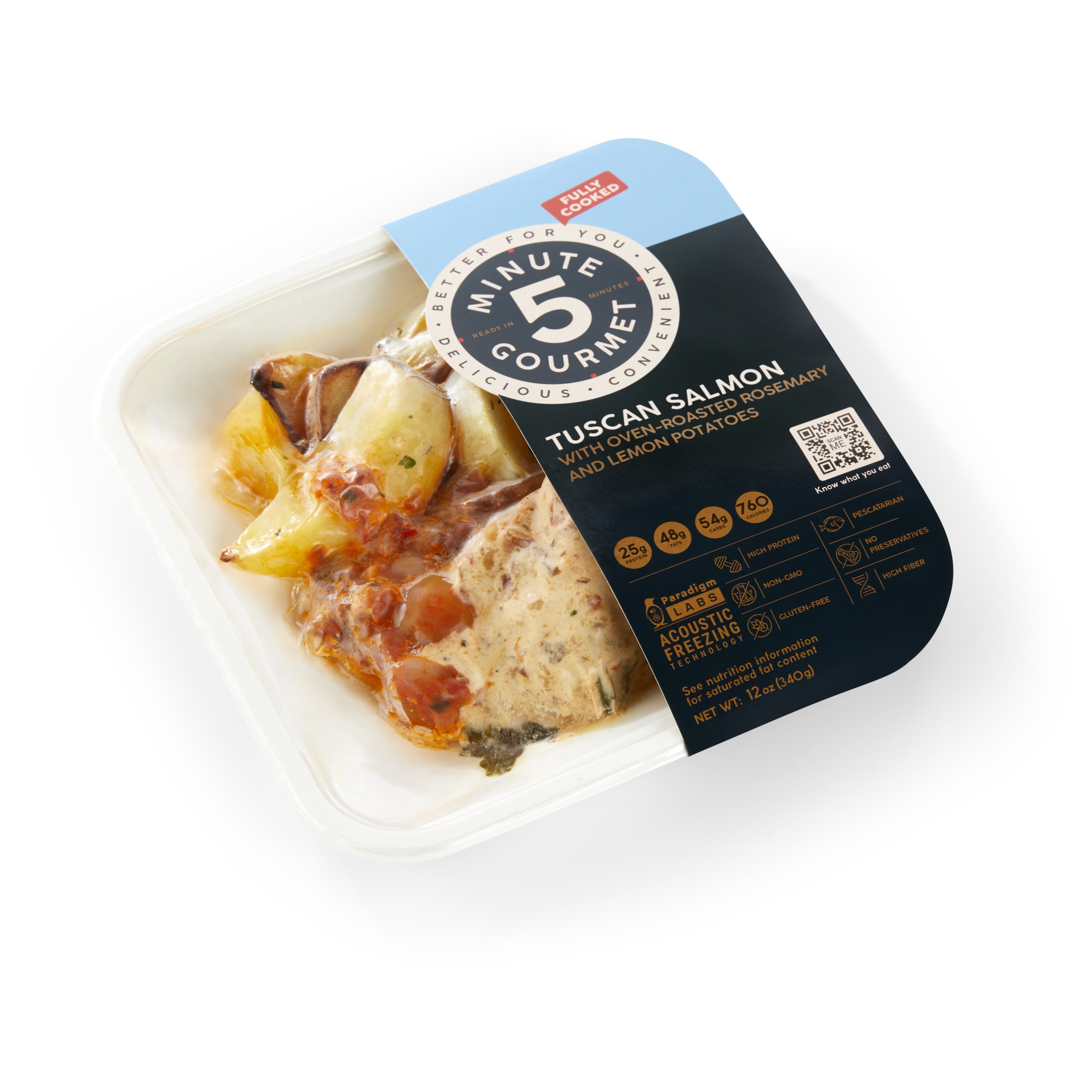


Salmon With Quinoa Italian Herb And Vegetables
Analysis updated September 2026 · How Scout scores
At a glance
Summary
This product features a variety of nutrient-dense ingredients such as pumpkin, spinach, and olive oil, which contribute beneficial vitamins, minerals, and healthy fats. The inclusion of minimally processed ingredients like sea salt and herbs enhances its nutritional profile. However, the presence of processed components like farfalle pasta and cream, along with its processed food classification, limits the score despite the overall clean ingredient list.
Key ingredients 17
SpinachVery Good
Spinach is a leafy green vegetable rich in vitamins A, C, and K, as well as iron and calcium. It is low in calories and high in antioxidants, supporting overall health. Its nutrient density makes it a valuable addition to any diet.
Benefits
Rich in essential vitamins and minerals, supporting bone health and immune function.
Olive OilVery Good
Olive oil is a high-quality monounsaturated fat with anti-inflammatory properties. It contains antioxidants that support heart health and is often cold-pressed to preserve beneficial compounds. It is a staple in Mediterranean diets known for its health benefits.
Benefits
Rich in monounsaturated fats and antioxidants, supporting heart health and reducing inflammation.
PumpkinGood
Pumpkin is a nutrient-dense vegetable rich in vitamins A and C. It provides dietary fiber and antioxidants that support immune health. Its natural sweetness can enhance flavor without added sugars.
Benefits
Rich in vitamins and antioxidants that support immune function and eye health.
CreamGood
Traditional whole-fat dairy ingredient.
Risks
High in saturated fats, which may impact heart health if consumed excessively.
Benefits
Adds richness and flavor to dishes, enhancing culinary experience.
OnionsGood
Onions are a flavorful vegetable that contains antioxidants and compounds that may reduce inflammation. They are low in calories and can enhance the flavor profile of dishes. Onions also provide vitamin C and dietary fiber.
Benefits
Contains antioxidants and compounds that may support heart health and reduce inflammation.
Sea SaltGood
Sea salt is a minimally processed source of sodium and trace minerals. It enhances flavor without the additives found in refined table salt. Its mineral content can vary based on the source.
Risks
Excessive sodium intake can lead to high blood pressure.
Benefits
Provides essential minerals and enhances flavor in dishes.
BasilGood
Basil is an aromatic herb rich in antioxidants and essential oils. It adds flavor and aroma to dishes while providing potential anti-inflammatory benefits. Fresh basil is often used in Mediterranean cuisine.
Benefits
Rich in antioxidants and essential oils, supporting overall health.
ParsleyGood
Parsley is a herb rich in vitamins A, C, and K, as well as antioxidants. It is often used as a garnish or flavor enhancer in dishes. Its nutrient profile supports bone health and immune function.
Benefits
Rich in vitamins and antioxidants, supporting bone health and immune function.
Pine NutsGood
Pine nuts are a source of healthy fats, protein, and essential minerals like magnesium and zinc. They add a nutty flavor and texture to dishes. Their nutrient profile supports heart health and energy metabolism.
Risks
Allergic reactions may occur in individuals with nut allergies.
Benefits
Rich in healthy fats and essential minerals, supporting heart health and energy metabolism.
LemonGood
Lemon is a citrus fruit high in vitamin C and antioxidants. It adds a refreshing flavor and can enhance the absorption of iron from plant-based foods. Its acidity can also aid in digestion.
Benefits
High in vitamin C and antioxidants, supporting immune health and iron absorption.
GarlicGood
Garlic is known for its potential cardiovascular benefits and immune-boosting properties. It contains sulfur compounds that may reduce inflammation and improve heart health. Garlic is a staple in many cuisines for its flavor and health benefits.
Risks
May cause digestive discomfort in some individuals if consumed in large amounts.
Benefits
Contains sulfur compounds that support heart health and immune function.
Black PepperGood
Beneficial ingredient — whole-food or functional value in this product class.
Benefits
May enhance nutrient absorption and adds flavor to dishes.
ThymeGood
Thyme is an herb with antimicrobial properties and a rich source of antioxidants. It adds flavor and aroma to dishes while supporting immune health. Thyme is commonly used in Mediterranean and European cuisines.
Benefits
Rich in antioxidants and antimicrobial compounds, supporting immune health.
FarfalleNeutral
Farfalle is a type of pasta made from semolina wheat and water. It provides carbohydrates for energy but lacks significant nutritional benefits beyond that. It is a staple in many diets but should be consumed in moderation.
Risks
May contribute to high carbohydrate intake if consumed in excess.
Benefits
Provides a source of carbohydrates for energy.
CheeseNeutral
Cheese is a dairy product that provides calcium and protein but is also high in saturated fats. It can enhance flavor and texture in dishes but should be consumed in moderation. The type of cheese can affect its nutritional profile.
Risks
High in saturated fats, which may impact heart health if consumed excessively.
Benefits
Provides calcium and protein, supporting bone health.
Chili FlakesNeutral
Chili flakes add heat and flavor to dishes and contain capsaicin, which may have metabolic benefits. They are used in small amounts to enhance culinary experience. Capsaicin may also have anti-inflammatory properties.
Risks
May cause digestive discomfort in sensitive individuals.
Benefits
Contains capsaicin, which may support metabolism and provide anti-inflammatory benefits.
Bay LeavesNeutral
Bay leaves are used to add flavor to soups and stews. They contain essential oils that may have mild digestive benefits. Typically removed before serving, they are primarily used for their aromatic properties.
Benefits
Adds flavor and aroma to dishes, with potential mild digestive benefits.
Processing
Processed Foods
Get the full breakdown in the Scout appTake Scout shopping
Scan any product to see lab results, healthy alternatives, and your personalized analysis.
Download on theApp Store GET IT ONGoogle Play