
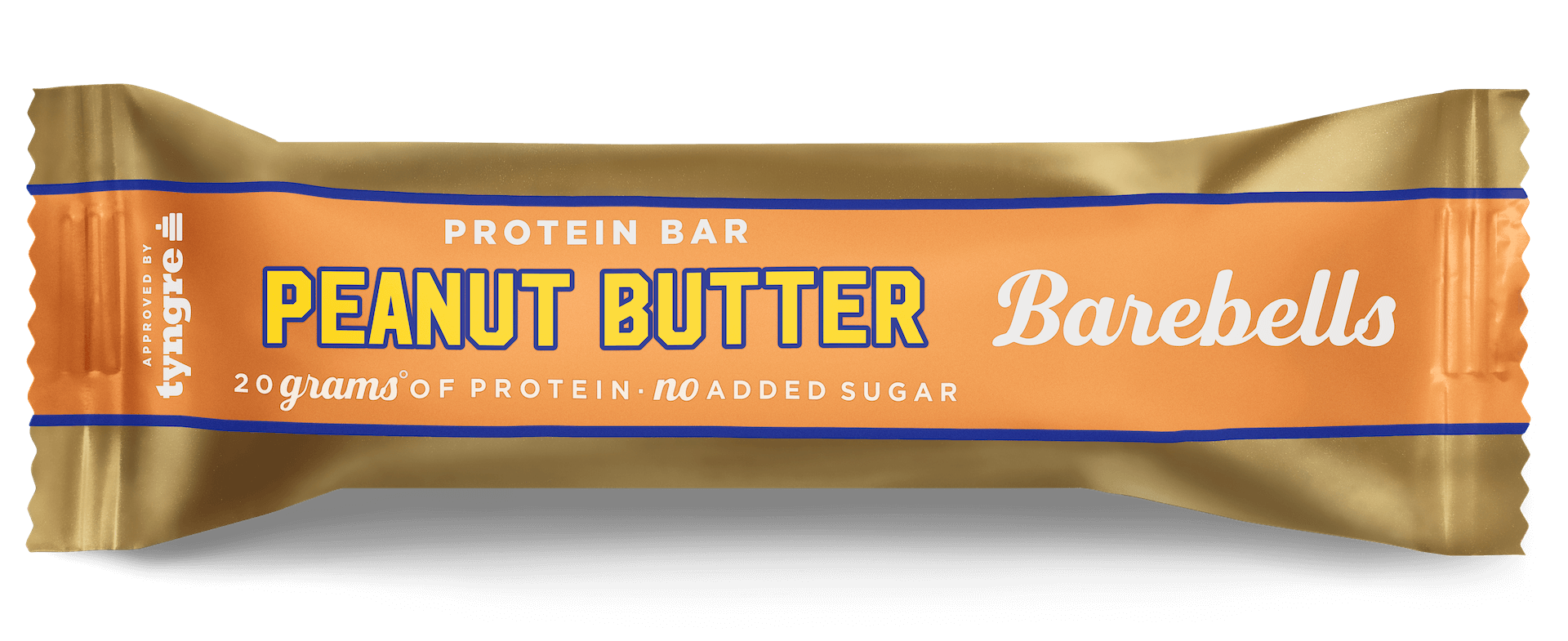


Peanut Butter Barebell
Summary
This product contains a mix of beneficial ingredients like whey protein isolate and peanut butter, which provide high-quality protein and healthy fats. However, it is heavily processed and includes several artificial additives such as maltitol, sucralose, and artificial flavors, which can have negative health impacts. The high level of processing and presence of these additives significantly limit its healthiness despite the good macronutrient profile.
At a glance
Key ingredients 21
Milk Protein BlendGood
Milk protein blend provides a high-quality source of protein with a complete amino acid profile. It supports muscle repair and growth, making it beneficial for active individuals. The blend typically includes casein and whey, offering both fast and slow-digesting proteins.
Benefits
Supports muscle repair and growth due to its complete amino acid profile. Provides both fast and slow-digesting proteins for sustained energy.
Calcium CaseinateGood
Calcium caseinate is a slow-digesting protein that helps maintain muscle mass and supports recovery. It is derived from milk and provides a steady release of amino acids. This makes it ideal for prolonged periods without food, such as overnight.
Benefits
Helps maintain muscle mass and supports recovery with a steady release of amino acids. Ideal for prolonged periods without food.
Whey Protein IsolateVery Good
Whey protein isolate is a high-quality protein source with minimal lactose and fat. It is rapidly absorbed, making it excellent for post-workout recovery. The isolation process removes most non-protein components, enhancing its purity.
Benefits
Excellent for post-workout recovery due to rapid absorption and high protein content. Minimal lactose and fat content make it suitable for those with lactose intolerance.
Whey Protein ConcentrateGood
Whey protein concentrate is a rich source of protein and essential amino acids. It supports muscle growth and repair, although it contains more lactose and fat than isolate. It is less processed than isolate, retaining more beneficial compounds.
Risks
May cause digestive issues for those with lactose intolerance due to higher lactose content.
Benefits
Supports muscle growth and repair with a rich source of protein and essential amino acids. Retains more beneficial compounds due to less processing.
MaltitolBad
Maltitol is a sugar alcohol used as a sugar substitute, providing fewer calories than sugar. It can cause digestive discomfort, such as bloating and diarrhea, especially in large amounts. It is less beneficial than natural sweeteners due to potential gastrointestinal effects.
Risks
May cause digestive discomfort, such as bloating and diarrhea, especially in large amounts.
Benefits
Provides fewer calories than sugar, making it a lower-calorie sweetener option.
GlycerinNeutral
Glycerin is a sugar alcohol used to retain moisture and sweetness in food products. It is generally recognized as safe but offers no significant nutritional benefits. It is often used in small amounts to improve texture and shelf life.
Benefits
Helps retain moisture and improve texture in food products.
Bovine Collagen HydrolysateGood
Bovine collagen hydrolysate is a source of collagen peptides that support joint health and skin elasticity. It is derived from cow hides and is easily absorbed by the body. Regular consumption may improve skin hydration and reduce joint pain.
Benefits
Supports joint health and skin elasticity with easily absorbed collagen peptides. May improve skin hydration and reduce joint pain.
Peanut ButterGood
Peanut butter is a nutrient-dense food rich in healthy fats, protein, and fiber. It provides essential vitamins and minerals, such as vitamin E and magnesium. The natural oils and protein content make it a satisfying and energy-dense ingredient.
Risks
May cause allergic reactions in individuals with peanut allergies.
Benefits
Rich in healthy fats, protein, and fiber, providing essential vitamins and minerals. Satisfying and energy-dense, supporting sustained energy levels.
Soy Protein IsolateBad
Soy protein isolate is a highly processed form of soy protein with a less complete amino acid profile compared to animal proteins. It may contain phytoestrogens, which can affect hormone balance in sensitive individuals. The processing methods can also reduce the bioavailability of certain nutrients.
Risks
May affect hormone balance due to phytoestrogens and reduce nutrient bioavailability.
Benefits
Provides a plant-based protein source with a moderate protein content.
PolydextroseNeutral
Polydextrose is a synthetic polymer of glucose used as a low-calorie bulking agent and fiber source. It is generally recognized as safe but offers limited nutritional benefits. It can improve texture and add bulk to low-calorie foods.
Risks
May cause digestive discomfort in some individuals when consumed in large amounts.
Benefits
Adds bulk and fiber to low-calorie foods, improving texture.
Cocoa ButterGood
Cocoa butter is a natural fat extracted from cocoa beans, rich in healthy saturated fats. It provides a smooth texture and rich flavor to food products. It also contains antioxidants that may support skin health.
Benefits
Rich in healthy saturated fats and antioxidants, supporting skin health and providing a smooth texture.
WaterNeutral
Water is used as a solvent and to maintain moisture in food products. It is essential for life but does not provide any calories or nutrients. Its primary role in food is to improve texture and consistency.
Benefits
Essential for life and helps maintain moisture and texture in food products.
Dry Whole MilkGood
Dry whole milk is a dehydrated form of milk that retains most of its nutrients, including protein, calcium, and vitamins. It provides a rich source of nutrients in a concentrated form. It is often used to enhance the nutritional profile of food products.
Risks
May cause allergic reactions in individuals with milk allergies or lactose intolerance.
Benefits
Rich source of protein, calcium, and vitamins, enhancing the nutritional profile of food products.
Roasted Peanut PiecesGood
Roasted peanut pieces add texture and flavor, providing healthy fats, protein, and fiber. They are a good source of vitamins and minerals, such as niacin and magnesium. Roasting enhances flavor but may reduce some heat-sensitive nutrients.
Risks
May cause allergic reactions in individuals with peanut allergies.
Benefits
Provides healthy fats, protein, and fiber, along with essential vitamins and minerals. Enhances flavor and texture.
Unsweetened ChocolateGood
Unsweetened chocolate is rich in antioxidants and healthy fats, providing a deep chocolate flavor without added sugars. It contains flavonoids that may support heart health. The absence of sugar makes it a healthier chocolate option.
Benefits
Rich in antioxidants and flavonoids, supporting heart health. Provides a deep chocolate flavor without added sugars.
XylitolNeutral
Xylitol is a sugar alcohol used as a low-calorie sweetener, providing sweetness without raising blood sugar levels. It is beneficial for dental health as it reduces the risk of cavities. However, excessive consumption can lead to digestive discomfort.
Risks
May cause digestive discomfort, such as bloating and diarrhea, especially in large amounts.
Benefits
Provides sweetness without raising blood sugar levels and supports dental health by reducing the risk of cavities.
Artificial FlavorsBad
Artificial flavors are chemically synthesized compounds used to mimic natural flavors. They offer no nutritional benefits and may contribute to hyperactivity in sensitive individuals. The use of artificial flavors indicates a higher level of processing.
Risks
May contribute to hyperactivity in sensitive individuals and indicate higher processing levels.
Natural FlavorsBad
Natural flavors are derived from natural sources but are highly processed to enhance flavor. They offer no nutritional benefits and can mask the quality of the underlying ingredients. The term 'natural' can be misleading as it involves significant processing.
Risks
May mask the quality of underlying ingredients and involve significant processing.
SaltNeutral
Salt is used to enhance flavor and preserve food, providing essential sodium for bodily functions. However, excessive intake can lead to hypertension and cardiovascular issues. It is important to consume salt in moderation.
Risks
Excessive intake can lead to hypertension and cardiovascular issues.
Benefits
Enhances flavor and provides essential sodium for bodily functions.
Sunflower LecithinNeutral
Sunflower lecithin is used as an emulsifier to improve texture and consistency in food products. It is derived from sunflower seeds and is generally considered safe. It offers no significant nutritional benefits but aids in the blending of ingredients.
Benefits
Improves texture and consistency in food products by acting as an emulsifier.
SucraloseBad
Sucralose is an artificial sweetener that provides sweetness without calories. It is much sweeter than sugar, allowing for smaller quantities to be used. However, it may alter gut microbiota and has been linked to potential metabolic effects.
Risks
May alter gut microbiota and has been linked to potential metabolic effects.
Benefits
Provides sweetness without calories, allowing for reduced sugar content in foods.
Processing
Ultra-Processed Foods
Get the full breakdown in the Scout app
Scan any product to see lab results, healthy alternatives, and your personalized analysis.
Download on theApp Store