




At a glance
Summary
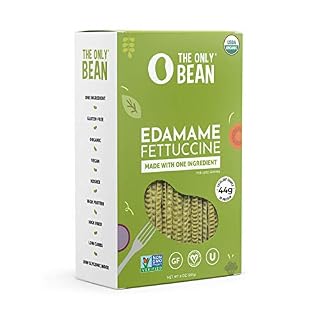
This product contains a mix of beneficial ingredients like buckwheat flour, pea fiber, and konjac, which contribute to its fiber content and nutritional value. However, it is a processed food with ingredients such as vital wheat gluten and xanthan gum, which indicate a moderate level of processing. The presence of multiple processed ingredients and additives like xanthan gum limits its score, despite the inclusion of some healthful components.
Key ingredients 11
Buckwheat FlourGood
Buckwheat flour is a gluten-free flour rich in fiber and essential nutrients. It is less processed than refined wheat flour and offers a good source of antioxidants. It is beneficial for those with gluten intolerance.
Benefits
Rich in fiber and antioxidants, supporting digestive health and reducing inflammation.
Pea FiberGood
Pea fiber is a natural source of dietary fiber that aids in digestion. It is minimally processed and helps improve gut health. It is a beneficial addition to foods for increasing fiber content.
Benefits
Supports digestive health by providing dietary fiber and promoting regular bowel movements.
KonjacGood
Konjac is a plant-based ingredient high in soluble fiber, known for its ability to aid in weight management. It is minimally processed and can help improve digestion. It is often used in low-calorie and low-carb foods.
Risks
Excessive consumption may cause digestive discomfort such as bloating or gas.
Benefits
Supports weight management and digestive health due to its high fiber content.
Vital Wheat GlutenNeutral
Vital wheat gluten is a concentrated protein source derived from wheat. It is used to enhance the protein content of foods but may cause issues for those with gluten sensitivity. It is a processed ingredient but does not contain harmful additives.
Risks
May cause digestive issues for individuals with gluten intolerance or celiac disease.
Benefits
Provides a high protein content which can be beneficial for muscle maintenance and growth.
Pea ProteinNeutral
Pea protein is a plant-based protein source that is often used in vegan and vegetarian products. It is less processed than some other plant-based proteins but may have lower bioavailability compared to animal proteins. It is free from common allergens like soy and dairy.
Benefits
Offers a good source of protein for those avoiding animal products and is hypoallergenic.
Tapioca StarchNeutral
Tapioca starch is a refined carbohydrate extracted from cassava root. It is used as a thickening agent and is gluten-free. It is highly processed and lacks significant nutritional value.
Risks
May contribute to blood sugar spikes due to its high glycemic index.
Benefits
Provides a gluten-free alternative for thickening and binding in recipes.
SaltNeutral
Salt is a common seasoning used to enhance flavor in foods. It is a refined ingredient without additional health benefits. Excessive consumption can lead to health issues such as hypertension.
Risks
High sodium intake can increase the risk of hypertension and cardiovascular diseases.
Benefits
Enhances flavor and is essential for maintaining electrolyte balance in the body.
Glutinous Rice FlourNeutral
Glutinous rice flour is a refined carbohydrate used for its sticky texture in cooking. It is gluten-free but lacks significant nutritional benefits. It is commonly used in Asian cuisine.
Risks
May contribute to blood sugar spikes due to its refined nature.
Benefits
Provides a gluten-free option for creating chewy textures in foods.
Xanthan GumNeutral
Xanthan gum is a polysaccharide used as a thickening and stabilizing agent in foods. It is a processed additive but generally recognized as safe in small amounts. It is commonly used in gluten-free baking.
Risks
May cause digestive issues in sensitive individuals when consumed in large amounts.
Benefits
Improves texture and stability in gluten-free and low-fat products.
Sodium CarbonateNeutral
Sodium carbonate is used as a leavening agent and pH regulator in foods. It is a processed ingredient but is generally recognized as safe. It helps improve the texture and color of noodles.
Benefits
Enhances the texture and color of noodles, contributing to a better culinary experience.
Wheat FlourBad
Refined grain flour stripped of bran and germ.
Risks
May contribute to blood sugar spikes due to its refined nature.
Benefits
Provides energy through carbohydrates and some protein content.
Processing
Processed Foods
Get the full breakdown in the Scout appTake Scout shopping
Scan any product to see lab results, healthy alternatives, and your personalized analysis.
Download on theApp Store GET IT ONGoogle Play