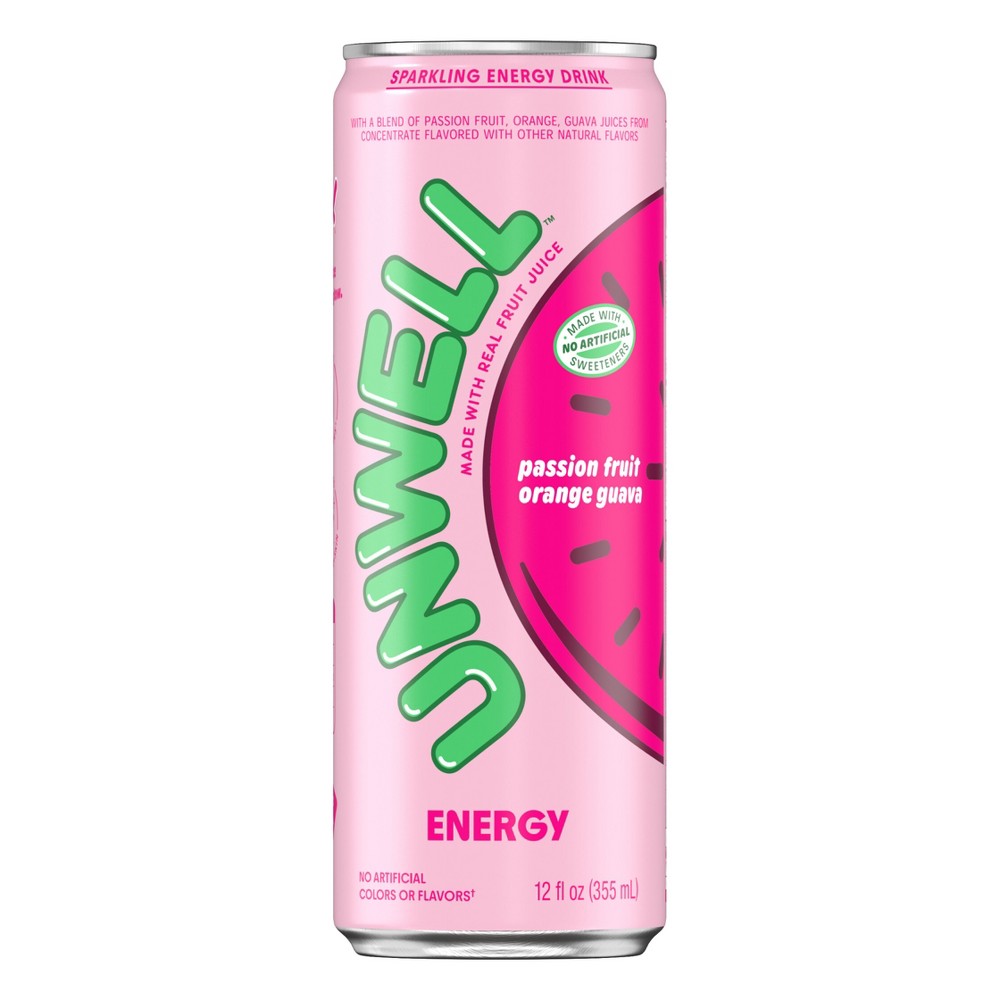
Rainbow Sherbet Sparkling Energy Drink

At a glance
Summary
This energy drink contains beneficial ingredients like taurine, L-theanine, and caffeine from green tea extract, which support cognitive function and energy. However, it includes synthetic preservatives such as potassium sorbate and sodium benzoate, which are controversial due to potential health risks. The use of natural flavors, which can be highly processed and lack transparency, also affects the overall ingredient quality. It comes in an aluminum can, whose plastic lining costs it a few points.
Key ingredients 16
TaurineGood
Taurine is an amino acid that supports neurological development and helps regulate water and mineral levels in the blood. It is often included in energy drinks for its potential to improve athletic performance. Taurine is generally considered safe and beneficial in moderate amounts.
Benefits
May improve exercise performance and support cardiovascular health.
N-Acetyl-L-TyrosineGood
N-Acetyl-L-Tyrosine is a more bioavailable form of the amino acid tyrosine, which supports brain function and stress response. It is often used in supplements to enhance cognitive performance and mood. Its enhanced absorption makes it a preferred form in dietary supplements.
Benefits
May improve mental performance and reduce stress.
L-TheanineGood
L-Theanine is an amino acid found in tea leaves, known for promoting relaxation without drowsiness. It is often used in combination with caffeine to enhance focus and reduce stress. Its calming effects make it a beneficial addition to energy drinks.
Benefits
May improve mental focus and promote relaxation.
Alpha-GPCGood
Alpha-GPC is a choline compound that supports cognitive function and brain health. It is often used in supplements to enhance memory and learning. Its ability to increase acetylcholine levels makes it beneficial for mental performance.
Benefits
May enhance cognitive function and support brain health.
Caffeine (from Green Tea Extract)Good
Caffeine from green tea extract provides a natural source of energy and alertness. It is often preferred for its additional antioxidants from green tea. The natural origin and added health benefits make it a favorable choice in energy drinks.
Risks
Excessive caffeine intake can lead to jitteriness, insomnia, and increased heart rate.
Benefits
May improve mental alertness and provide antioxidant benefits.
Pyridoxine Hydrochloride (Vitamin B6)Good
Pyridoxine hydrochloride is a form of vitamin B6, essential for protein metabolism and cognitive development. It supports energy production and brain health. Its inclusion in energy drinks is beneficial for maintaining overall health.
Benefits
Supports energy metabolism and cognitive function.
Methylcobalamin (Vitamin B12)Good
Methylcobalamin is a bioactive form of vitamin B12, crucial for nerve function and red blood cell formation. It is often used in supplements for its superior absorption and effectiveness. Its role in energy production makes it a valuable addition to energy drinks.
Benefits
Supports nerve health and energy production.
Carbonated WaterNeutral
Carbonated water is simply water infused with carbon dioxide gas under pressure. It is a common base for many beverages and does not have any significant health impacts. It provides a refreshing taste without any calories or sugars.
See more about Carbonated Water →Citric AcidNeutral
Citric acid is a natural acid found in citrus fruits, used as a preservative and flavor enhancer. It is generally recognized as safe and commonly used in food and beverages. It can add a tangy flavor without adding calories.
Risks
Excessive consumption may lead to dental erosion due to its acidic nature.
Reb MNeutral
Reb M is a steviol glycoside derived from the stevia plant, used as a natural sweetener. It provides sweetness without calories and is considered safe for consumption. It is a popular alternative to sugar and artificial sweeteners.
Benefits
Provides sweetness without adding calories or affecting blood sugar levels.
Malic AcidNeutral
Malic acid is a naturally occurring acid in fruits, used to enhance flavor and acidity in foods and beverages. It is generally recognized as safe and adds a tart taste. It is commonly used in food processing without significant health impacts.
Risks
Excessive consumption may cause digestive discomfort.
Natural Rainbow Sherbet FlavorsBad
Natural flavors are often used to enhance taste but can be highly processed and lack transparency. They may contain a variety of chemical compounds derived from natural sources. The lack of disclosure about specific components can be concerning for consumers.
Risks
Potential allergens and undisclosed additives may be present, posing risks to sensitive individuals.
Natural Vanilla FlavorsBad
Natural vanilla flavors are derived from vanilla beans but can include other natural compounds. They are used to enhance flavor but may be highly processed. The lack of transparency in the composition of natural flavors can be a concern.
Risks
Potential allergens and undisclosed additives may be present, posing risks to sensitive individuals.
Natural Orange Cream FlavorsBad
Natural orange cream flavors are used to mimic the taste of orange cream but may include various natural compounds. They are often highly processed and lack transparency. The use of natural flavors can be misleading as they may not be entirely derived from the named source.
Risks
Potential allergens and undisclosed additives may be present, posing risks to sensitive individuals.
Potassium SorbateBad
Potassium sorbate is a preservative used to prevent mold and yeast growth in foods and beverages. While effective, it is a synthetic additive and may cause allergic reactions in sensitive individuals. Its use in processed foods is common but not without controversy.
Risks
May cause allergic reactions or skin irritation in sensitive individuals.
Sodium BenzoateBad
Sodium benzoate is a preservative used to inhibit microbial growth in acidic foods and beverages. It is a synthetic additive and can form benzene, a carcinogen, when combined with vitamin C. Its use is controversial due to potential health risks.
Risks
May form benzene, a carcinogen, when combined with vitamin C.
Processing
Ultra-Processed Foods
Get the full breakdown in the Scout appTake Scout shopping
Scan any product to see lab results, healthy alternatives, and your personalized analysis.
Are you nello ENERGY? Fix an error Get the badge Get tested