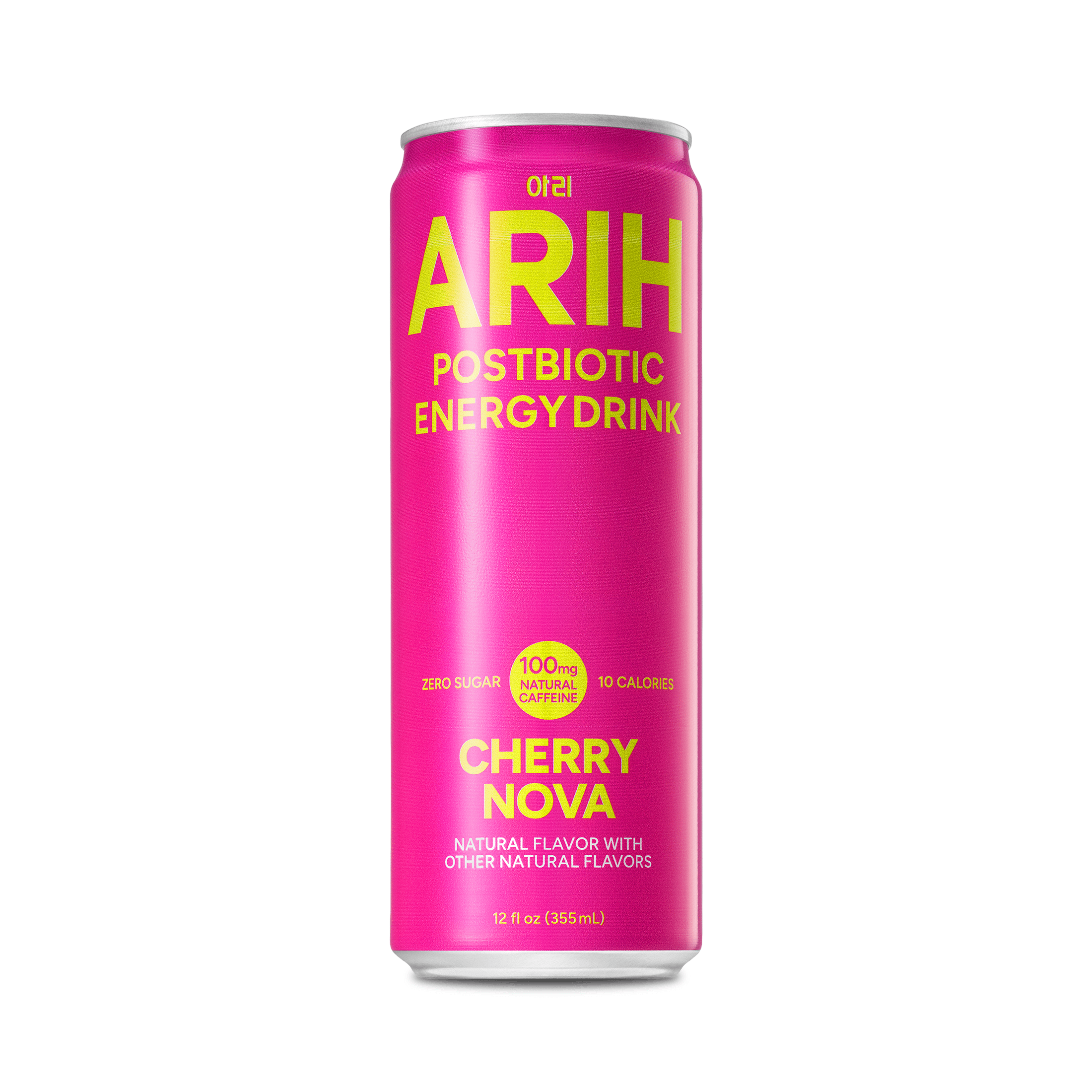
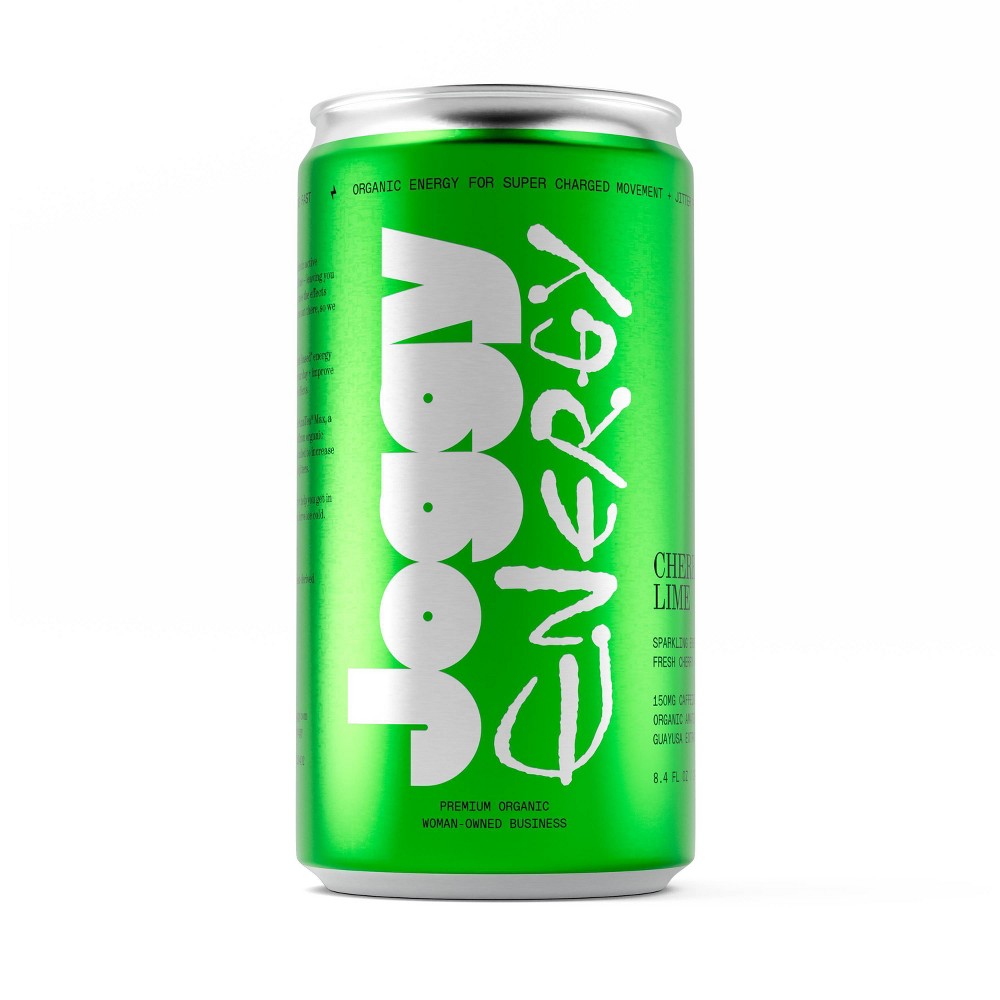
Cherry Sakura Red bull Sugar Free
At a glance
Summary
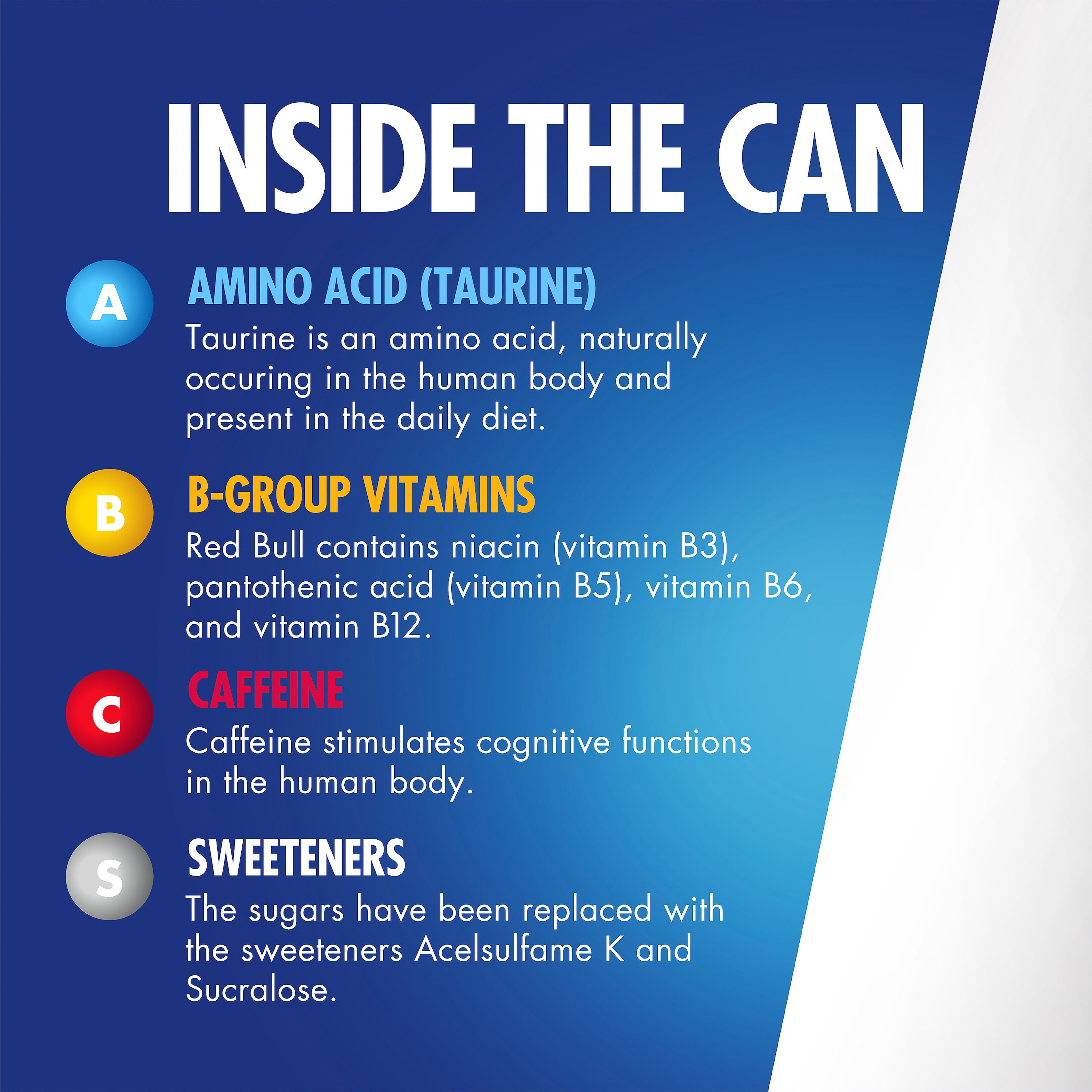
This energy drink is ultra-processed but contains no added sugars, which is a positive aspect. However, it includes artificial sweeteners like acesulfame potassium and vague 'flavours', which raise concerns about ingredient transparency. The presence of beneficial ingredients such as taurine, caffeine, and vitamins contributes positively, but the processing level and artificial additives limit its overall healthiness.
Key ingredients 12
TaurineGood
Taurine is an amino acid that supports neurological development and regulates water and mineral levels in the blood. It is often included in energy drinks for its potential to enhance athletic performance. Taurine is naturally found in meat and fish.
Benefits
May improve exercise performance and support cardiovascular health.
CaffeineGood
Caffeine is a natural stimulant that can enhance alertness and improve concentration. It is commonly used in energy drinks for its energizing effects. Moderate consumption is generally considered safe and beneficial for cognitive performance.
Risks
Excessive intake can lead to insomnia, jitteriness, and increased heart rate.
Benefits
Improves mental alertness and can enhance physical performance.
AnthocyaninGood
Anthocyanin is a natural pigment with antioxidant properties, often used as a colorant in foods and beverages. It is derived from fruits and vegetables and may offer health benefits. It contributes to the vibrant color of the product.
Benefits
Provides antioxidant benefits and may support cardiovascular health.
RiboflavinGood
Riboflavin, also known as vitamin B2, is essential for energy production and cellular function. It is added to beverages to enhance nutritional value. Riboflavin is water-soluble and supports overall health.
Benefits
Supports energy metabolism and contributes to normal vision and skin health.
NiacinamideGood
Niacinamide, a form of vitamin B3, plays a role in energy metabolism and DNA repair. It is included in energy drinks to support metabolic processes. Niacinamide is water-soluble and contributes to overall health.
Risks
High doses may cause flushing or gastrointestinal discomfort.
Benefits
Supports energy production and skin health.
Pantothenic AcidGood
Pantothenic acid, or vitamin B5, is crucial for synthesizing coenzyme A, which is vital for fatty acid metabolism. It is added to beverages to enhance nutritional content. Pantothenic acid supports energy production and overall health.
Benefits
Supports energy metabolism and the synthesis of hormones and neurotransmitters.
Carbonated WaterNeutral
Carbonated water is a common base for many beverages, providing effervescence. It is generally considered neutral as it does not contribute significant nutrients or harmful substances. It serves as a carrier for other ingredients without adding calories.
See more about Carbonated Water →Citric AcidNeutral
Citric acid is used as an acidity regulator and preservative in beverages. It is naturally found in citrus fruits and is generally recognized as safe. It helps enhance flavor and preserve the product.
Risks
Excessive consumption may cause dental erosion.
Sodium CitrateNeutral
Sodium citrate acts as a buffering agent to control acidity in beverages. It is a salt derived from citric acid and is commonly used in food processing. It helps maintain the stability and taste of the product.
See more about Sodium Citrate →Xanthan GumNeutral
Xanthan gum is a thickening agent used to improve texture and stability in beverages. It is produced by fermenting sugars with bacteria and is generally recognized as safe. It helps maintain the consistency of the product.
Risks
Excessive consumption may cause digestive discomfort.
FlavoursBad
The term 'flavours' is vague and can include a variety of artificial or natural compounds. Lack of transparency makes it difficult to assess health impacts. These can sometimes include artificial additives that may have health concerns.
Risks
Potential inclusion of artificial additives with unknown health impacts.
Acesulphame PotassiumBad
Acesulphame potassium is an artificial sweetener used to provide sweetness without calories. It is often criticized for potential health concerns despite being approved by food safety authorities. It is used to maintain sweetness in sugar-free products.
Risks
Some studies suggest potential metabolic effects, though evidence is inconclusive.
Benefits
Provides sweetness without adding calories or sugar.
Processing
Ultra-Processed Foods
Get the full breakdown in the Scout appTake Scout shopping
Scan any product to see lab results, healthy alternatives, and your personalized analysis.
Are you Red Bull? Fix an error Get the badge Get tested