
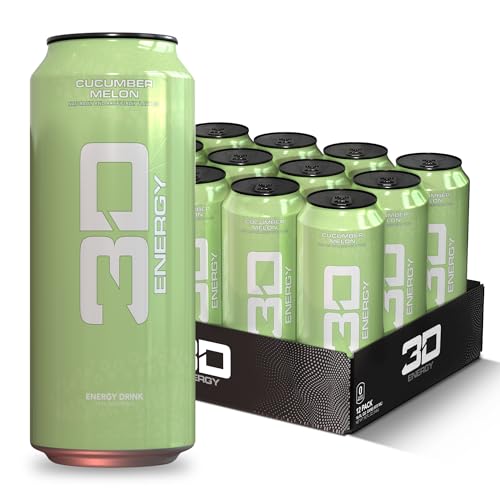


3D Watermelon Grape Energy Drink
Analysis updated August 2026 · How Scout scores
At a glance
Summary
This energy drink contains artificial sweeteners like sucralose and acesulfame potassium, which are highly processed and may have potential health concerns. It also includes preservatives such as sodium benzoate and potassium sorbate, which are synthetic additives. However, the drink benefits from functional ingredients like L-Carnitine and B-vitamins, which support energy metabolism and cognitive function. The absence of added sugars is a positive aspect, but the overall formulation still reflects a high level of processing.
Key ingredients 14
NiacinGood
Niacin, or vitamin B3, is essential for energy metabolism and DNA repair. It is beneficial for maintaining healthy skin and nerves. It can also help lower cholesterol levels.
Risks
High doses may cause flushing and liver damage.
Benefits
Supports energy metabolism and cardiovascular health.
L-Carnitine TartrateGood
L-Carnitine is an amino acid derivative that plays a role in energy production. It is often used in supplements to enhance athletic performance and recovery. It may also support heart health.
Risks
High doses may cause gastrointestinal discomfort.
Benefits
May improve exercise performance and support heart health.
TaurineGood
Taurine is an amino acid that supports neurological development and regulates water and mineral levels in the blood. It is often included in energy drinks for its potential to enhance mental and physical performance. It may also have antioxidant properties.
Benefits
Supports neurological function and may enhance performance.
PyridoxineGood
Pyridoxine, or vitamin B6, is crucial for protein metabolism and cognitive development. It supports immune function and brain health. Adequate intake is essential for overall well-being.
Risks
High doses may cause nerve damage.
Benefits
Supports brain health and immune function.
CobalaminGood
Cobalamin, or vitamin B12, is essential for red blood cell formation and neurological function. It is crucial for DNA synthesis and energy production. Deficiency can lead to anemia and neurological issues.
Benefits
Supports energy production and neurological health.
CarbonateNeutral
Carbonate is used to provide effervescence in beverages. It is generally considered neutral in terms of health impact. It does not provide any nutritional benefits or significant health risks.
See more about Carbonate →Malic AcidNeutral
Malic acid is a naturally occurring acid found in fruits, used to enhance flavor. It is generally recognized as safe and does not pose significant health risks. It can improve the taste profile of beverages without adding calories.
Benefits
May enhance flavor and improve palatability of the beverage.
Citric AcidNeutral
Citric acid is a common food additive used for flavoring and as a preservative. It is naturally found in citrus fruits and is generally safe for consumption. It helps to preserve the freshness and enhance the flavor of the drink.
Risks
Excessive consumption may lead to dental erosion.
Benefits
Helps preserve the product and enhance its flavor.
Calcium PantothenateNeutral
Calcium pantothenate is a form of vitamin B5, essential for synthesizing coenzyme A. It is generally safe and supports energy metabolism. It is included in supplements to ensure adequate intake.
Benefits
Supports energy metabolism and overall health.
Natural FlavorsBad
Natural flavors are a catch-all term for flavoring agents derived from natural sources. The lack of transparency in their composition can be concerning. They may contain a variety of compounds, some of which could be allergenic or undesirable.
Risks
Potential allergenic compounds and lack of transparency in ingredient composition.
Benefits
Enhances the flavor profile of the beverage.
SucraloseBad
Sucralose is an artificial sweetener used to provide sweetness without calories. It is highly processed and may affect gut health negatively. Some studies suggest it may alter glucose and insulin levels.
Risks
May affect gut microbiota and glucose metabolism.
Benefits
Provides sweetness without adding calories.
Anhydrous Potassium SorbateBad
Potassium sorbate is a preservative used to inhibit mold and yeast growth. While generally recognized as safe, it is a synthetic additive. Overconsumption may lead to allergic reactions in sensitive individuals.
Risks
Potential for allergic reactions in sensitive individuals.
Benefits
Extends shelf life by preventing microbial growth.
Sodium BenzoateBad
Sodium benzoate is a preservative that prevents spoilage. It can form benzene, a carcinogen, when combined with vitamin C. Its use is controversial due to potential health risks.
Risks
Potential formation of benzene, a known carcinogen, when combined with vitamin C.
Benefits
Prevents spoilage and extends shelf life.
Acesulfame PotassiumBad
Acesulfame potassium is an artificial sweetener used to provide sweetness without calories. It is highly processed and may have potential health concerns. Some studies suggest it may affect metabolic processes.
Risks
Potential metabolic effects and concerns over long-term safety.
Benefits
Provides sweetness without adding calories.
Processing
Ultra-Processed Foods
Get the full breakdown in the Scout appTake Scout shopping
Scan any product to see lab results, healthy alternatives, and your personalized analysis.
Download on theApp Store GET IT ONGoogle PlayAmazon pricing & content
Amazon price as of . Product prices and availability are accurate as of the date/time indicated and are subject to change. Any price and availability information displayed on Amazon.com at the time of purchase will apply to the purchase of this product.
CERTAIN CONTENT THAT APPEARS ON THIS SITE COMES FROM AMAZON. THIS CONTENT IS PROVIDED “AS IS” AND IS SUBJECT TO CHANGE OR REMOVAL AT ANY TIME.