
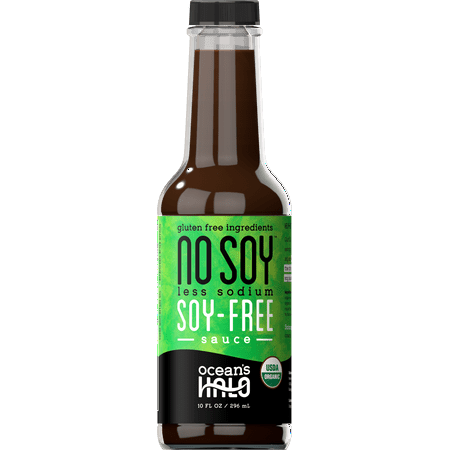


NO SOY LESS SODIUM SOY-FREE SAUCE, NO SOY
Analysis updated August 2026 · How Scout scores
At a glance
Summary
This soy-free sauce is ultra-processed, which limits its potential health score. While it contains beneficial ingredients like organic apple cider vinegar and lime juice, the presence of 'natural flavor' as a non-transparent additive is a concern. The product's processing level and the inclusion of such additives prevent it from achieving a higher score.
Key ingredients 11
Sea SaltGood
Sea salt is a minimally processed source of sodium and trace minerals. It is often preferred over refined table salt due to its natural mineral content. Its use can enhance flavor while providing essential electrolytes.
Risks
Excessive consumption can lead to high blood pressure and other cardiovascular issues.
Benefits
Provides essential electrolytes and trace minerals that support various bodily functions.
Organic Apple Cider VinegarGood
Organic apple cider vinegar is known for its potential health benefits, including aiding digestion and having antimicrobial properties. It is made from fermented apple juice, retaining beneficial compounds. Its acidity can enhance flavor and act as a preservative.
Risks
Excessive consumption may lead to tooth enamel erosion and digestive discomfort.
Benefits
May aid in digestion and provide antimicrobial benefits due to its acetic acid content.
Organic Lime JuiceGood
Organic lime juice is a natural source of vitamin C and antioxidants. It is derived from fresh limes, providing a tart flavor and potential health benefits. Its acidity can enhance flavor and act as a natural preservative.
Benefits
Rich in vitamin C and antioxidants, supporting immune function and skin health.
WaterNeutral
Water is a neutral ingredient used as a base or solvent in many food products. It does not contribute any nutritional value or health risks. Its presence is essential for consistency and texture.
See more about Water →Organic MolassesNeutral
Organic molasses is a natural sweetener derived from sugarcane or sugar beets. It contains some vitamins and minerals, but its high sugar content can be a concern. It is less processed than refined sugars, retaining more nutrients.
Risks
High sugar content may contribute to increased blood sugar levels if consumed in excess.
Benefits
Contains small amounts of vitamins and minerals such as iron, calcium, and magnesium.
Organic Cultured DextroseNeutral
Organic cultured dextrose is used as a natural preservative and flavor enhancer. It is produced through the fermentation of dextrose, a simple sugar. While it is less processed than artificial preservatives, it still contributes to sugar intake.
Risks
May contribute to increased blood sugar levels if consumed in excess.
Benefits
Acts as a natural preservative, extending the shelf life of products without artificial additives.
Organic MaltodextrinNeutral
Organic maltodextrin is a carbohydrate derived from starch, used as a thickener or filler. It is less processed than conventional maltodextrin due to its organic certification. It provides quick energy but lacks significant nutritional value.
Risks
May cause spikes in blood sugar levels due to its high glycemic index.
Benefits
Provides a quick source of energy and improves texture in food products.
Organic KelpNeutral
Organic kelp is a type of seaweed rich in iodine and other trace minerals. It is harvested from the ocean and used for its nutritional benefits. While beneficial in small amounts, excessive iodine intake can be harmful.
Risks
Excessive iodine intake may affect thyroid function.
Benefits
Provides iodine and trace minerals that support thyroid health and metabolism.
Organic MushroomsNeutral
Organic mushrooms are a source of vitamins, minerals, and antioxidants. They are cultivated without synthetic pesticides, enhancing their nutritional profile. Their umami flavor can enhance the taste of dishes.
Benefits
Rich in antioxidants and nutrients that support immune health and overall wellness.
Fruit And Vegetable JuiceNeutral
Fruit and vegetable juice is used for natural coloring and flavoring. It is derived from whole fruits and vegetables, retaining some nutrients. However, its contribution to overall nutrition is minimal in small quantities.
Benefits
Provides natural color and flavor without artificial additives.
Natural FlavorBad
Natural flavor is a catch-all term for flavoring agents derived from natural sources. It lacks transparency, making it difficult to assess its health impact. The processing and source of these flavors can vary widely.
Risks
Potential allergens or sensitivities may be present due to undisclosed ingredients.
Benefits
Enhances the flavor profile of products without adding calories.
Processing
Ultra-Processed Foods
Get the full breakdown in the Scout appTake Scout shopping
Scan any product to see lab results, healthy alternatives, and your personalized analysis.
Download on theApp Store GET IT ONGoogle Play