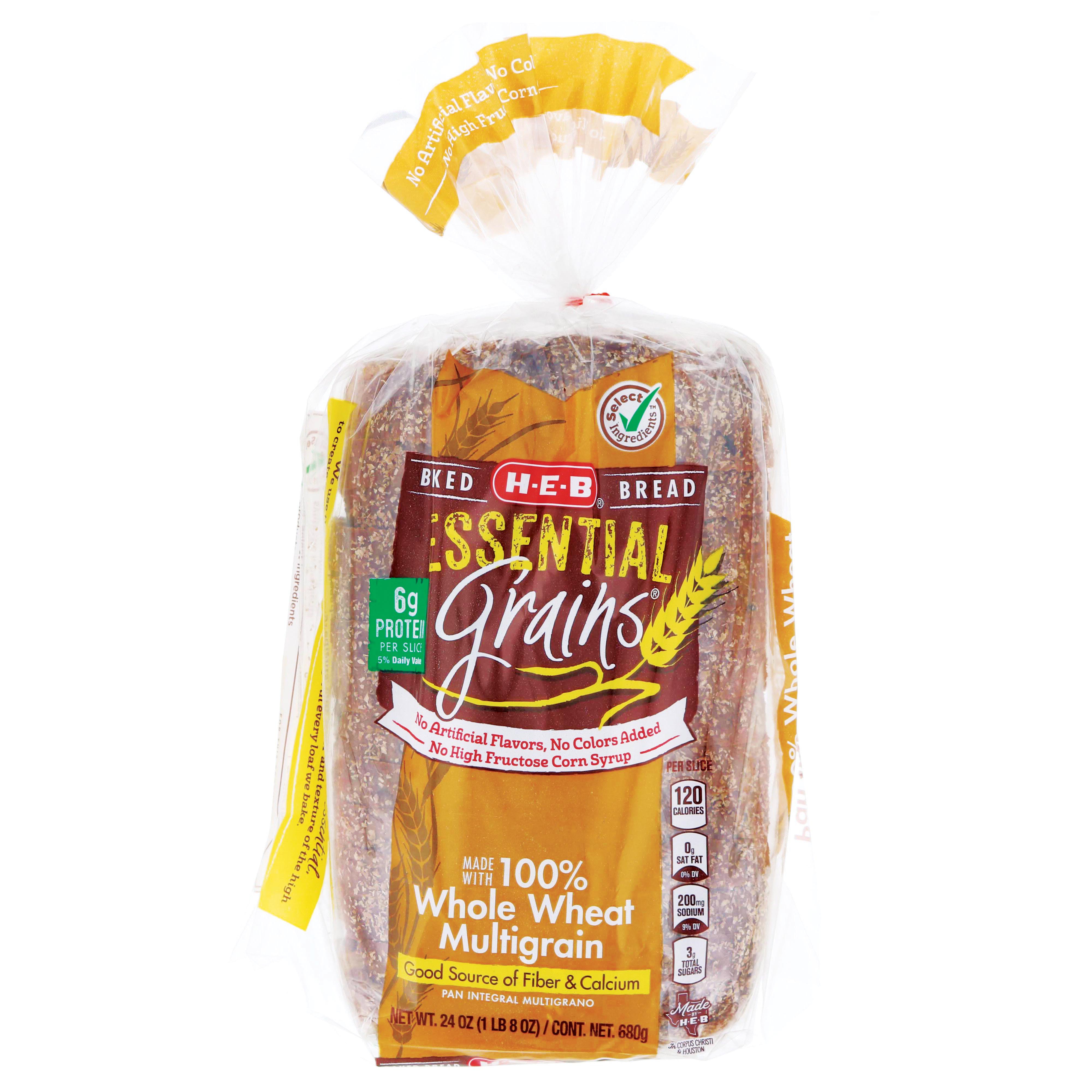
Sourdough Whole Wheat

At a glance
Summary
This sourdough whole wheat bread is made with high-quality ingredients such as organic whole wheat flour, rye flour, and sea salt, which contribute to its nutritional value and flavor. The absence of harmful additives and the use of organic ingredients enhance its health profile. However, as a processed food, its score is capped due to the level of processing involved.
Key ingredients 7
Organic Whole Wheat FlourVery Good
Organic whole wheat flour is a high-quality source of complex carbohydrates and fiber. Being organic, it is free from synthetic pesticides and fertilizers, enhancing its nutritional profile. It provides essential nutrients like B vitamins and minerals.
Benefits
Rich in dietary fiber, which supports digestive health and helps maintain stable blood sugar levels. Provides essential nutrients and antioxidants.
Rye FlourGood
Rye flour is a nutritious grain flour that adds flavor and texture to bread. It contains more fiber and nutrients compared to refined wheat flour. Rye flour is known for its ability to improve digestive health.
Risks
May cause allergic reactions in individuals with rye or gluten sensitivities.
Benefits
Rich in dietary fiber, which aids digestion and promotes a feeling of fullness. Contains essential nutrients like magnesium and phosphorus.
Sea SaltGood
Sea salt is a natural source of sodium and trace minerals. It is less processed than regular table salt, retaining more of its natural mineral content. It enhances the flavor of the bread without the need for artificial additives.
Risks
Excessive consumption of sodium can lead to high blood pressure and cardiovascular issues.
Benefits
Provides essential sodium and trace minerals that are important for maintaining fluid balance and nerve function.
Malted Barley FlourGood
Malted barley flour is used to enhance flavor and improve the fermentation process in bread. It contains enzymes that help break down starches into sugars, aiding yeast activity. It also adds a subtle sweetness and nutritional benefits.
Risks
May cause allergic reactions in individuals with barley or gluten sensitivities.
Benefits
Enhances flavor and provides enzymes that improve dough fermentation. Adds nutritional value with vitamins and minerals.
WaterNeutral
Water is a neutral ingredient used as a solvent and to provide moisture in the dough. It does not contribute any calories or nutrients. It is essential for the hydration and activation of flour components.
See more about Water →Wheat FlourNeutral
Wheat flour is a common ingredient in bread, providing structure and texture. It is a source of carbohydrates and some protein. However, it lacks the fiber and nutrients found in whole wheat flour.
Risks
May cause allergic reactions in individuals with wheat or gluten sensitivities.
Benefits
Provides carbohydrates for energy and some protein for muscle maintenance.
EnzymesNeutral
Enzymes are used in bread-making to improve dough handling and texture. They are naturally occurring proteins that catalyze biochemical reactions. Enzymes are typically used in small amounts and do not have significant nutritional impact.
Benefits
Improves the texture and shelf-life of bread without the need for chemical additives.
Processing
Processed Foods
Get the full breakdown in the Scout appTake Scout shopping
Scan any product to see lab results, healthy alternatives, and your personalized analysis.
Are you Zak the Baker? Fix an error Get the badge Get tested