



At a glance
Summary
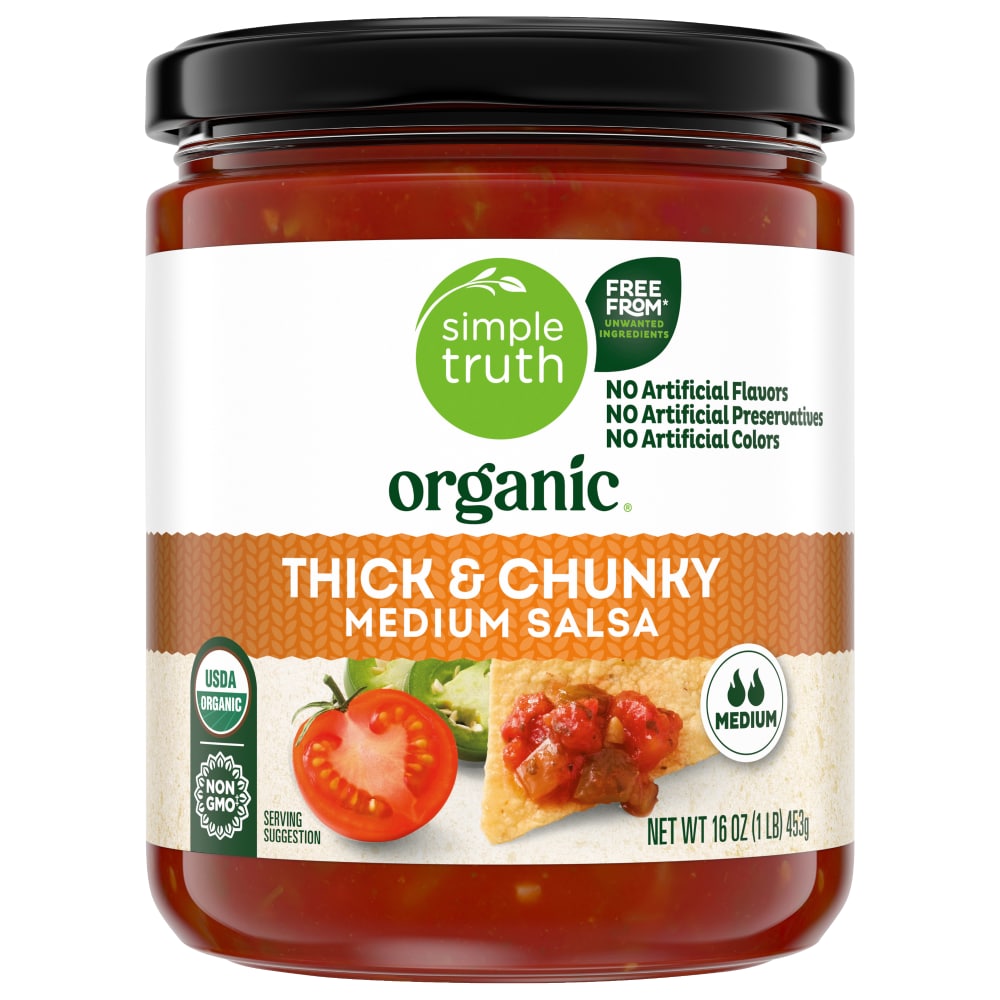
The salsa contains a variety of organic ingredients like tomatoes, jalapeño peppers, and cilantro, which are beneficial for health due to their vitamins and antioxidants. However, the inclusion of synthetic preservatives such as potassium sorbate and sodium benzoate contributes to a higher processing level, which limits the overall healthiness of the product. Despite the organic components, these preservatives indicate a processed nature that affects the score.
Key ingredients 11
Organic TomatoesVery Good
Organic tomatoes are a rich source of vitamins and antioxidants, particularly lycopene. Being organic, they are grown without synthetic pesticides or fertilizers, enhancing their nutritional profile. They contribute to heart health and may reduce cancer risk.
Benefits
Rich in vitamins A and C, and lycopene, which is linked to reduced risk of heart disease and cancer.
Organic Tomato JuiceGood
Organic tomato juice provides hydration and nutrients like vitamin C and potassium. The organic certification ensures it is free from synthetic additives. It supports immune function and cardiovascular health.
Benefits
Provides hydration and essential nutrients like vitamin C and potassium, supporting immune and heart health.
Organic Jalapeño PeppersGood
Organic jalapeño peppers add flavor and capsaicin, which may boost metabolism. Being organic, they are free from synthetic pesticides. They also provide vitamin C and antioxidants.
Risks
May cause digestive discomfort in sensitive individuals.
Benefits
Contains capsaicin, which may enhance metabolism and provide anti-inflammatory benefits.
OnionsGood
Onions are a natural source of antioxidants and sulfur compounds. They support heart health and have anti-inflammatory properties. They are a staple in many cuisines for their flavor and health benefits.
Risks
May cause digestive discomfort in some individuals.
Benefits
Rich in antioxidants and sulfur compounds that support heart health and have anti-inflammatory effects.
CilantroGood
Cilantro is an herb rich in antioxidants and vitamins A and K. It may help in detoxification and has antimicrobial properties. It adds flavor and nutritional value to dishes.
Benefits
Provides antioxidants and vitamins, supporting detoxification and offering antimicrobial benefits.
Sea SaltGood
Sea salt is a natural source of sodium and trace minerals. It is less processed than table salt, retaining more minerals. It enhances flavor and provides essential electrolytes.
Risks
Excessive sodium intake can lead to hypertension.
Benefits
Provides essential electrolytes and trace minerals, supporting hydration and nerve function.
GarlicGood
Garlic is known for its health benefits, including cardiovascular support and immune boosting properties. It contains allicin, which has antimicrobial and antioxidant effects. It is a flavorful addition to many dishes.
Risks
May cause digestive discomfort in some individuals.
Benefits
Contains allicin, which supports cardiovascular health and has antimicrobial properties.
Calcium ChlorideNeutral
Calcium chloride is used as a firming agent in canned vegetables. It is generally recognized as safe when used in small amounts. It does not significantly impact the nutritional value of the product.
Risks
Excessive consumption may lead to hypercalcemia, but this is unlikely in typical food use.
VinegarNeutral
Vinegar is used as a preservative and flavor enhancer. It is a natural product with minimal processing. It does not significantly alter the nutritional profile of the product.
Risks
Excessive consumption may lead to digestive discomfort.
Potassium SorbateBad
Potassium sorbate is a preservative used to inhibit mold and yeast growth. It is synthetically produced and may cause allergic reactions in sensitive individuals. It is generally recognized as safe in small amounts but adds to the processed nature of the product.
Risks
May cause allergic reactions or skin irritation in sensitive individuals.
Sodium BenzoateBad
Sodium benzoate is a preservative that prevents microbial growth. It is synthetically produced and can form benzene, a carcinogen, under certain conditions. Its presence indicates a higher level of processing.
Risks
Potential to form benzene, a carcinogen, when combined with vitamin C under certain conditions.
Processing
Processed Foods
Get the full breakdown in the Scout appTake Scout shopping
Scan any product to see lab results, healthy alternatives, and your personalized analysis.
Download on theApp Store GET IT ONGoogle Play