

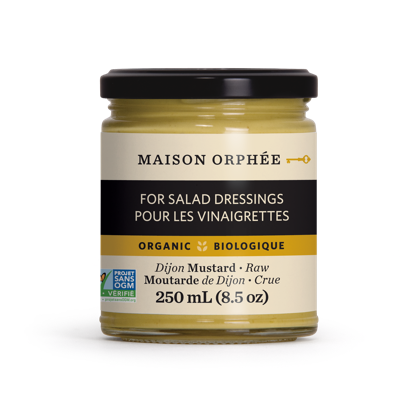


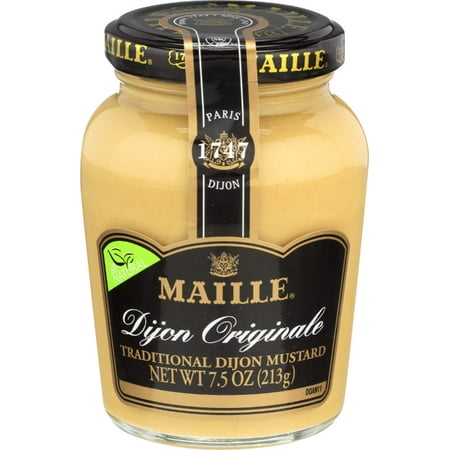
Bijan Mustardson Dijon Mustard
Analysis updated July 2026 · How Scout scores
At a glance
Summary
This Dijon mustard contains mostly natural ingredients like mustard seed and cider vinegar, which are beneficial and minimally processed. However, the presence of 'natural flavor' introduces some uncertainty due to its lack of transparency. The product is moderately processed, which limits its score despite the overall clean ingredient list.
Key ingredients 12
Mustard SeedGood
Mustard seed is a natural ingredient that provides flavor and potential health benefits. It contains compounds like glucosinolates which may have anti-inflammatory properties. It is minimally processed and retains its nutritional profile.
Risks
May cause allergic reactions in sensitive individuals.
Benefits
Rich in antioxidants and may support digestive health.
Cider VinegarGood
Cider vinegar is a fermented product that may offer health benefits due to its acetic acid content. It is less processed than distilled vinegar and retains some beneficial compounds. It can aid in digestion and has antimicrobial properties.
Risks
Excessive consumption may cause enamel erosion or digestive discomfort.
Benefits
May support digestive health and has antimicrobial properties.
Dehydrated OnionGood
Beneficial ingredient — whole-food or functional value in this product class.
Risks
May cause allergic reactions in sensitive individuals.
Benefits
Contains some antioxidants and vitamins, though in reduced amounts due to processing.
WaterNeutral
Water is a neutral ingredient used as a solvent and carrier in food products. It does not contribute any nutritional value but is essential for texture and consistency. It is a basic component with no health risks.
See more about Water →Distilled VinegarNeutral
Distilled vinegar is used for its acidic properties and flavor enhancement. It is a processed ingredient but generally considered safe in moderate amounts. It does not provide significant nutritional benefits.
Risks
Excessive consumption may lead to enamel erosion or digestive discomfort.
WineNeutral
Wine is used in small amounts for flavor enhancement in culinary applications. It is an alcoholic beverage that adds complexity to the taste profile. The alcohol content is typically reduced during cooking.
Risks
Contains alcohol, which may not be suitable for all individuals.
SaltNeutral
Salt is used for flavor enhancement and preservation in food products. It is a refined ingredient that provides sodium, an essential mineral. However, excessive intake can lead to health issues.
Risks
High sodium intake can increase the risk of hypertension and cardiovascular diseases.
Benefits
Provides essential sodium for bodily functions.
Citric AcidNeutral
Citric acid is a natural preservative and flavor enhancer found in citrus fruits. It is widely used in food processing for its acidic properties. It is generally recognized as safe when consumed in moderate amounts.
Risks
Excessive consumption may cause digestive discomfort or tooth enamel erosion.
Benefits
May act as an antioxidant and support metabolic processes.
Dehydrated GarlicNeutral
Dehydrated garlic is used for flavor and aroma in food products. It is a processed form of garlic that retains some beneficial compounds. It is generally considered safe and adds depth to the flavor profile.
Risks
May cause allergic reactions in sensitive individuals.
Benefits
Contains some antioxidants and vitamins, though in reduced amounts due to processing.
Tartaric AcidNeutral
Tartaric acid is a naturally occurring acid used as a stabilizer and flavor enhancer. It is commonly found in grapes and used in winemaking. It is generally recognized as safe in food applications.
Risks
Excessive consumption may cause digestive discomfort.
Benefits
May have antioxidant properties and support digestive health.
Brown SugarBad
Processed additive flagged under Scout's ingredient doctrine.
Risks
High consumption can contribute to weight gain and metabolic issues.
Natural FlavorBad
Natural flavor is a catch-all term for flavoring agents derived from natural sources. It lacks transparency and can include a wide range of substances. The lack of specificity makes it difficult to assess health impacts.
Risks
Potential for undisclosed allergens or additives.
Processing
Processed Foods
Get the full breakdown in the Scout appTake Scout shopping
Scan any product to see lab results, healthy alternatives, and your personalized analysis.
Download on theApp Store GET IT ONGoogle PlayAmazon pricing & content
Amazon price as of . Product prices and availability are accurate as of the date/time indicated and are subject to change. Any price and availability information displayed on Amazon.com at the time of purchase will apply to the purchase of this product.
CERTAIN CONTENT THAT APPEARS ON THIS SITE COMES FROM AMAZON. THIS CONTENT IS PROVIDED “AS IS” AND IS SUBJECT TO CHANGE OR REMOVAL AT ANY TIME.