

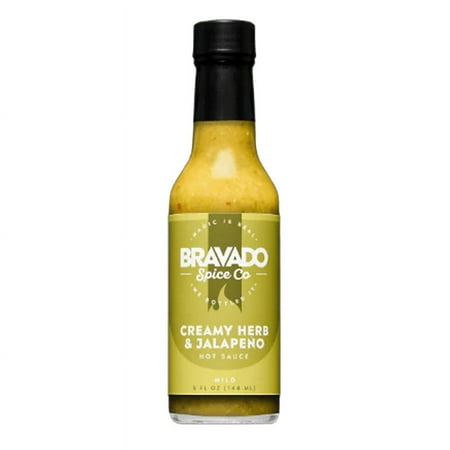


At a glance
Summary
This product contains several beneficial ingredients such as jalapeño peppers, garlic, cilantro, and avocado oil, which contribute to its nutritional value and flavor. However, the presence of non-GMO canola oil, a highly processed seed oil, detracts from its overall healthiness due to its inflammatory omega-6 fatty acid profile. The product's processing level also limits its potential score, despite the inclusion of some high-quality ingredients.
Key ingredients 10
Jalapeño PeppersGood
Jalapeño peppers are a source of vitamins A and C, and capsaicin, which may have anti-inflammatory properties. They are minimally processed and retain their natural nutrients. Their spicy flavor can enhance the taste of dishes without added calories.
Risks
Some individuals may experience digestive discomfort or irritation from spicy foods.
Benefits
Rich in vitamins and capsaicin, which may support metabolism and provide antioxidant benefits.
GarlicGood
Garlic is known for its potential cardiovascular benefits and immune-boosting properties. It contains allicin, which may help reduce blood pressure and cholesterol levels. It is a natural ingredient with minimal processing.
Risks
Excessive consumption may cause digestive discomfort in some individuals.
Benefits
Contains compounds that may support heart health and enhance immune function.
CilantroGood
Cilantro is a fresh herb that provides vitamins A, C, and K, and may have detoxifying properties. It is minimally processed and adds flavor without calories. Its antioxidants may support overall health.
Benefits
Rich in vitamins and antioxidants, supporting detoxification and overall health.
Sea SaltGood
Sea salt is a minimally processed salt that retains trace minerals, which can be beneficial for health. It is a natural source of sodium and is often preferred for its flavor. It is less refined than table salt, preserving its mineral content.
Risks
Excessive sodium intake can lead to hypertension and cardiovascular issues.
Benefits
Provides trace minerals and a natural source of sodium.
LimeGood
Lime is a citrus fruit rich in vitamin C and antioxidants, supporting immune health. It is minimally processed and adds a refreshing flavor to foods. Its acidity can enhance the absorption of certain nutrients.
Benefits
High in vitamin C and antioxidants, supporting immune function and nutrient absorption.
Avocado OilGood
Avocado oil is a healthy fat rich in monounsaturated fats, which support heart health. It is cold-pressed, preserving its beneficial compounds. It is a high-quality oil with anti-inflammatory properties.
Benefits
Rich in monounsaturated fats and antioxidants, supporting heart health and reducing inflammation.
Kosher SaltNeutral
Kosher salt is a refined salt commonly used in cooking for its texture and flavor. It lacks the trace minerals found in unrefined salts. It is a basic culinary ingredient with no significant health benefits.
Risks
Excessive sodium intake can lead to hypertension and cardiovascular issues.
Vegetable OilNeutral
Vegetable oil is a generic term that can include various oils, often high in omega-6 fatty acids. It is typically refined and lacks significant nutritional benefits. Its health impact depends on the specific oils used.
Risks
May contribute to inflammation if high in omega-6 fatty acids.
WaterNeutral
Water is a basic ingredient used to adjust consistency and is essential for hydration. It is a neutral ingredient with no direct nutritional impact. It is often used as a solvent or carrier in food products.
Benefits
Essential for hydration and used to adjust product consistency.
Non-GMO Canola OilVery Bad
Canola oil is a seed oil high in omega-6 fatty acids, which can promote inflammation when consumed in excess. It is often highly processed, involving chemical extraction methods. Despite being non-GMO, it still poses health concerns due to its fatty acid profile.
Risks
High omega-6 content may promote inflammation when consumed in excess.
Processing
Processed Foods
Get the full breakdown in the Scout appTake Scout shopping
Scan any product to see lab results, healthy alternatives, and your personalized analysis.
Download on theApp Store GET IT ONGoogle PlayAmazon pricing & content
CERTAIN CONTENT THAT APPEARS ON THIS SITE COMES FROM AMAZON. THIS CONTENT IS PROVIDED “AS IS” AND IS SUBJECT TO CHANGE OR REMOVAL AT ANY TIME.