

Mexican Street Corn
Analysis updated September 2026 · How Scout scores
At a glance
Summary
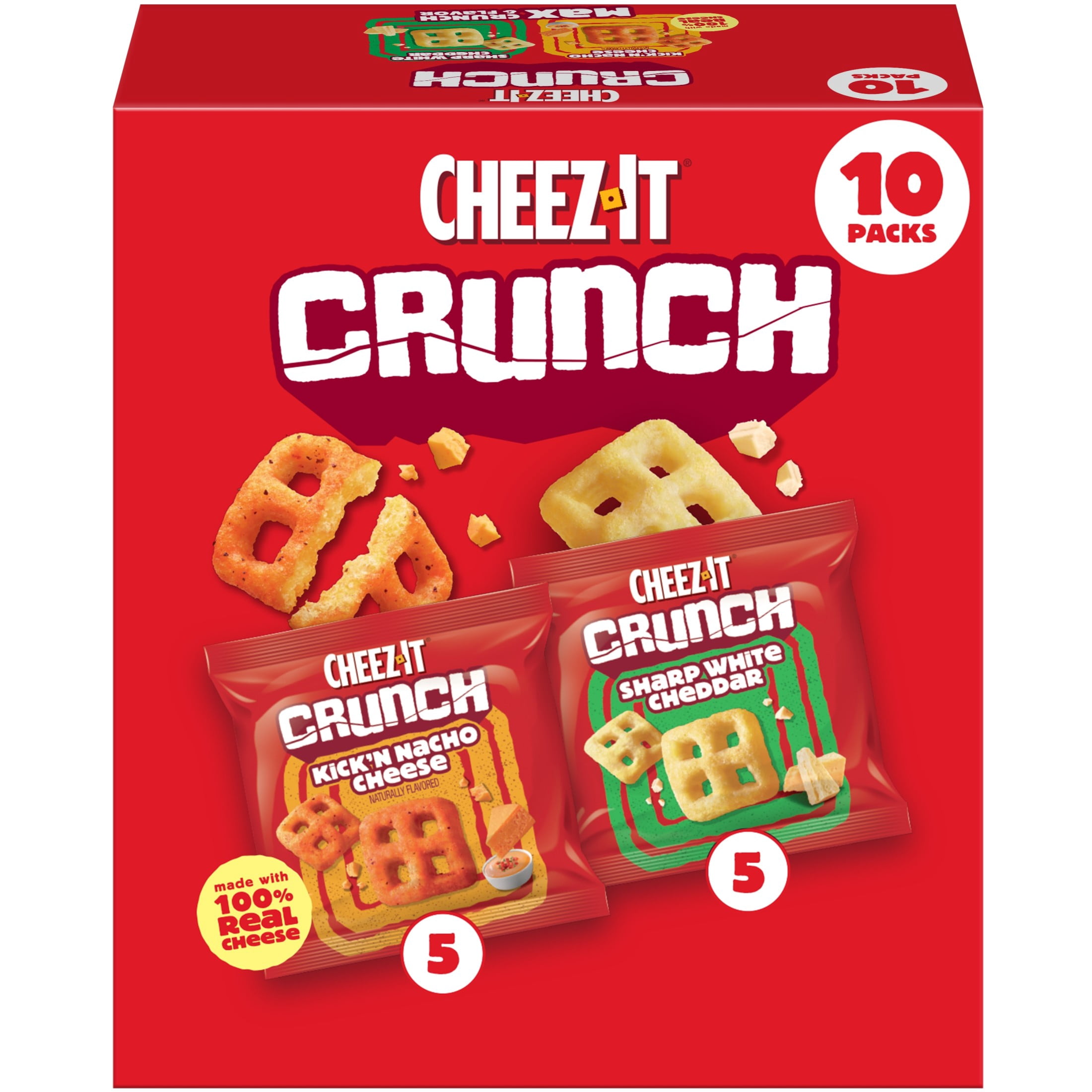
This product contains several beneficial ingredients such as whole grain yellow cornmeal, sesame seeds, and olive oil, which contribute to its nutritional value. The use of minimally processed ingredients like flax seeds and oat fiber further enhances its health profile. However, as a processed food, it is subject to a score cap, and the presence of organic cane sugar slightly detracts from its overall healthiness.
Key ingredients 8
Olive OilVery Good
Olive oil is a high-quality monounsaturated fat with anti-inflammatory properties. It contains antioxidants that support heart health and is often cold-pressed to preserve beneficial compounds. It is a staple in the Mediterranean diet, known for its health benefits.
Benefits
Rich in monounsaturated fats that support heart health and provide anti-inflammatory properties. Contains antioxidants like vitamin E and polyphenols that may reduce oxidative stress.
Flax SeedsVery Good
Flax seeds are a rich source of omega-3 fatty acids, fiber, and lignans, which have various health benefits. They are minimally processed and provide anti-inflammatory and antioxidant properties. They are often used to improve digestive health and support heart health.
Benefits
Rich in omega-3 fatty acids and fiber, supporting heart and digestive health. Contains lignans that may have antioxidant properties.
Brown Rice FlourGood
Brown rice flour is a whole grain flour that retains the bran and germ, providing fiber and essential nutrients. It is less processed than refined flours, maintaining more of its natural nutritional profile. It is a gluten-free alternative to wheat flour, suitable for those with gluten sensitivities.
Benefits
Provides dietary fiber and essential nutrients such as magnesium and phosphorus. Suitable for gluten-free diets.
Whole Grain Yellow CornmealGood
Whole grain yellow cornmeal is made from whole corn kernels, preserving the fiber and nutrients. It is a minimally processed ingredient that provides complex carbohydrates and essential vitamins. It is a staple in many traditional diets and offers a good source of energy.
Benefits
Rich in fiber and essential nutrients like B vitamins and iron. Provides a source of complex carbohydrates for sustained energy.
Sesame SeedsGood
Sesame seeds are nutrient-dense seeds rich in healthy fats, protein, and minerals. They are minimally processed and provide antioxidants and anti-inflammatory compounds. They are a versatile ingredient used in various cuisines for flavor and nutrition.
Risks
Potential allergen for some individuals.
Benefits
Rich in healthy fats, protein, and minerals like calcium and magnesium. Contains antioxidants that may support heart health.
Oat FiberGood
Oat fiber is derived from the outer husk of oats and is a concentrated source of dietary fiber. It is minimally processed and helps improve digestive health by promoting regularity. It is often used to increase fiber content in foods without adding calories.
Benefits
Provides a high fiber content that supports digestive health and helps maintain healthy cholesterol levels.
Potato StarchNeutral
Potato starch is a refined starch extracted from potatoes, used as a thickening agent. It is highly processed and lacks significant nutritional value. It is gluten-free and often used in gluten-free baking.
Benefits
Provides a gluten-free thickening option for various recipes.
Organic Cane SugarBad
Processed additive flagged under Scout's ingredient doctrine.
Risks
Excessive consumption of added sugars can lead to health issues such as obesity and diabetes.
Benefits
Provides a natural sweetener option with minimal processing compared to refined white sugar.
Processing
Processed Foods
Get the full breakdown in the Scout appTake Scout shopping
Scan any product to see lab results, healthy alternatives, and your personalized analysis.
Download on theApp Store GET IT ONGoogle Play