


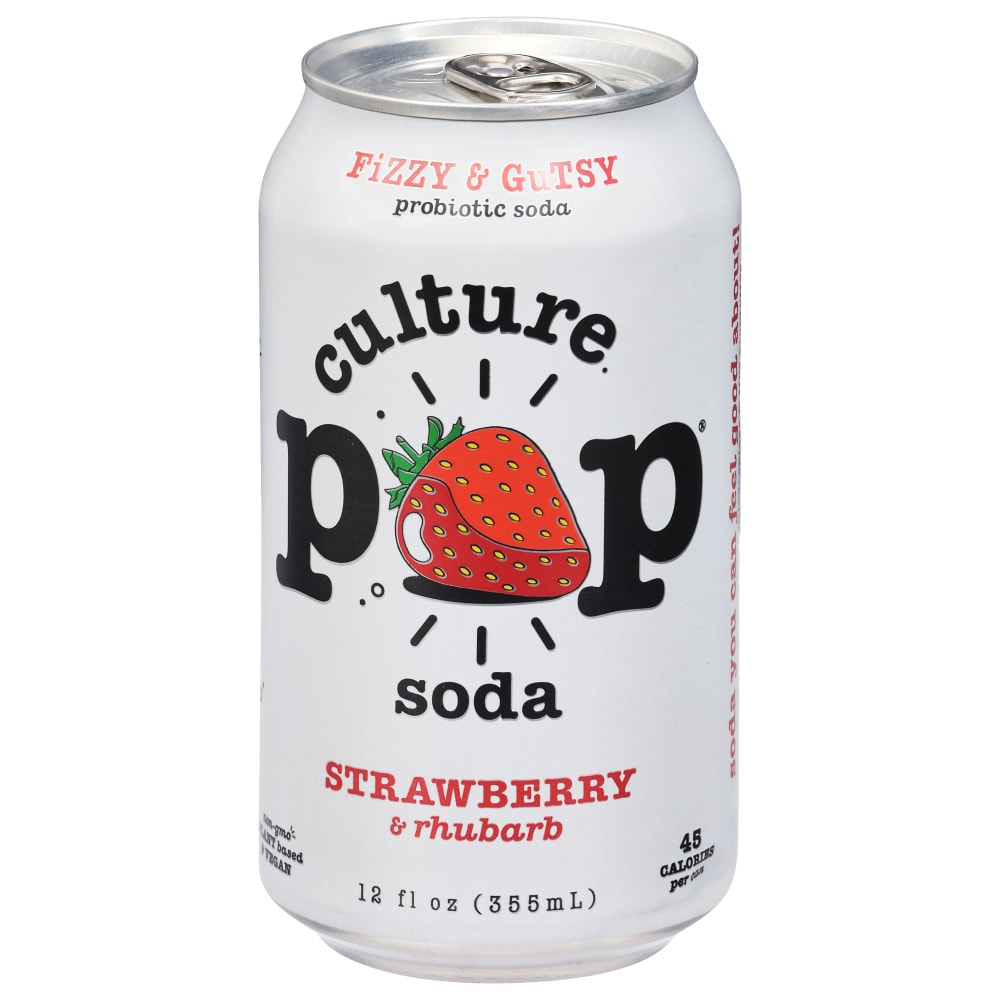
At a glance
Summary
This product contains a high amount of added cane sugar, which is a refined ingredient contributing to excessive caloric intake without nutritional benefits. Despite the presence of beneficial ingredients like strawberries and rhubarb, which offer vitamins and fiber, the product is classified as ultra-processed due to its high sugar content and processing level. The use of minimal additives is a positive aspect, but the overall processing and sugar concentration limit its healthiness.
Key ingredients 5
StrawberriesGood
Strawberries are a rich source of vitamins, antioxidants, and dietary fiber. They are minimally processed and provide natural sweetness and flavor. Their high vitamin C content supports immune function and skin health.
Benefits
Rich in antioxidants and vitamin C, which support immune health and reduce oxidative stress.
RhubarbGood
Rhubarb is a low-calorie vegetable that provides dietary fiber and vitamin K. It is typically used in its natural form, adding tartness and nutritional value. Its fiber content aids digestion and promotes gut health.
Risks
Contains oxalic acid, which can be harmful in large amounts, but is generally safe when consumed in moderation.
Benefits
Provides dietary fiber and vitamin K, supporting digestive health and bone strength.
PectinNeutral
Pectin is a natural gelling agent derived from fruits, used to thicken and stabilize products. It is minimally processed and generally considered safe. It can aid in digestion by acting as a soluble fiber.
Benefits
Acts as a soluble fiber, which can aid in digestion and improve gut health.
Citric acidNeutral
Citric acid is a natural preservative and flavor enhancer found in citrus fruits. It is widely used in food processing for its ability to enhance flavor and preserve freshness. It is generally recognized as safe when used in food products.
Benefits
Enhances flavor and acts as a preservative, extending the shelf life of food products.
Cane sugarBad
Cane sugar is a refined sugar that contributes to high caloric intake without providing essential nutrients. It is heavily processed and can lead to health issues like obesity and diabetes when consumed in excess. Its high glycemic index can cause rapid spikes in blood sugar levels.
Risks
Excessive consumption can lead to obesity, diabetes, and other metabolic disorders.
Processing
Ultra-Processed Foods
Get the full breakdown in the Scout appTake Scout shopping
Scan any product to see lab results, healthy alternatives, and your personalized analysis.
Download on theApp Store GET IT ONGoogle Play